Appliance Repair vs Replace: Compare the Full Household Cost
Deciding whether to repair or replace an appliance? Compare the written repair estimate, replacement setup costs, expected use, and cash-flow timing before you commit.
Topic
289 guides to help you understand the essentials and make a more confident next move.
Deciding whether to repair or replace an appliance? Compare the written repair estimate, replacement setup costs, expected use, and cash-flow timing before you commit.
An urgent vet bill can involve a deposit, tests, treatment, and follow-up. Ask for a written estimate, map payment timing, and protect essential bills while you care for your pet.

Build a one-person grocery budget around the meals you will actually eat. Compare usable portions, shop in small rounds, and keep food waste from quietly raising your costs.

Build a vehicle registration renewal budget around the official amount, required steps, and your paydays so an irregular driving cost does not crowd out essential bills.

Lost house keys can lead to access, replacement, and security costs. Use this checklist to compare safe options, confirm charges, and protect your next bills.
A missing package can leave you paying twice. Verify the delivery, document the order, protect essential spending, and track any replacement or refund without guessing.

A delayed luggage budget helps you report the missing bag, cap essential purchases, save receipts, and protect your trip cash flow while a claim is unresolved.

Build a hearing aid budget that accounts for assessment, device quotes, fitting visits, supplies, repairs, and payment timing before you commit.

A car breakdown can create several bills at once. Use this cost plan to check roadside coverage, compare a written repair estimate, and protect your next pay cycle.

A home pest control budget covers inspection, the treatment you agree to, preparation, and follow-up. Compare the full plan without paying for vague promises.

When home internet fails, plan for backup access, work needs, and bill timing. Use a simple outage budget to compare options and track any credit without assuming one.

A paycheck larger than expected? Check the pay statement, keep the unexplained amount separate, ask payroll specific questions, and plan for a possible correction.

Capitalized interest adds unpaid interest to a loan's principal. Learn how to spot it in your loan terms, check the math, and plan for the next payment.

A family photo session budget should cover the booking fee, images, prints, travel, outfits, and possible changes. Use this checklist to compare packages without surprise extras.
After a power outage, organize food, transport, charging, and replacement costs without losing sight of your next bills or assuming a reimbursement will arrive.
Ending a car lease? Map mileage, condition, final payments, return fees, and replacement transport before you decide what to do next.

Build a passport renewal budget that covers more than the application fee, with a simple timeline and cash-flow checklist before your next trip.

A jury duty budget helps you check pay, transport, meals, childcare, and bill timing before service disrupts your normal workweek.
A preorder budget helps you track deposits, later charges, shifting delivery dates, and cancellation terms before a future purchase crowds your bills.

If access to your bank account is restricted, verify the notice, map your next payments, and make a short cash-flow plan without assuming when access will return.

Use this utility bill error checklist to compare dates, meter readings, rates, and payments, then ask your provider clear questions without losing track of the due date.

A condo special assessment budget turns a building repair notice into a clear amount, due-date plan, and set of questions before you commit your cash.

Build a college application budget that covers verified fees, travel, documents, and deposits without confusing application costs with the later cost of attending.

Keep a required work credential from becoming a surprise bill. Build a professional license renewal budget around verified deadlines, total costs, and reimbursement timing.
Use this final utility bill checklist to time service changes, track last charges and deposits, and keep your move-out budget accurate until every account is settled.

Leaving a job? Use this final paycheck checklist to confirm pay dates and line items, track outstanding reimbursements, and budget until your next income arrives.
Before paying off a loan early, compare a dated payoff quote, any prepayment charge, remaining payments, and the cash your budget still needs.
Build a home inspection budget that covers the quoted visit, possible follow-up checks, and the cash-flow decisions a report may reveal.
Paid the same bill twice? Check whether both payments posted, protect upcoming bills, request the right correction, and reconcile your budget without guessing.
Compare annual and monthly insurance premium payments by total cost, fees, renewal timing, and the cash cushion you would need—not just the smaller bill.

A travel roaming budget compares your carrier pass, local SIM, eSIM, and Wi-Fi by total trip cost and practical coverage—not just the cheapest headline price.
Before returning an online purchase, compare the actual refund with return shipping, fees, packing, and timing. Use a simple checklist to protect your budget.

Split a restaurant bill by individual orders and shared items, agree on extras before paying, and track reimbursements without counting the meal twice.
Moving in partway through a month? Learn how to check a prorated rent quote, map the first two payments, and avoid double-counting move-in cash.

Taking a few unpaid days away from work? Map the affected paychecks, protect bills during the gap, and make a practical return-to-pay plan.

Overdraft protection can move money, extend credit, or allow a payment to go through at a cost. Use this checklist to compare coverage, fees, and cash-flow risks.
A paycheck advance can ease a bill due today while shrinking your next deposit. Compare the actual cost, repayment timing, and next pay-cycle budget before you use one.
A loan origination fee can change the cash you receive or the balance you owe. Use this practical checklist to compare offers and plan the first payment.

Build a work uniform budget that accounts for the first shift, laundry, replacement, and reimbursements without confusing a one-time purchase with an ongoing cost.

A renovation change order budget helps you weigh new work against cash on hand, payment timing, and the original plan before a project expands.

Changing the name on financial accounts? Make a practical update list, protect your pay and bills during the transition, and verify each account instead of assuming one change updates everything.

A mixed shopping receipt can hide where your money went. Learn a simple way to split a receipt into budget categories, handle discounts and refunds, and match the final card charge.
A bank account minimum balance can avoid a fee while tying up cash you need elsewhere. Compare the real rule, your cash flow, and alternatives before deciding.

A bill due date change can ease a tight pay cycle, but the transition matters. Use this checklist to ask, confirm the new date, and protect the next payment.

Build a school field trip budget from the permission slip, payment dates, food plan, and optional spending so one school day does not disrupt the month.

Build an appliance delivery and installation budget that includes access, setup, old-unit removal, and timing before choosing a replacement.

An airport transfer budget helps you compare trains, buses, shuttles, and rides after baggage, waiting, and last-mile costs—not just the first fare you see.
Compare pet insurance premiums, exclusions, deductibles, reimbursement rules, and cash-flow needs before deciding whether a policy fits your budget.

Use a coupon budget checklist to compare the final price, avoid extra purchases, and keep discounts from quietly stretching your grocery bill.
A pending bank transfer checklist for checking status, protecting upcoming bills, and keeping your budget accurate while money moves between accounts.

A temporary housing budget helps you compare short stays, manage overlapping home bills, and track cash flow while your usual place is unavailable.

Bought something just before a price drop? Use this price adjustment checklist to check eligibility, ask the seller clearly, and keep your budget accurate.

An automatic bill payment failed? Confirm what happened, avoid paying twice, protect your next bills, and build a simple follow-up routine.

A volunteer work budget covers travel, supplies, meals, childcare, and reimbursements so a meaningful commitment also fits your cash flow.

A utility budget billing plan can smooth monthly payments without lowering the total cost. Learn to compare the estimate, track the difference, and prepare for a true-up.
Learn to read a loan amortization schedule, separate principal from interest, and compare the payment plan with your real monthly budget.
Compare the full cost of renting, borrowing, or buying a tool for a home project, including pickup, supplies, repeat use, storage, and deposits.

Build a rental car budget that includes the booking, fuel, parking, optional extras, and temporary card holds so a low daily rate does not surprise you.

Build a college textbook budget from confirmed course requirements, compare usable formats, and plan for access codes, delivery, and return dates before buying.

A short paycheck plan helps you check a smaller-than-expected deposit, ask payroll clear questions, and cover the next bills without counting a correction before it arrives.

Build a library entertainment budget for books, media, and low-cost outings without paying for every new interest.

A roommate move-out budget helps you reconcile final utilities, shared purchases, pending charges, and repayments without treating an uncertain deposit as cash.

A second job budget compares take-home pay with travel, meals, care, and recovery time so you can decide whether extra shifts support your money goals.

A baggage fee budget helps you compare fares after carry-on, checked-bag, and return-trip costs instead of choosing a ticket by its headline price.

A meal kit budget helps you compare delivered recipes with your usual groceries after delivery fees, unused portions, pantry extras, and busy-week changes.

An apartment application budget helps you track screening fees, holding payments, and search costs while comparing rentals before any lease is signed.

A home energy upgrade budget helps you compare the upfront price, likely bill impact, maintenance, and payback of improvements without assuming every project saves money.

A freelance expense tracker can show what work really costs without mixing client purchases, personal spending, and payments you expect to get back.

A coworking space budget helps you compare day passes, memberships, travel, and actual usage before a flexible desk becomes a fixed bill.

A job interview travel budget helps you price transport, time away, and possible reimbursement before an in-person interview strains your cash flow.

A hotel authorization hold can reduce your available card balance before the final bill posts. Learn how to plan for the overlap, track releases, and avoid counting a hold as a second expense.
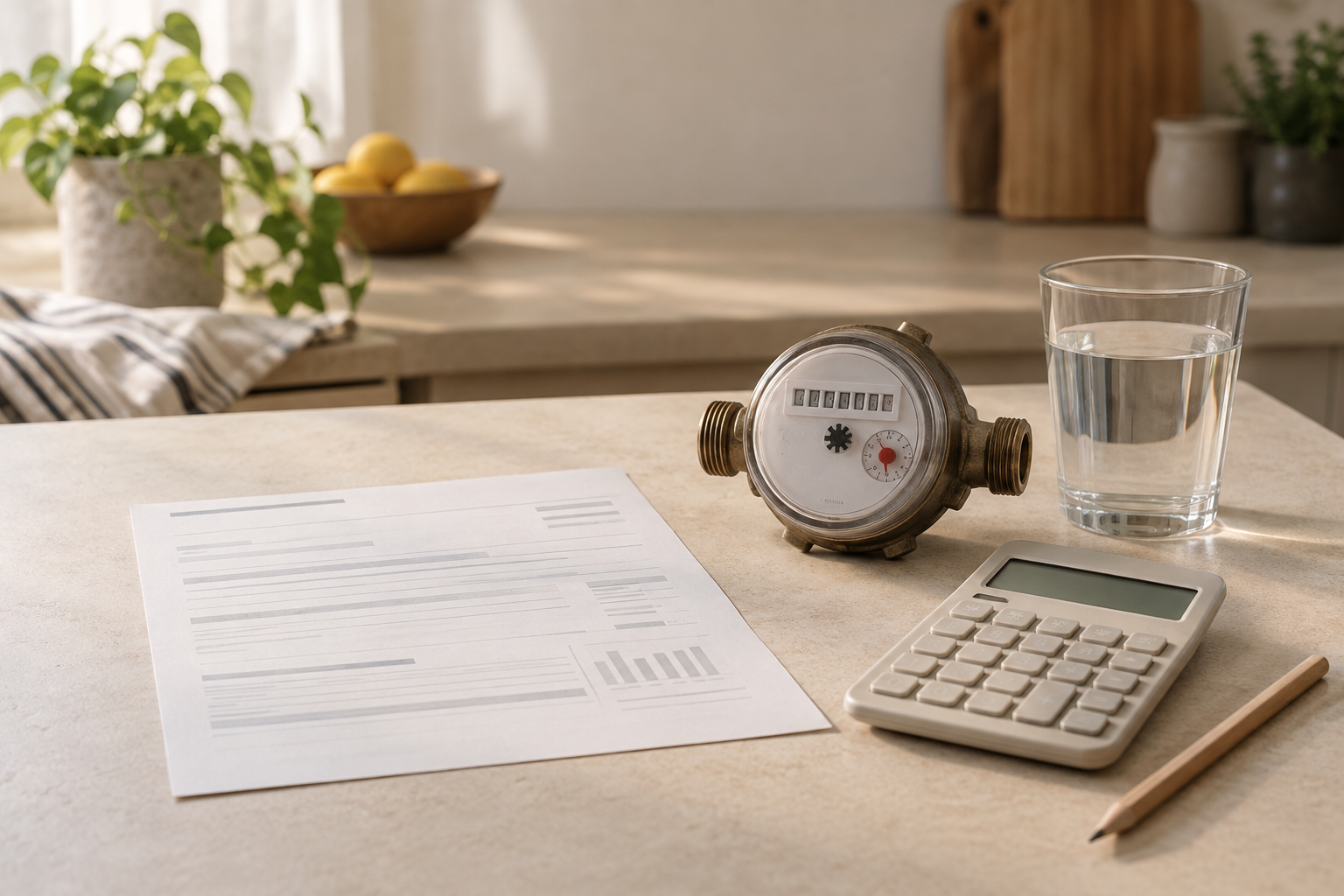
A surprisingly high water bill is easier to handle when you separate usage, rates, billing periods, and possible leaks. Use this calm checklist before resetting your budget.

Sort competing savings goals by deadline, consequence, and flexibility, then make a realistic plan for the money available this pay cycle.

Build an overtime pay budget from reliable take-home income, check the real cost of extra shifts, and give irregular earnings a job only after they arrive.

Compare home repair quotes by scope, materials, exclusions, timing, and payment schedule so the cheapest estimate does not become an expensive surprise.

Understand how a credit card grace period relates to your statement balance, due date, and new purchases—and what to check before relying on it.
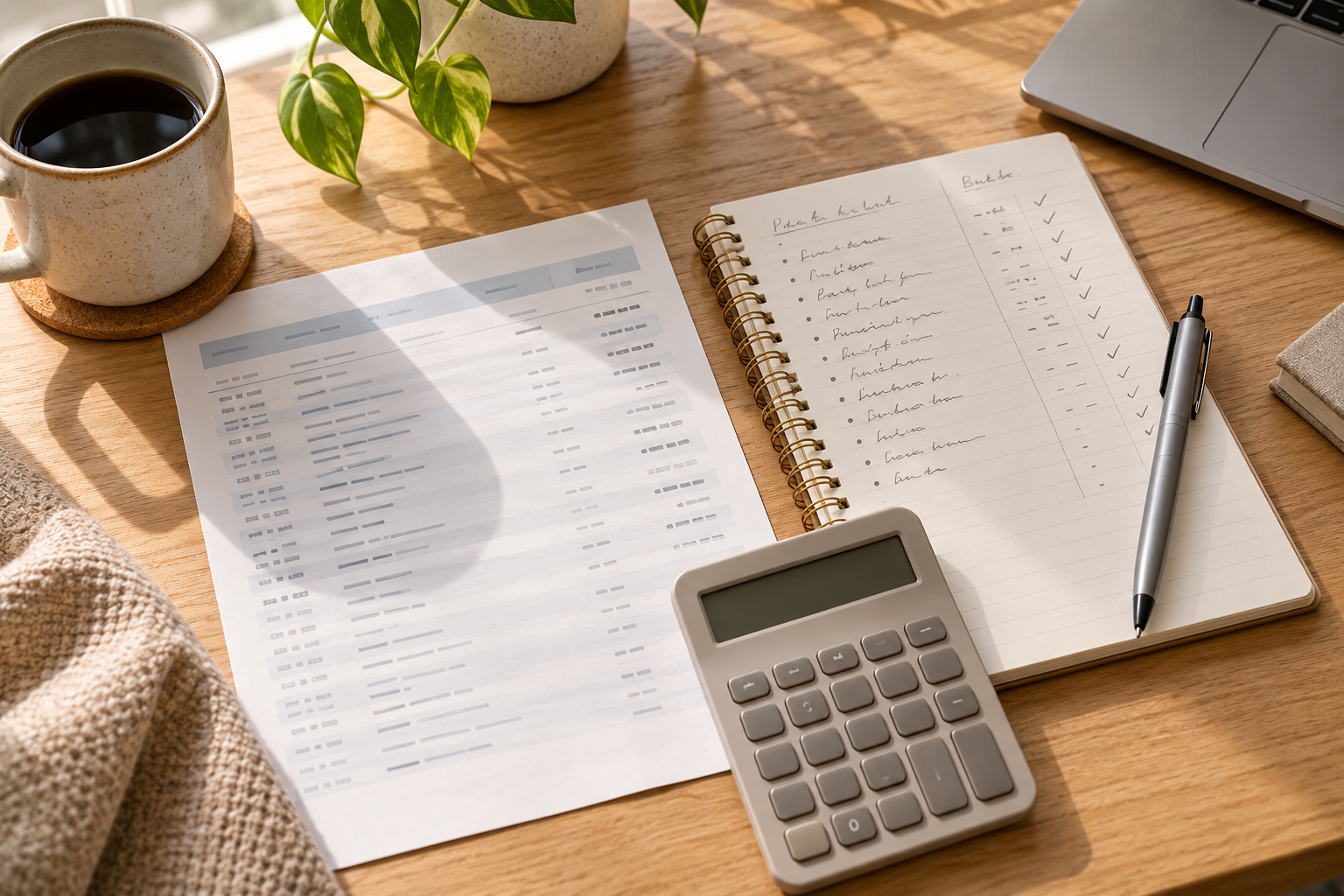
Learn a simple bank account reconciliation routine: match posted transactions, handle pending charges and transfers, and turn differences into a more accurate budget.

Biweekly and semimonthly pay can look similar but create different bill timing. Learn to plan from actual deposit dates and avoid spending an extra paycheck twice.
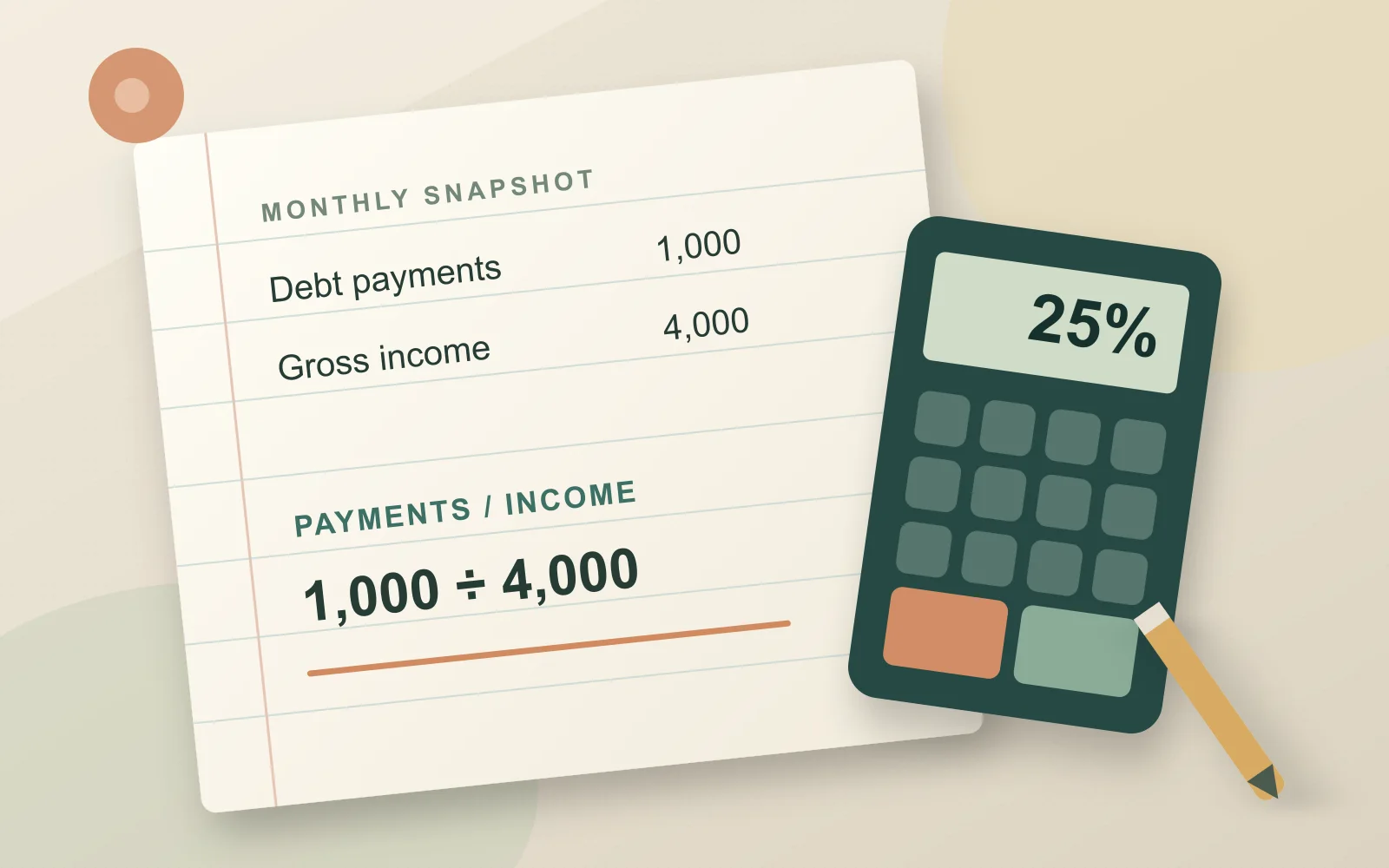
Learn what a debt-to-income ratio measures, how to calculate it from monthly payments and gross income, and why your cash-flow budget still matters.

Build a pet sitting budget that covers the right level of care, travel-day timing, supplies, and a backup plan without guessing from the nightly rate.

Learn how to calculate a monthly spending baseline from transactions, annual bills, and uneven costs without mistaking an average for cash you have today.

A trip cancellation budget helps you separate refunds, travel credits, and lost costs, then rebuild your cash plan without counting money before it returns.

A carpool cost-sharing plan helps drivers and riders agree on fuel, tolls, parking, payment timing, and schedule changes before a shared commute gets awkward.

A storage unit budget helps you compare monthly rent, move-in costs, transport, and the length of your stay before extra space becomes a quiet recurring bill.

An annual subscription may cost less on paper, but a monthly plan can protect cash and make cancellation easier. Use a simple break-even test before committing.

Build a home accessibility upgrade budget by separating immediate safety needs, quotes, permissions, installation, and future upkeep before committing to work.

Compare home internet plans beyond the introductory price: equipment, setup, price changes, service needs, and switching costs in one practical budget check.

Learn how to estimate an appliance's electricity use from watts, hours, and your own tariff, then compare running costs with the purchase price without mistaking an estimate for a bill.

A selling used items budget helps you compare asking price with fees, shipping, time, and replacement costs before counting the money as extra cash.

Travel currency exchange fees can hide in the rate, card terms, and ATM charges. Use a simple comparison to budget for what you actually receive abroad.
Keep gift cards and store credit visible with a simple balance tracker, a checkout routine, and a plan for partial payments and returns.

An in-game purchase budget helps you see the full cost of games, set a limit for digital extras, and enjoy playing without surprise charges.

A bike commuting budget separates setup costs, maintenance, storage, and backup rides so you can compare cycling with your real travel routine.
Use a security deposit return checklist to document your move-out, track possible deductions, and plan your budget while the refund is still pending.
Learn how to read a payslip, check gross and net pay, spot unusual deductions, and build a budget from the money that actually arrives.
A simple debt payment tracker helps you match planned payments with posted transactions, interest, new charges, and changing balances across accounts.

A secondhand purchase budget helps you compare used items with new ones after pickup, repairs, condition, and return risk—not just the listing price.

Switching bank accounts? Use a staged checklist to move deposits, recurring payments, and savings transfers while keeping your budget and old account in view.
A solo living budget helps one-person households plan rent, utilities, groceries, social spending, buffers, and support systems without shared-cost assumptions.
A vacation rental budget helps you compare nightly rates, cleaning fees, deposits, groceries, transport, rules, and shared costs before a stay looks cheaper than it is.
A utility deposit budget helps renters and movers plan connection fees, deposits, first bills, equipment, and timing so setup costs do not surprise the first month.
A money values budget helps you connect spending categories to priorities, reduce guilt, and make tradeoffs that reflect your real life instead of vague pressure.
A loyalty program budget helps you use points, coupons, miles, and member discounts without buying things you would not choose at full price.
A home cleaning budget helps you plan supplies, equipment, laundry, occasional help, repairs, and restocking routines without letting small household costs scatter.
A funeral cost plan helps families organize wishes, documents, payment sources, travel, food, and urgent decisions before grief forces every choice at once.
A wedding planning budget helps couples set a total, rank priorities, handle deposits, family contributions, guest count, and post-wedding cash flow before booking vendors.
An internship budget helps students and early-career workers plan transport, clothes, meals, housing, delayed pay, and relocation costs before the role starts.
A charity giving budget helps you plan donations, community requests, fundraisers, mutual aid, and emergency giving while protecting your own essentials.
A grocery bulk buying budget helps you compare unit value, storage space, meal fit, spoilage risk, and cash flow before buying more than you can use.
An annual money review helps you look back at spending, savings, debt, subscriptions, goals, and life changes without turning the process into self-criticism.
A tax refund plan helps you split a refund between bills, savings, debt, delayed needs, and some enjoyment before the money blends into daily spending.
A study abroad budget helps students and families plan housing, meals, transport, deposits, phone costs, travel, and emergency money before leaving home.
A teen first job budget helps young earners split paychecks between spending, saving, family costs, transport, and future goals without making money feel scary.
A joint account budget helps couples or housemates fund shared bills, groceries, rent, savings goals, and personal spending boundaries with less confusion.
A freelance tax savings routine helps variable earners separate tax money, plan irregular payments, track deductible records, and avoid spending money that is not really available.
A date night budget helps couples plan shared fun, food, transport, childcare, and low-cost options without turning connection into surprise spending.
A holiday hosting budget helps you plan food, drinks, decor, guest needs, cleaning, and shared costs before a generous gathering crowds the month.
A grocery delivery budget helps you plan fees, tips, substitutions, impulse add-ons, and pantry gaps before convenience quietly inflates food spending.

A holiday travel budget helps you plan tickets, luggage, meals, gifts, local transport, and recovery money before a seasonal trip crowds the rest of your month.
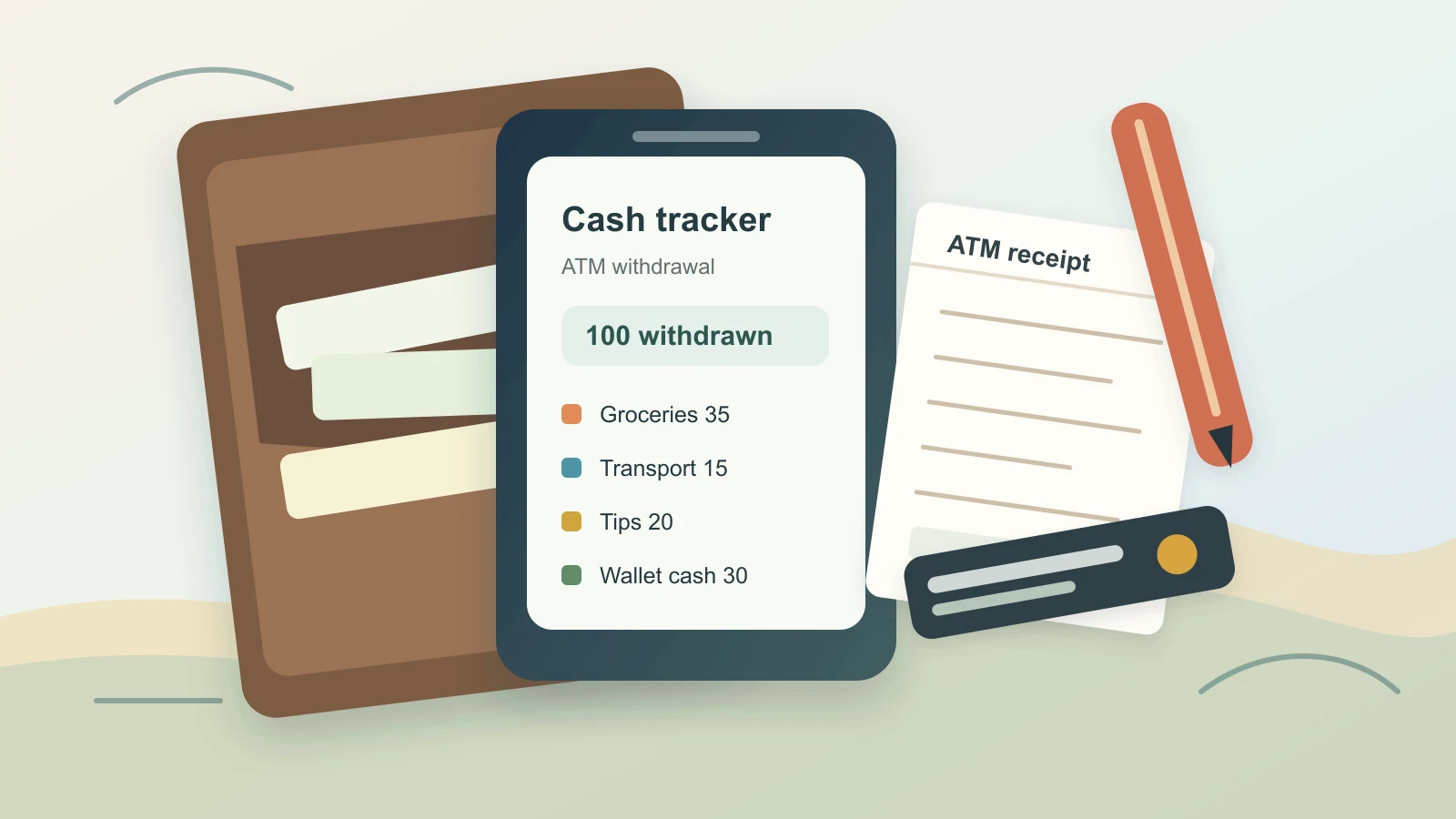
A cash spending tracker helps you connect ATM withdrawals, small cash purchases, tips, and receipts back to your real monthly budget.
A commuter pass budget helps you compare transit passes, pay-as-you-go fares, office days, errands, and backup rides before transport costs quietly drift.

A furniture budget plan helps you prioritize rooms, compare needs, pace purchases, and avoid turning a home setup into months of cash-flow stress.
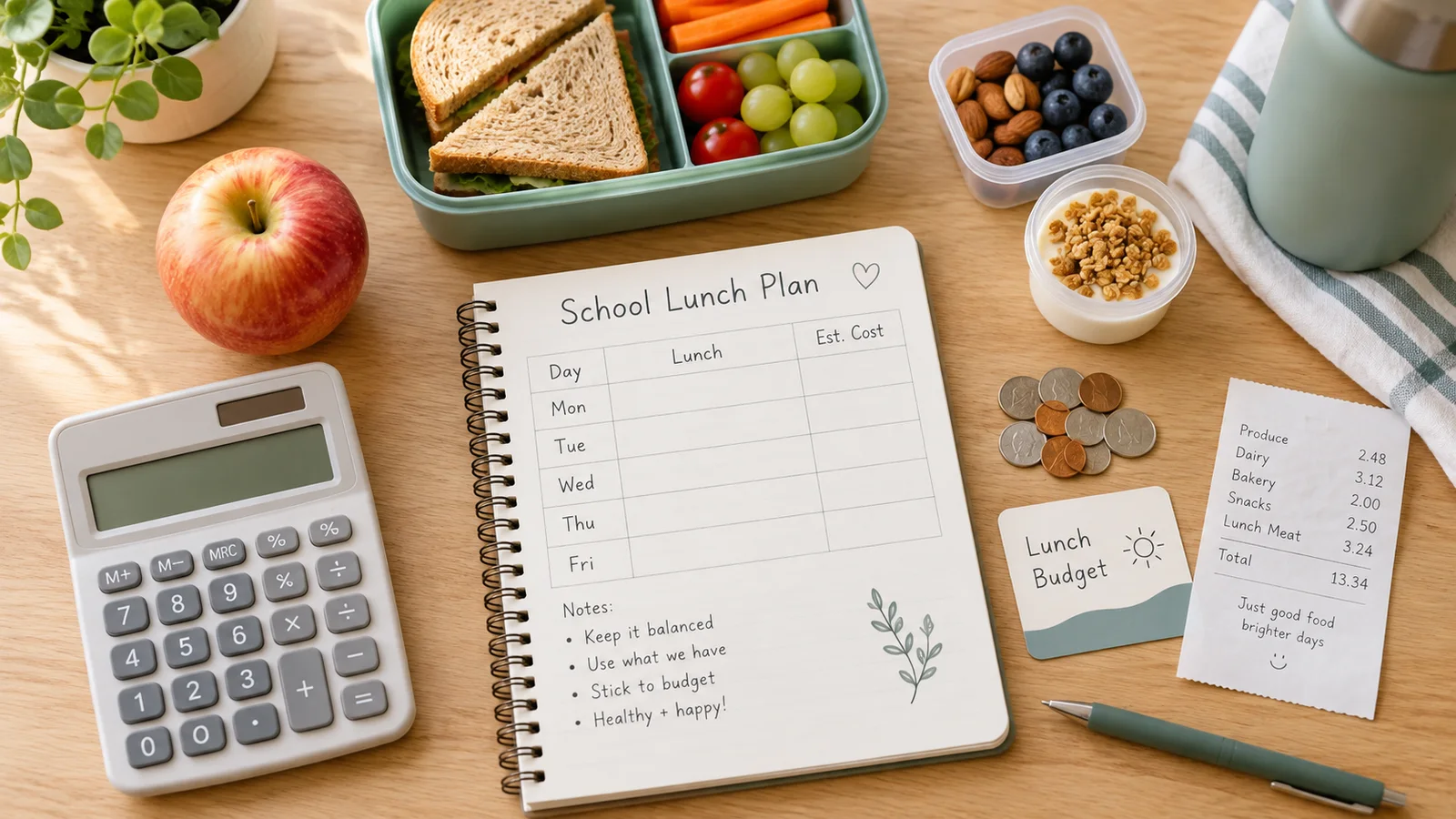
A school lunch budget helps families plan cafeteria meals, packed lunches, snacks, and busy-week food costs without letting small daily choices blur the monthly plan.
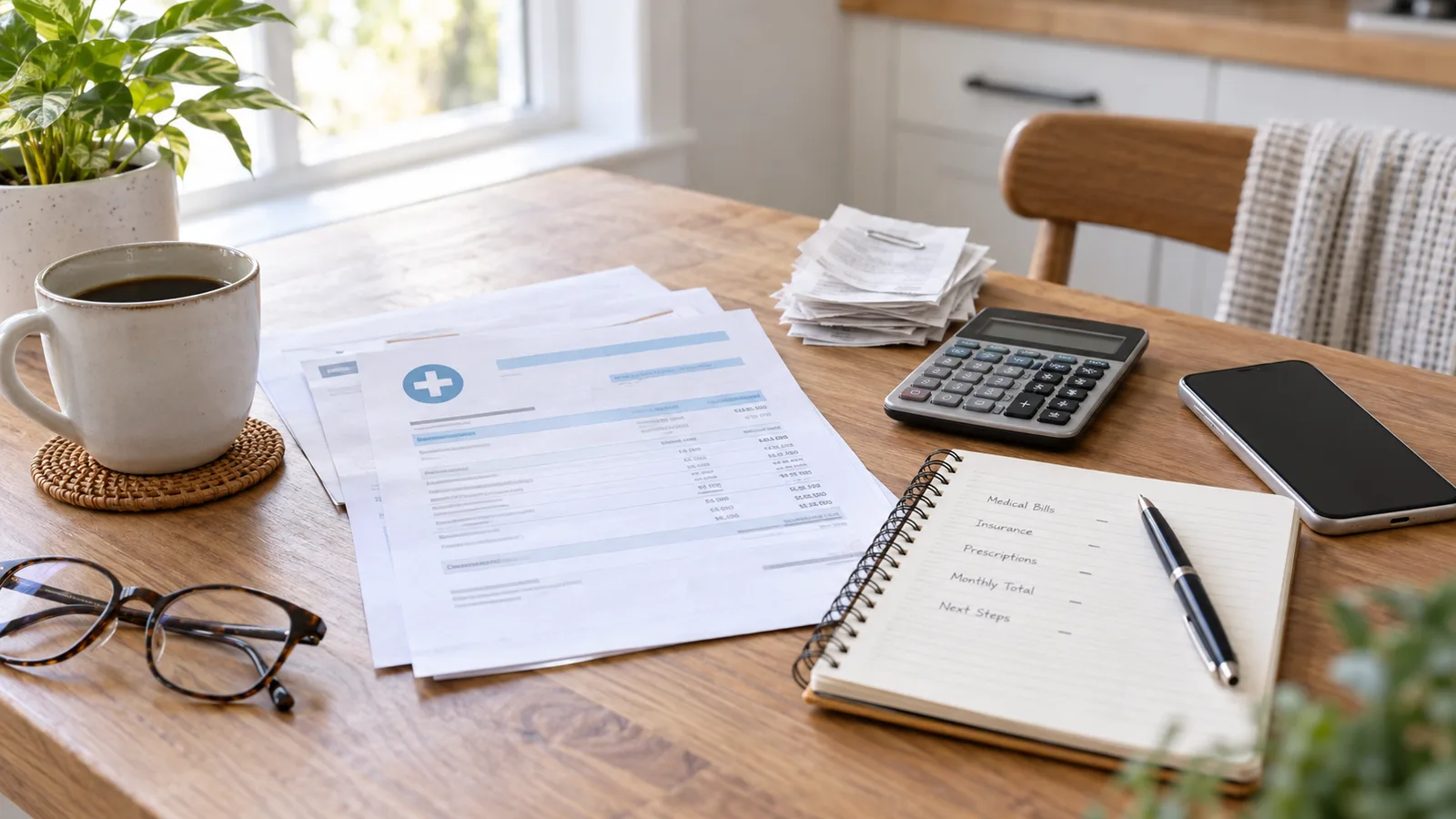
A medical bill budget helps you organize statements, insurance notices, payment plans, and cash flow before healthcare costs crowd the rest of your month.

A hybrid work budget helps you plan commute costs, lunches, home-office needs, and weekday spending before changing routines blur your monthly plan.
A busy week budget helps you plan meals, transport, errands, and small shortcuts before a crowded calendar turns into scattered overspending.
A purchase regret review helps you turn disappointing buys into clearer budget rules, better timing, and calmer spending decisions next time.
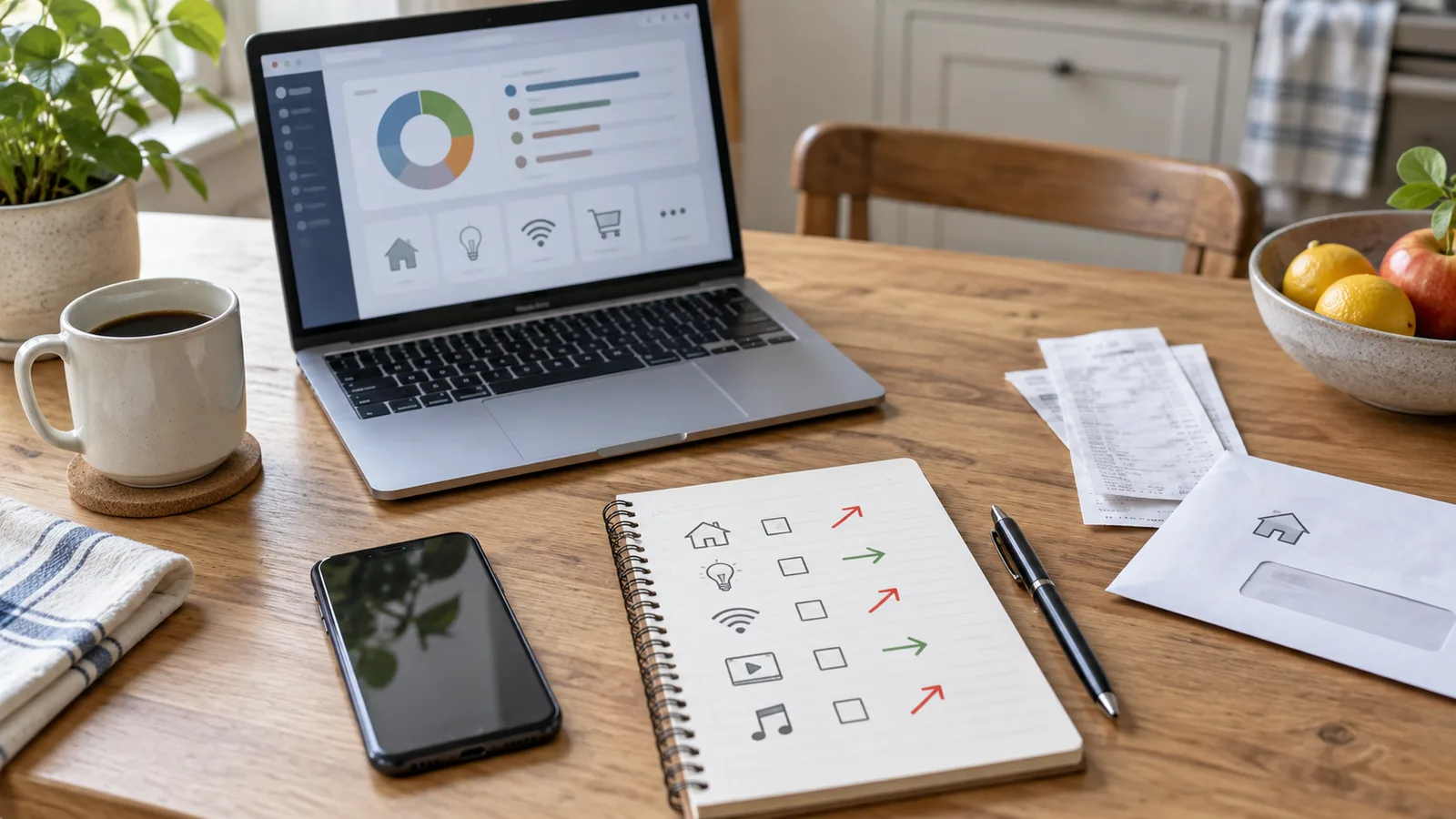
A price change watchlist helps you notice renewals, subscription increases, and everyday cost creep early enough to adjust your budget calmly.
A moving in together budget helps couples plan rent, deposits, furniture, groceries, bills, and personal spending before shared expenses get awkward.
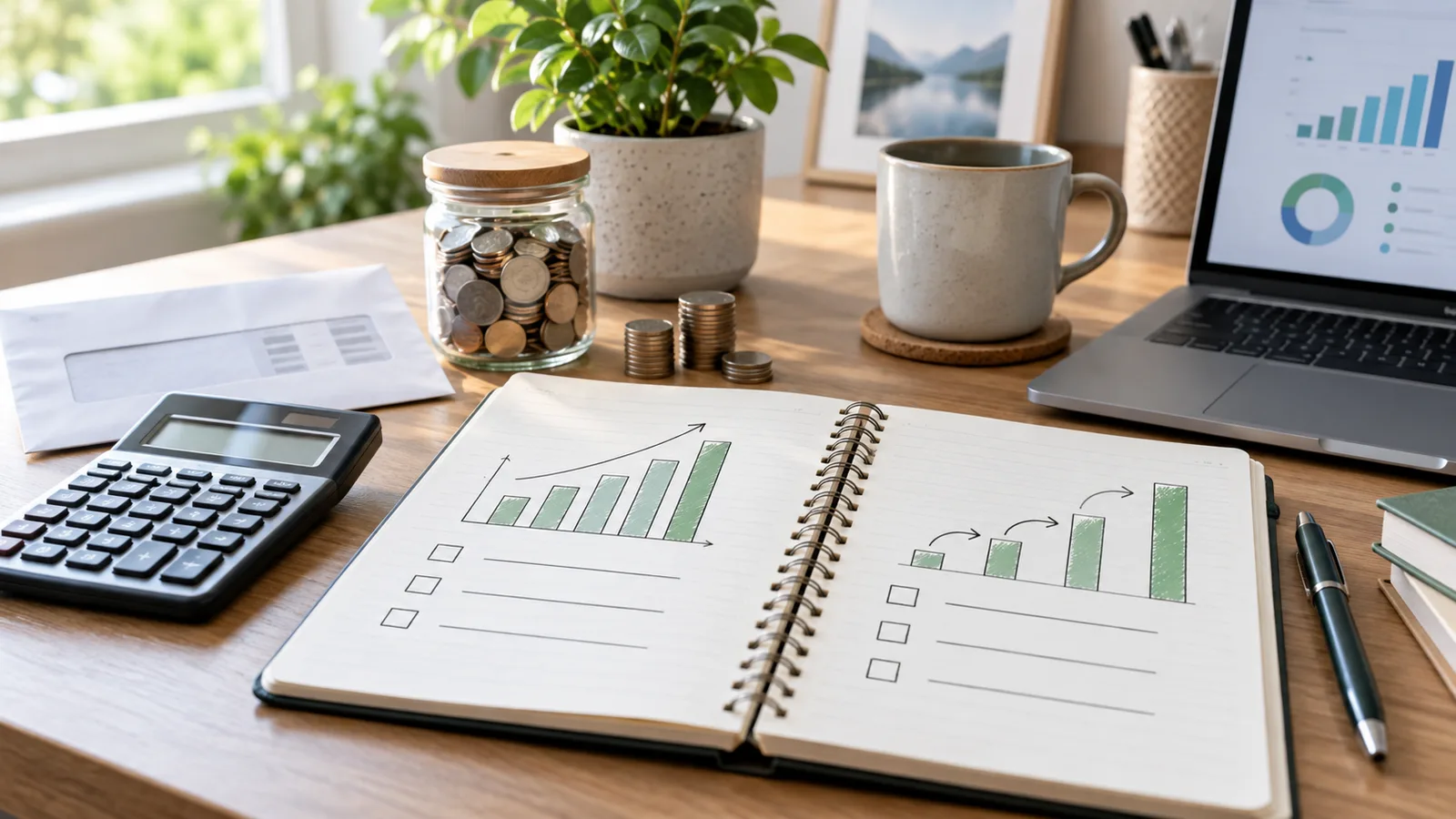
A retirement contribution budget helps you increase long-term savings gradually while keeping bills, everyday spending, debt, and short-term goals steady.
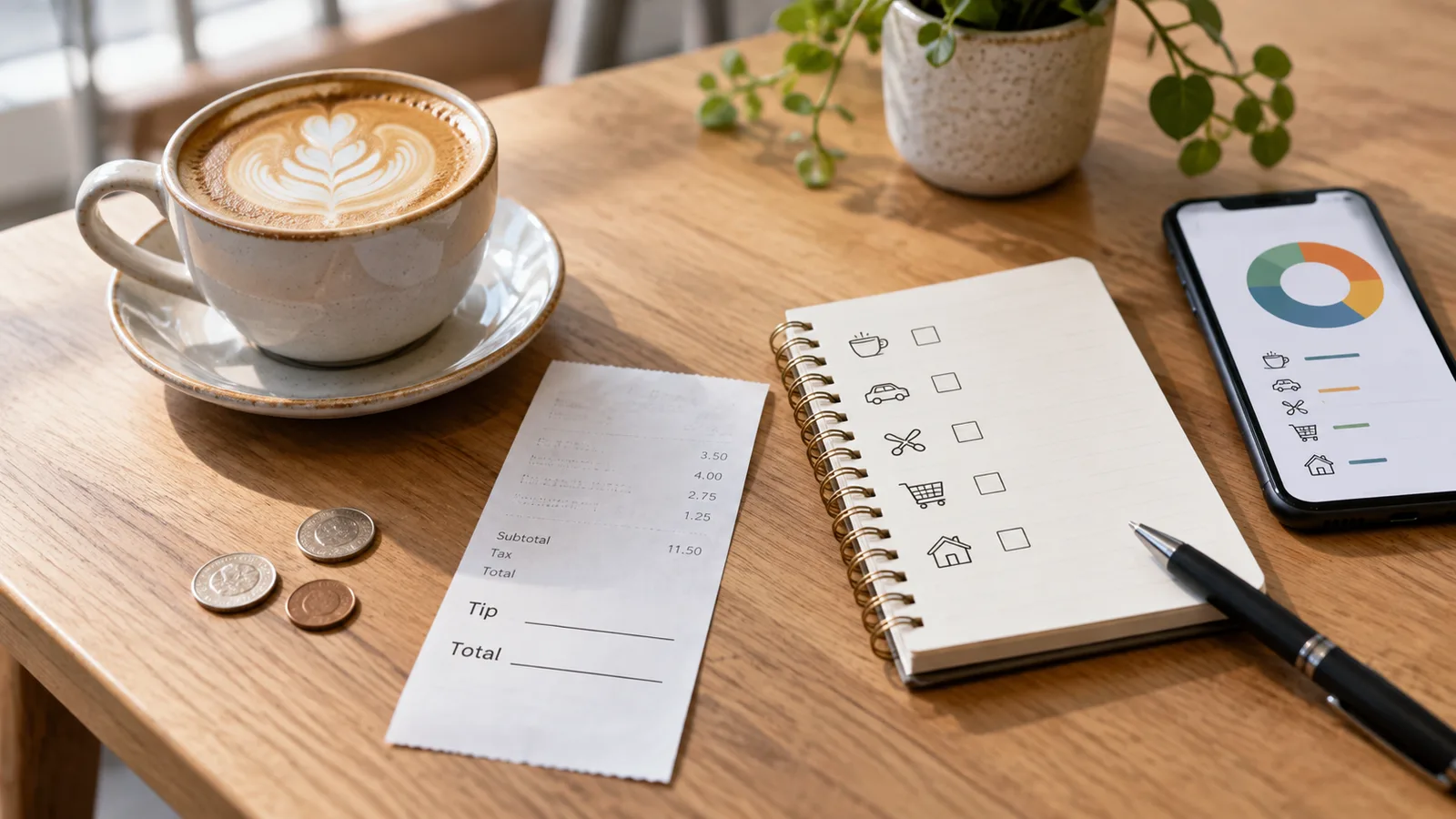
A tipping budget helps you plan gratuities for dining, deliveries, travel, personal care, and service visits so small add-ons do not distort the rest of your month.

An errand day budget helps you group small purchases, set a spending limit before leaving home, and keep quick stops from turning into a messy month-end surprise.

A birthday budget plan helps you enjoy parties, dinners, gifts, travel, and last-minute extras without letting one celebration crowd the rest of the month.
An insurance claim budget helps you organize deductibles, temporary costs, receipts, and reimbursements so a stressful claim does not blur your monthly money plan.
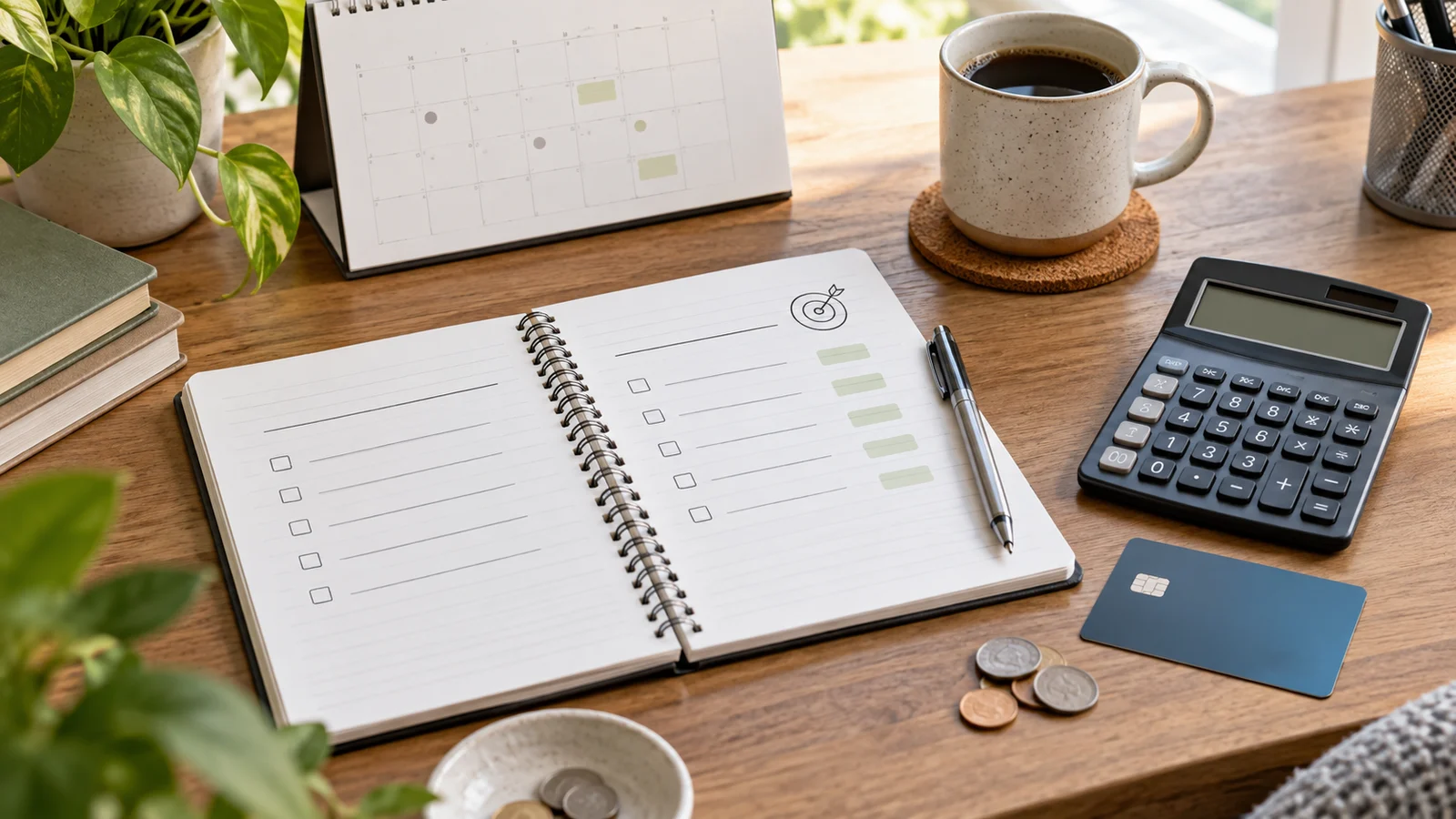
An extra debt payment budget helps you send more than the minimum while keeping bills, savings, and daily spending steady enough to repeat.

A shared subscription budget helps households, couples, and friends split streaming, app, cloud, and membership costs before small recurring charges become confusing.
A gym membership budget helps you compare monthly dues, class packs, equipment, cancellation terms, and wellness extras before fitness spending drifts.

A kids activity budget helps families plan sign-up fees, gear, travel, snacks, camps, and lessons before busy seasons crowd the monthly budget.
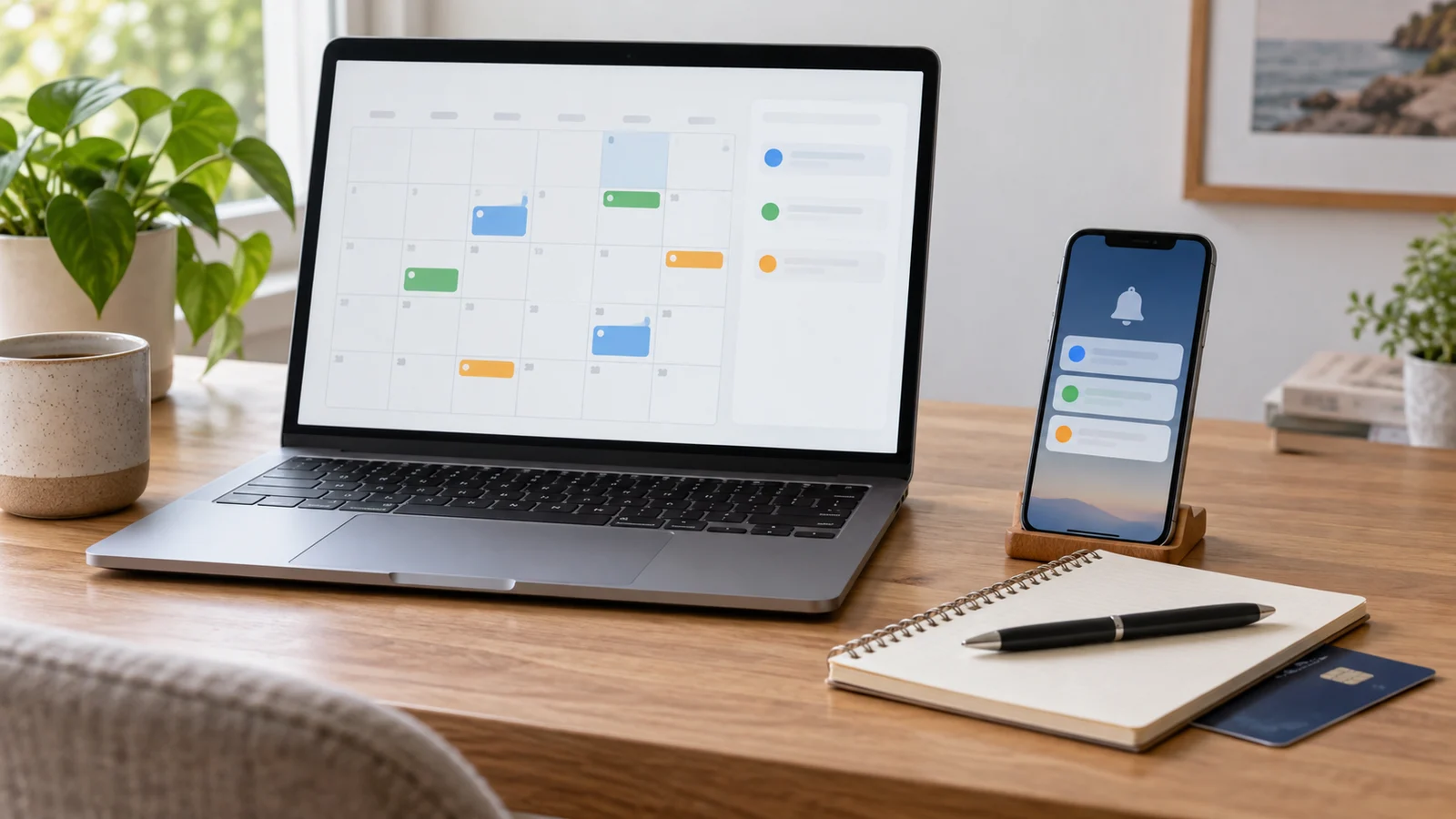
A free trial budget helps you test subscriptions on purpose, set cancellation reminders, and stop trial offers from turning into surprise monthly charges.
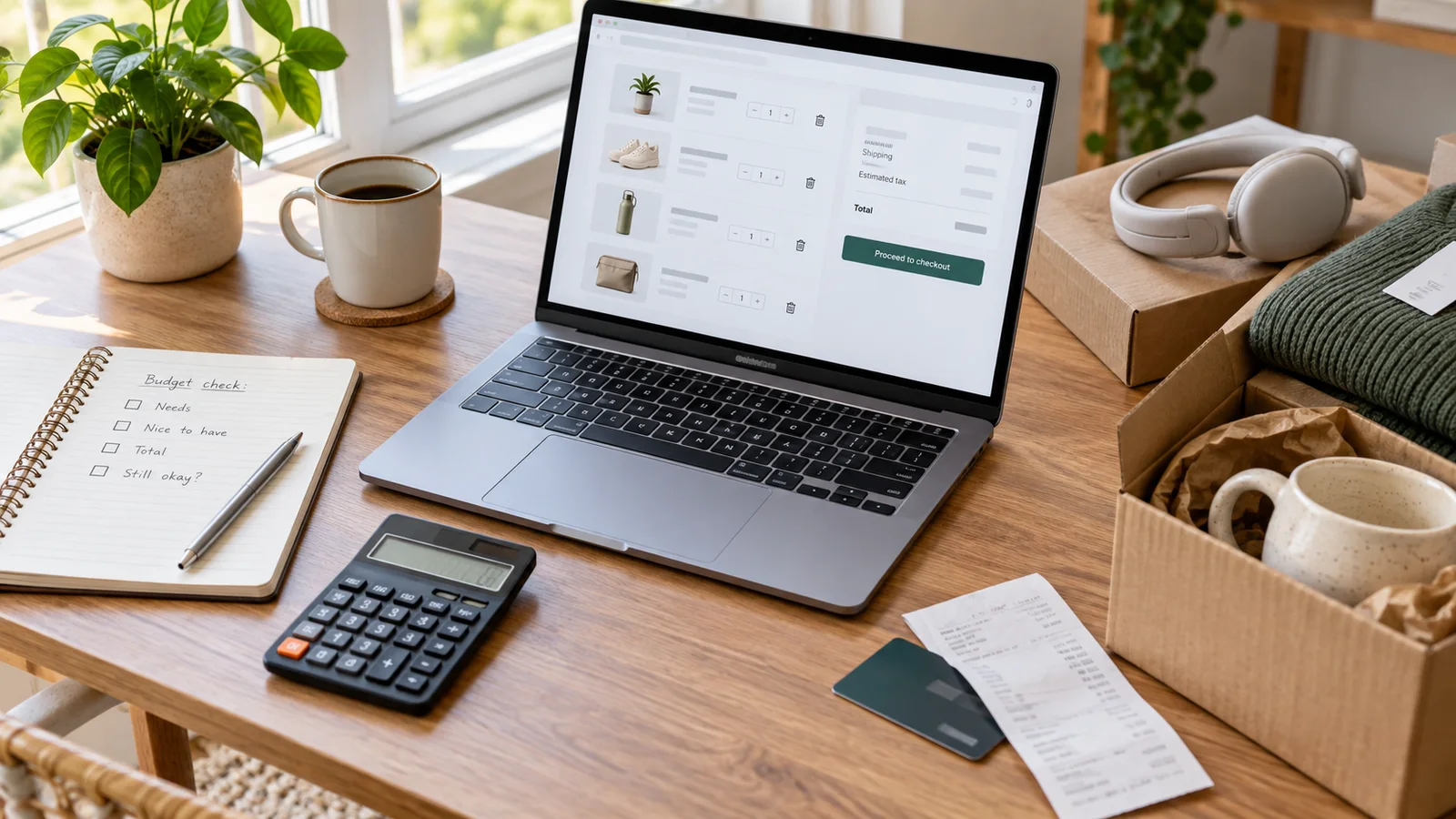
An online shopping cart audit helps you catch impulse buys, duplicate purchases, hidden fees, and budget drift before a small checkout becomes a bigger money leak.
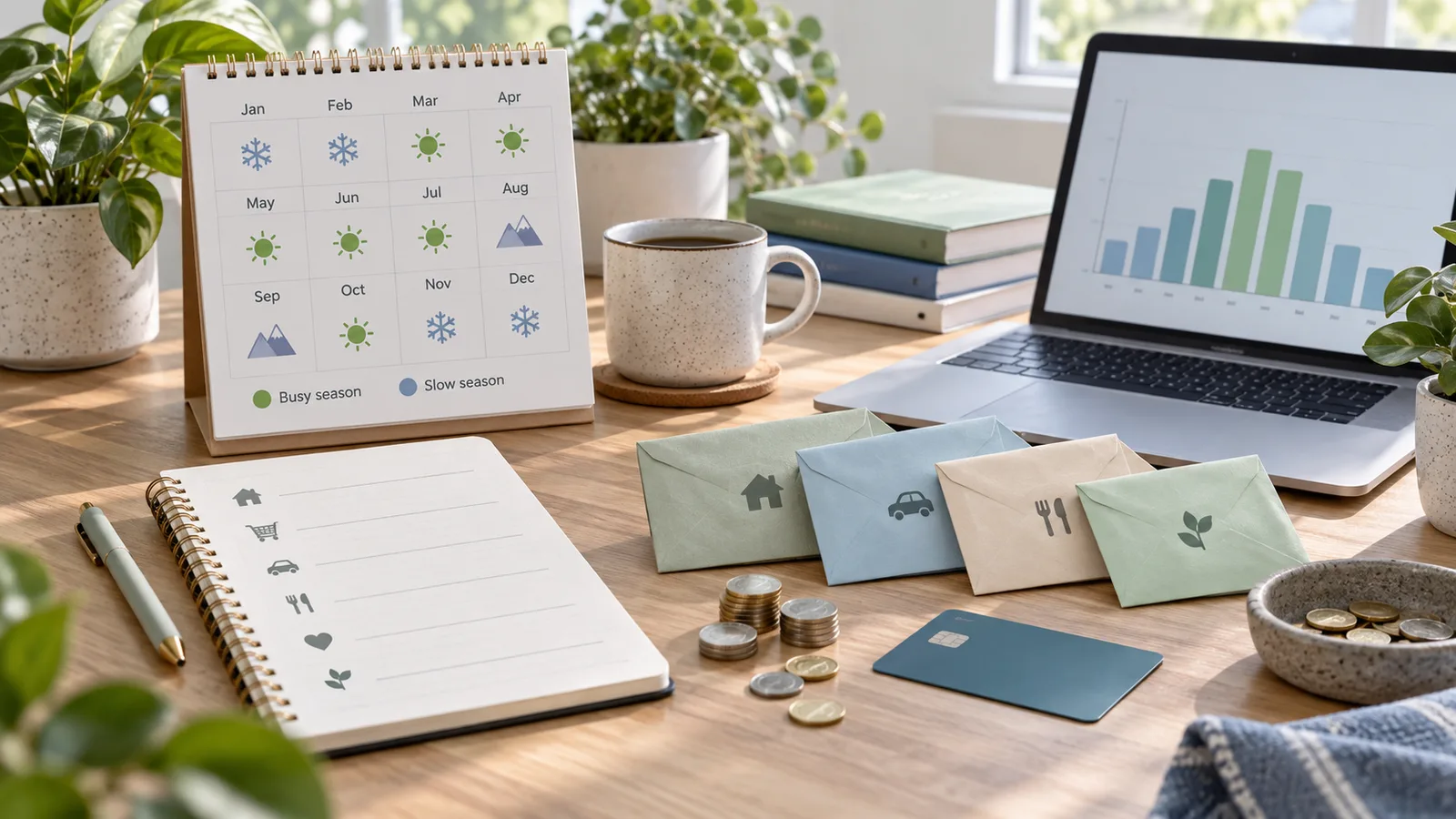
A seasonal income budget helps you use high-earning months to protect bills, savings, and everyday spending when work slows down.
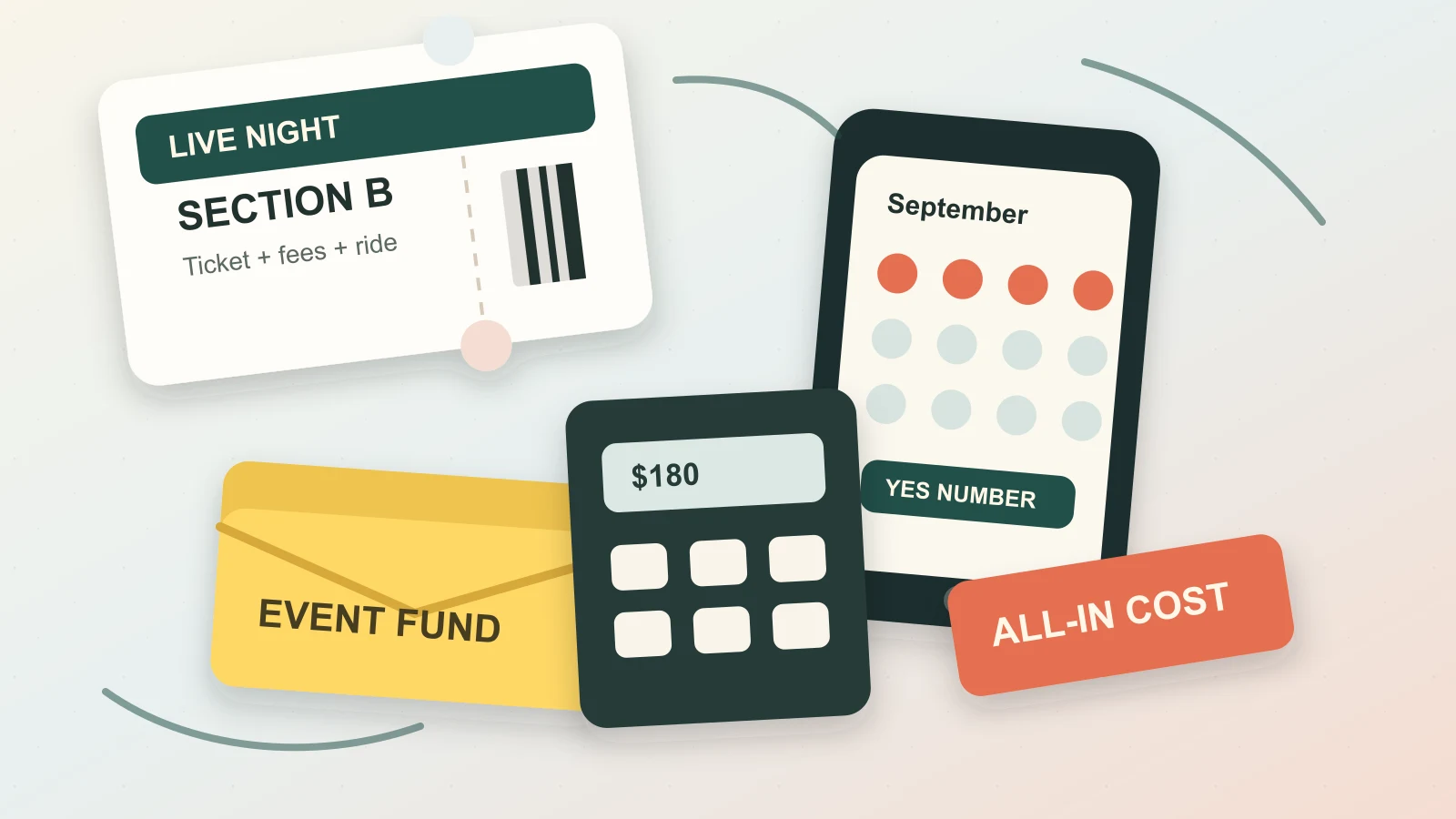
An event ticket budget helps you plan concerts, sports, festivals, and theater nights before the full cost turns into next month's stress.

A pantry budget helps you use the food you already have, plan smarter grocery trips, and keep weekly food spending from drifting upward.
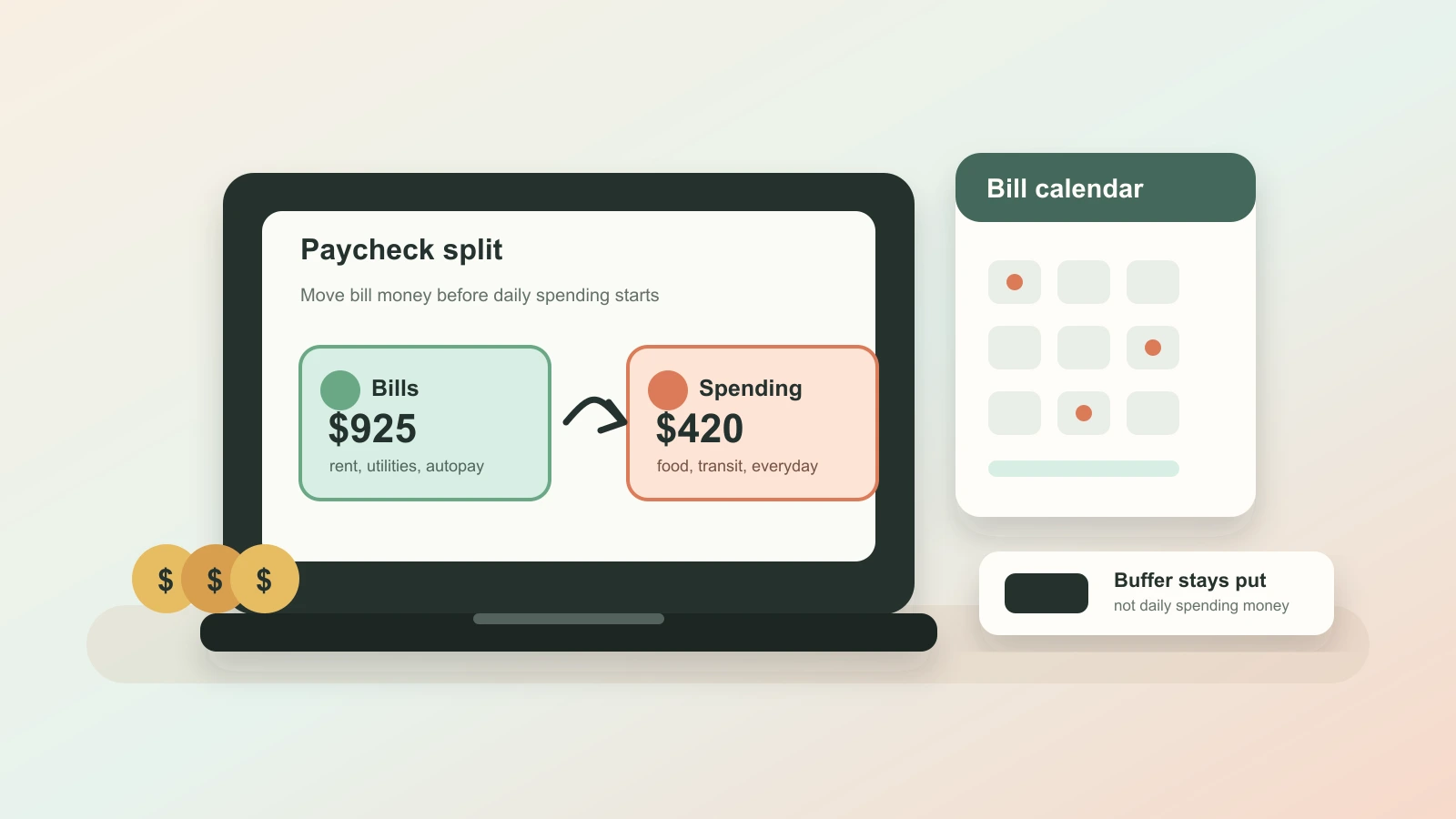
A two-account budget helps you keep bill money away from daily spending money, so your bank balance is easier to trust between paydays.
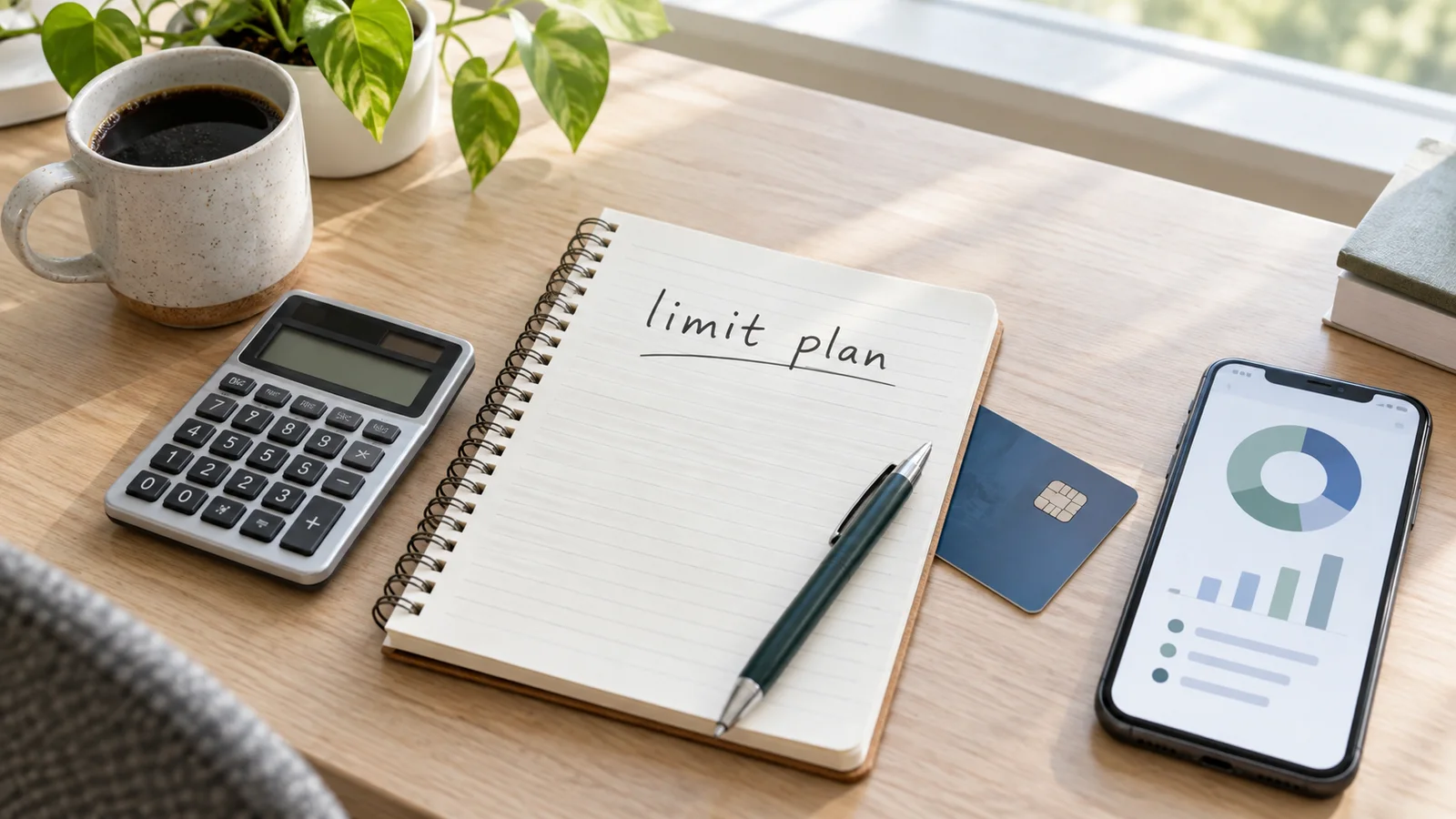
A credit limit increase budget helps you treat extra card capacity as cash-flow protection, not permission to let everyday spending expand.
A sick day budget helps you prepare for missed work, medicine, delivery, childcare, and recovery costs before a short illness strains the whole month.

An emergency kit budget helps you build a useful home backup plan for power cuts, storms, and short disruptions without overspending all at once.
A bare-bones budget shows the minimum amount you need for essentials, so you can make calmer choices during income changes, emergencies, or tight months.

A money inbox system helps you collect bills, receipts, refunds, reminders, and budget tasks in one place so small money details do not get lost.

A pay raise budget helps you turn higher income into clearer choices for bills, savings, debt, and lifestyle upgrades before the extra money blends into daily spending.
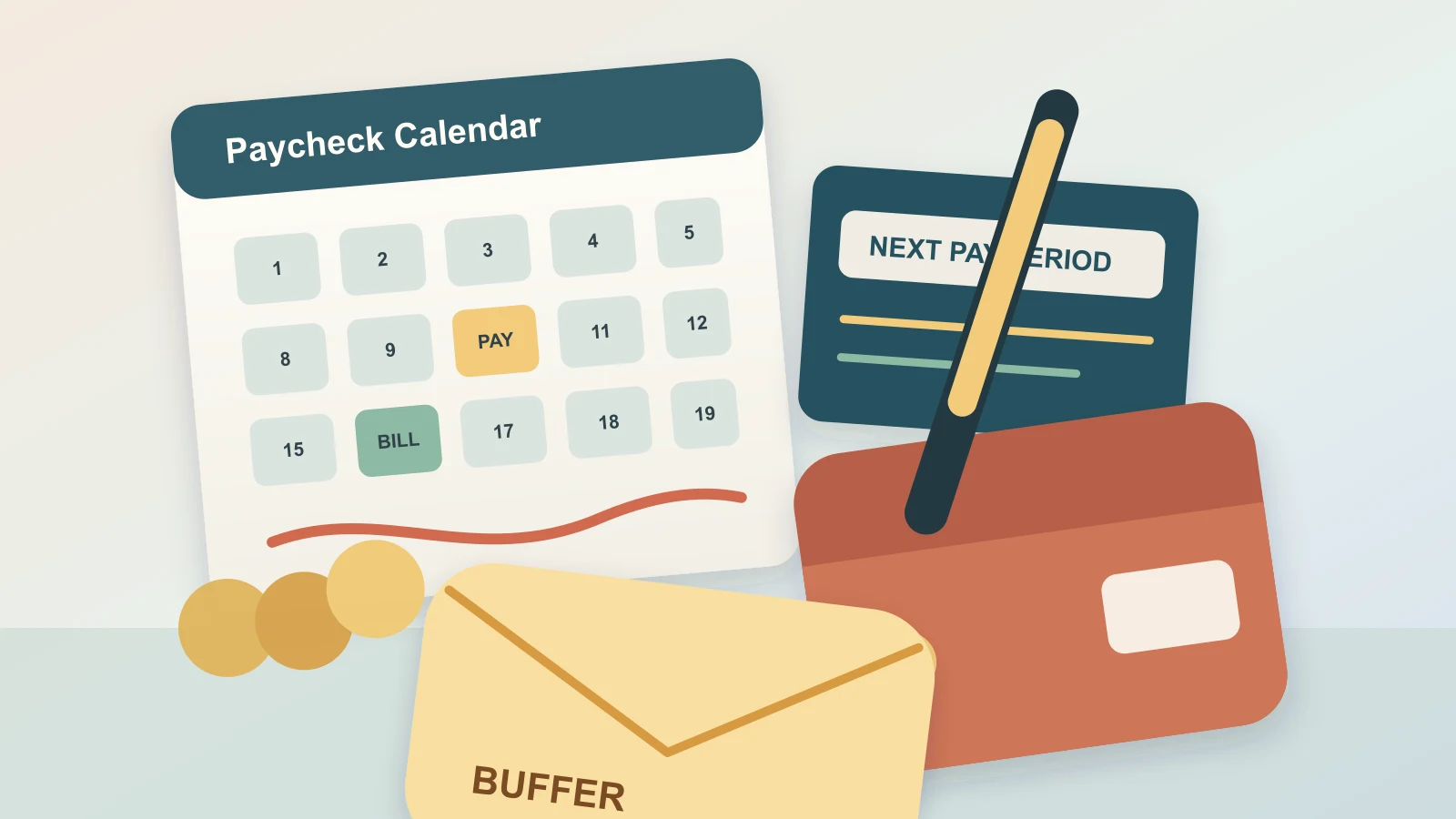
A one paycheck ahead budget helps you stop timing every bill around the next payday by building a small cash buffer one step at a time.
A therapy budget helps you plan session costs, insurance details, timing, and privacy needs so mental health care fits more clearly into your monthly money plan.
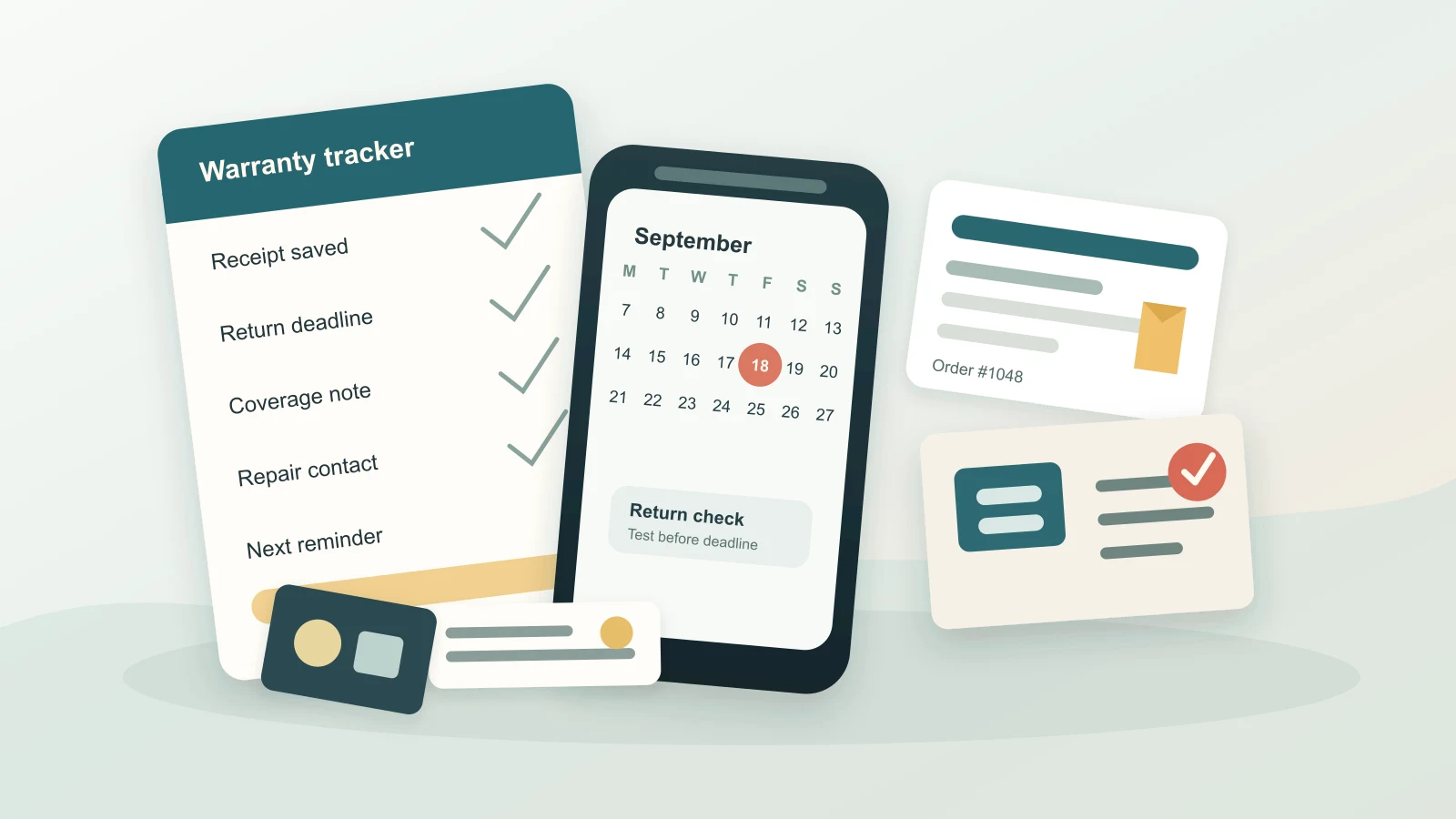
A warranty tracker budget helps you organize receipts, return windows, repair coverage, and replacement decisions before useful protection expires unnoticed.
Bill negotiation prep helps you review regular services, compare what you use, and make calmer calls before internet, phone, insurance, or membership costs renew.
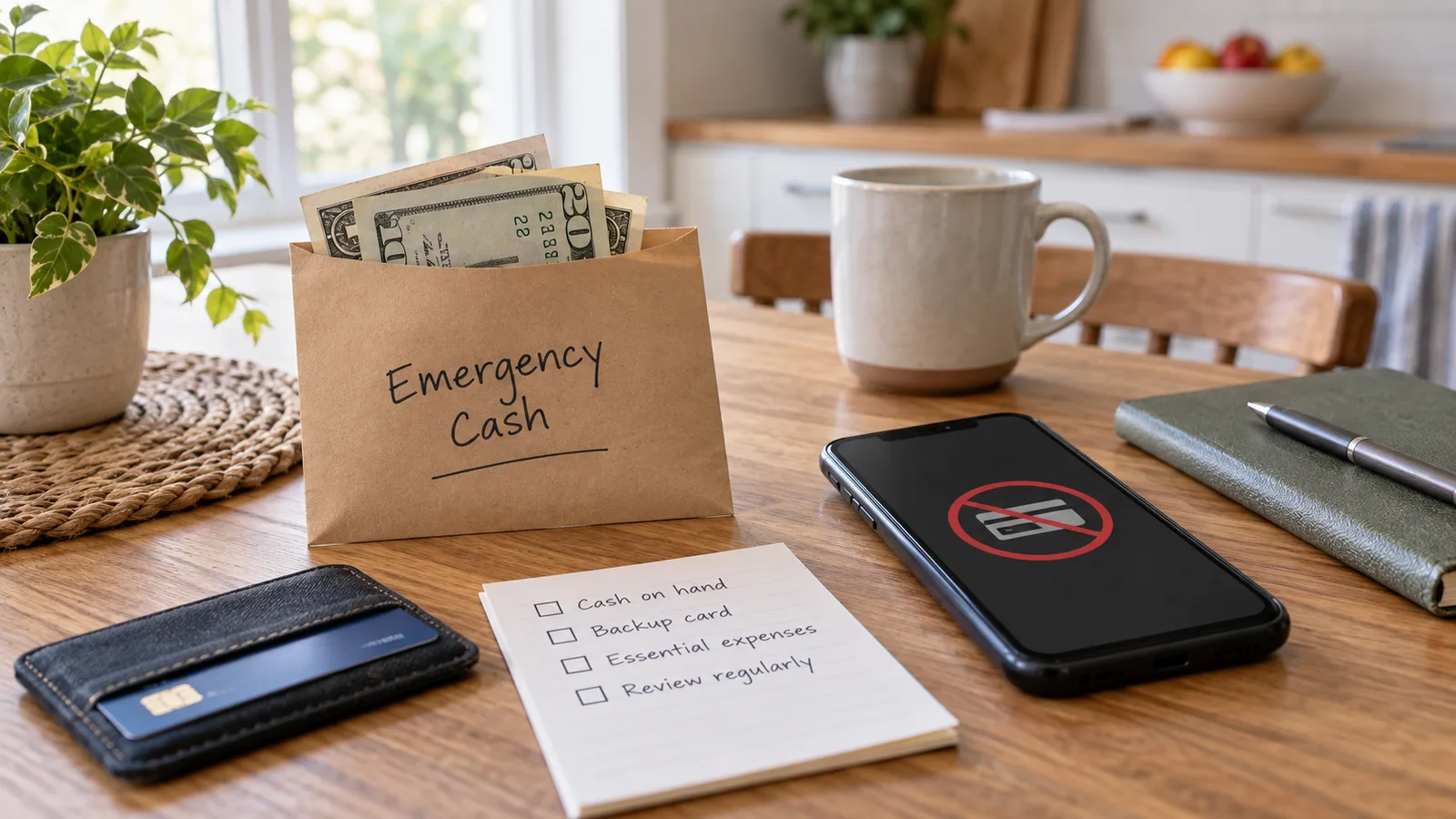
An emergency cash plan helps you keep a small, useful backup for outages, lost cards, closed banks, and moments when digital payments do not work.
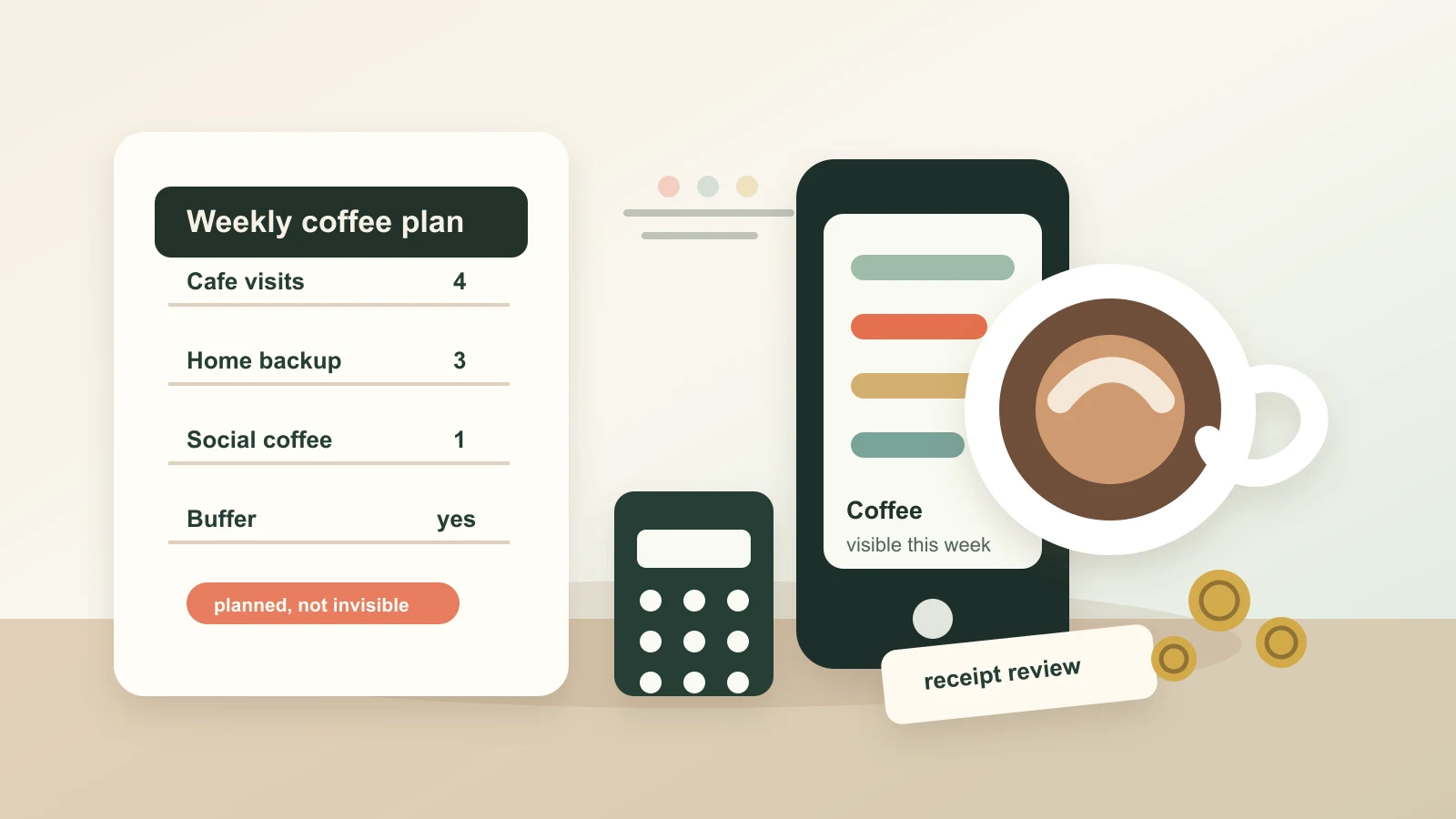
A coffee budget helps you enjoy cafe visits, workday drinks, and small treats without letting frequent purchases blur your monthly spending plan.
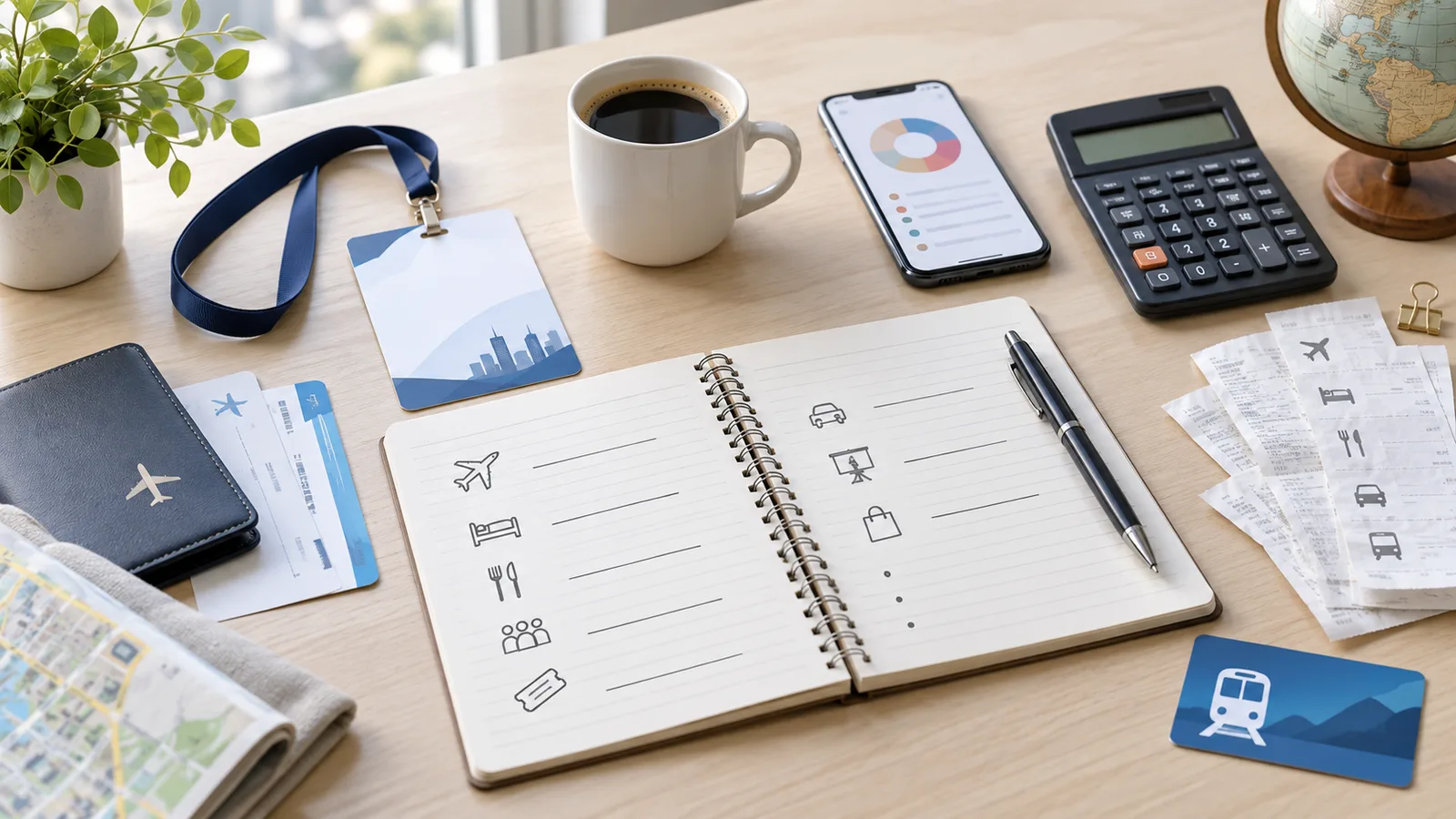
A conference budget helps you plan registration, travel, meals, lodging, and reimbursement timing before a work event strains your cash flow.
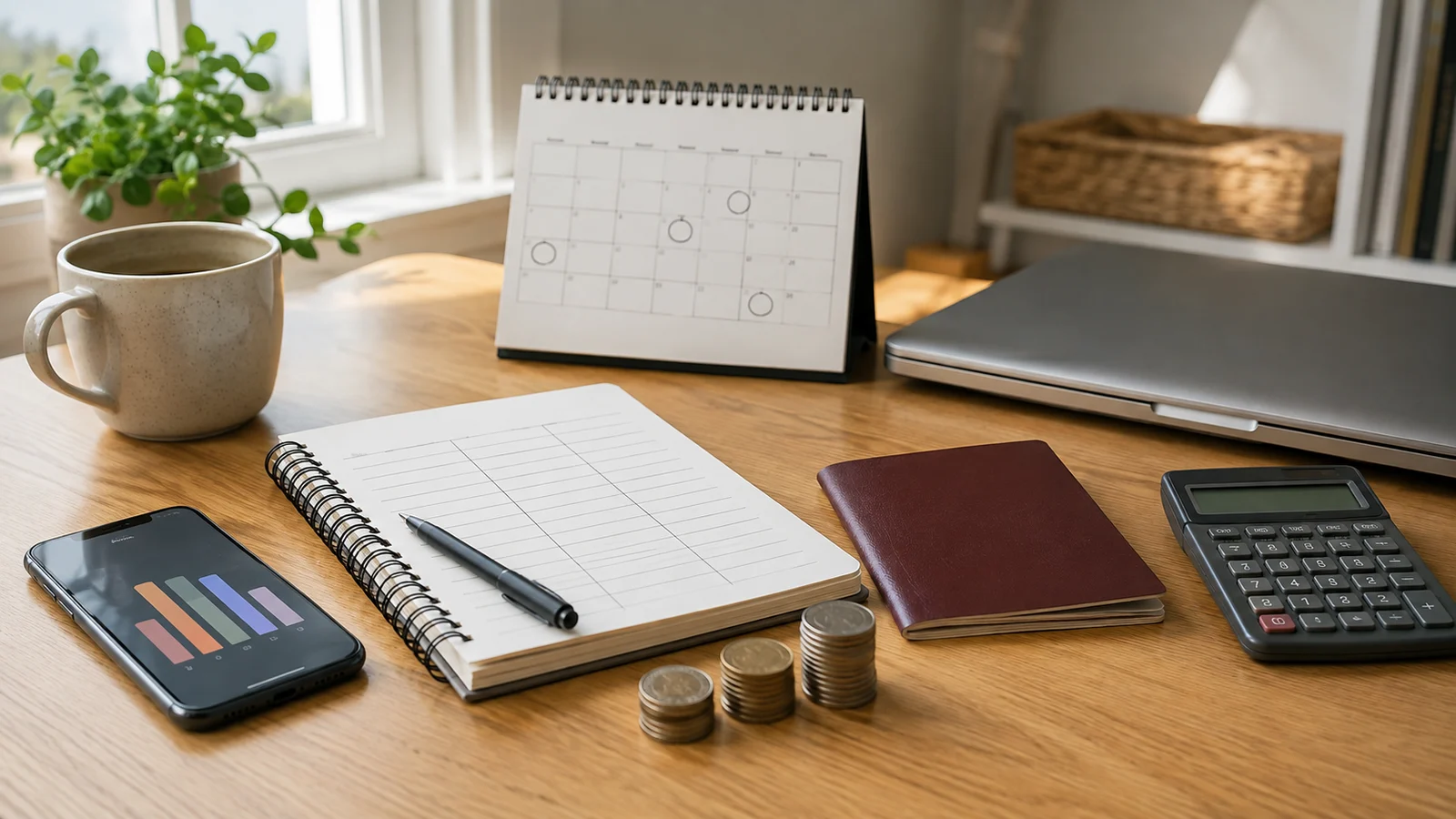
A career break budget helps you plan living costs, health needs, savings, and re-entry expenses before unpaid time away from work becomes stressful.

A low-spend month plan helps you pause spending drift, protect what matters, and reset habits without turning the whole month into punishment.
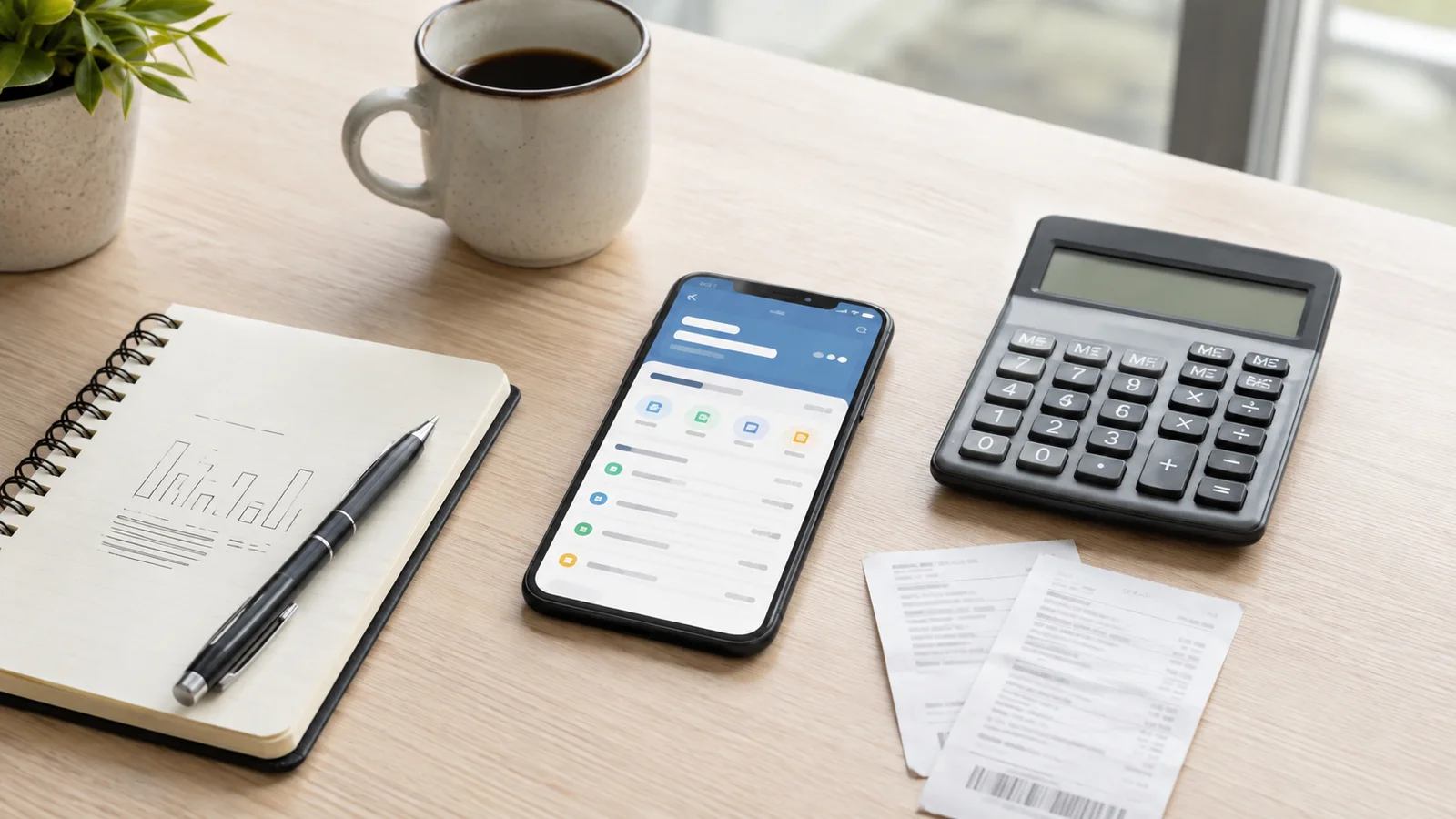
An available balance budget helps you separate cleared cash from pending bills, card holds, transfers, and upcoming payments before the bank balance misleads you.
A car buying budget helps you compare the full cost of a vehicle, from the monthly payment to insurance, maintenance, taxes, and the cash you need before signing.

A credit card due date calendar helps you plan payment timing, protect cash flow, and keep card bills from surprising the rest of your budget.

A vision care budget helps you plan eye exams, glasses, contacts, supplies, repairs, and follow-up costs before they blur into everyday spending.

A renters insurance budget helps you plan premiums, deductibles, belongings, and lease requirements before a small policy becomes another forgotten bill.

A client payment tracker helps freelancers plan bills, follow up on invoices, and avoid spending money that has been earned but has not arrived yet.
An allowance budget helps families give kids money practice, set clear spending limits, and protect the household budget from small surprise requests.

A prescription budget helps you plan recurring refills, pharmacy trips, health supplies, and surprise medication costs without letting them blur into everyday spending.
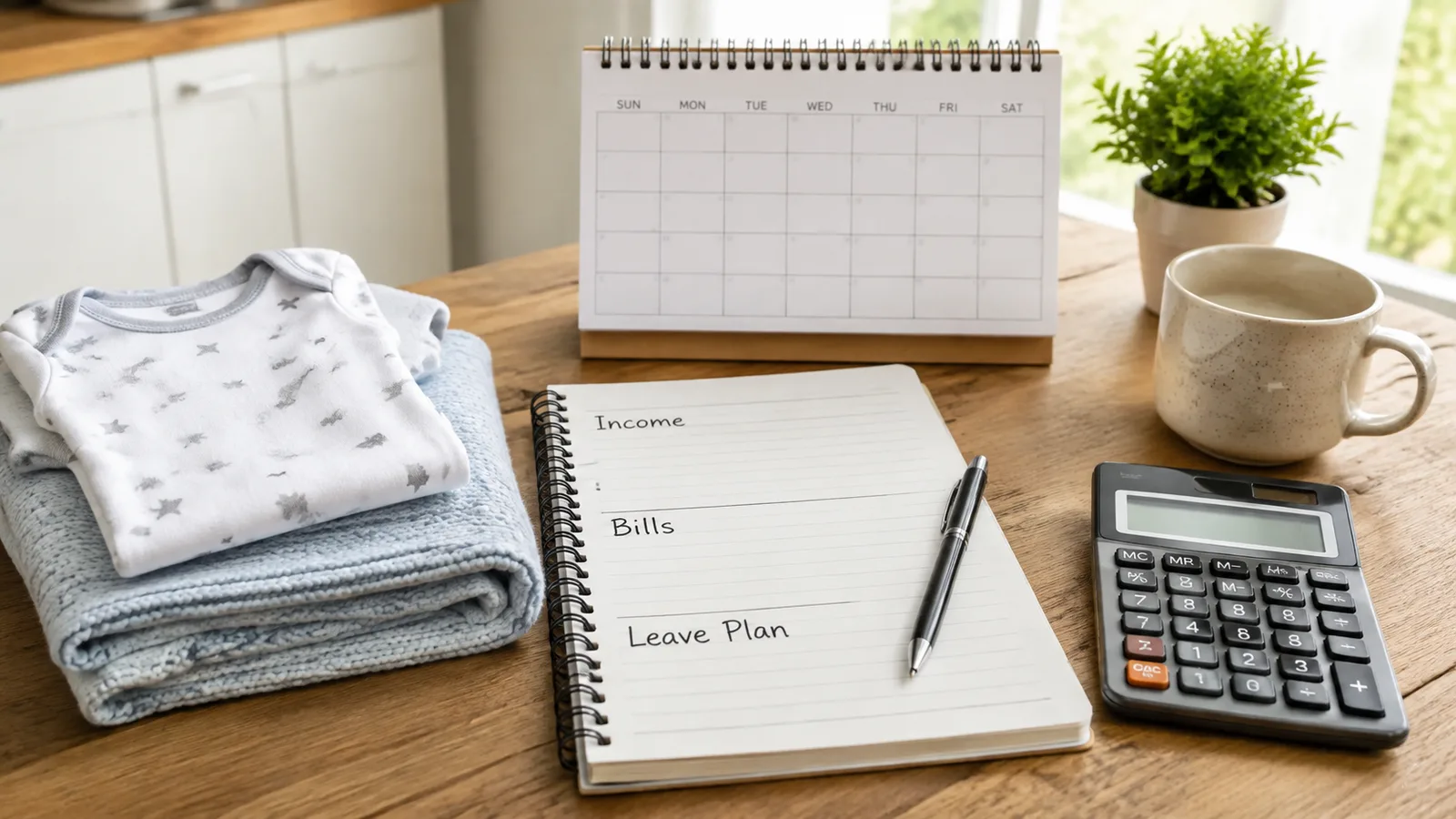
A parental leave budget helps new parents prepare for lower income, new baby costs, medical bills, and the first months at home without losing track of cash flow.
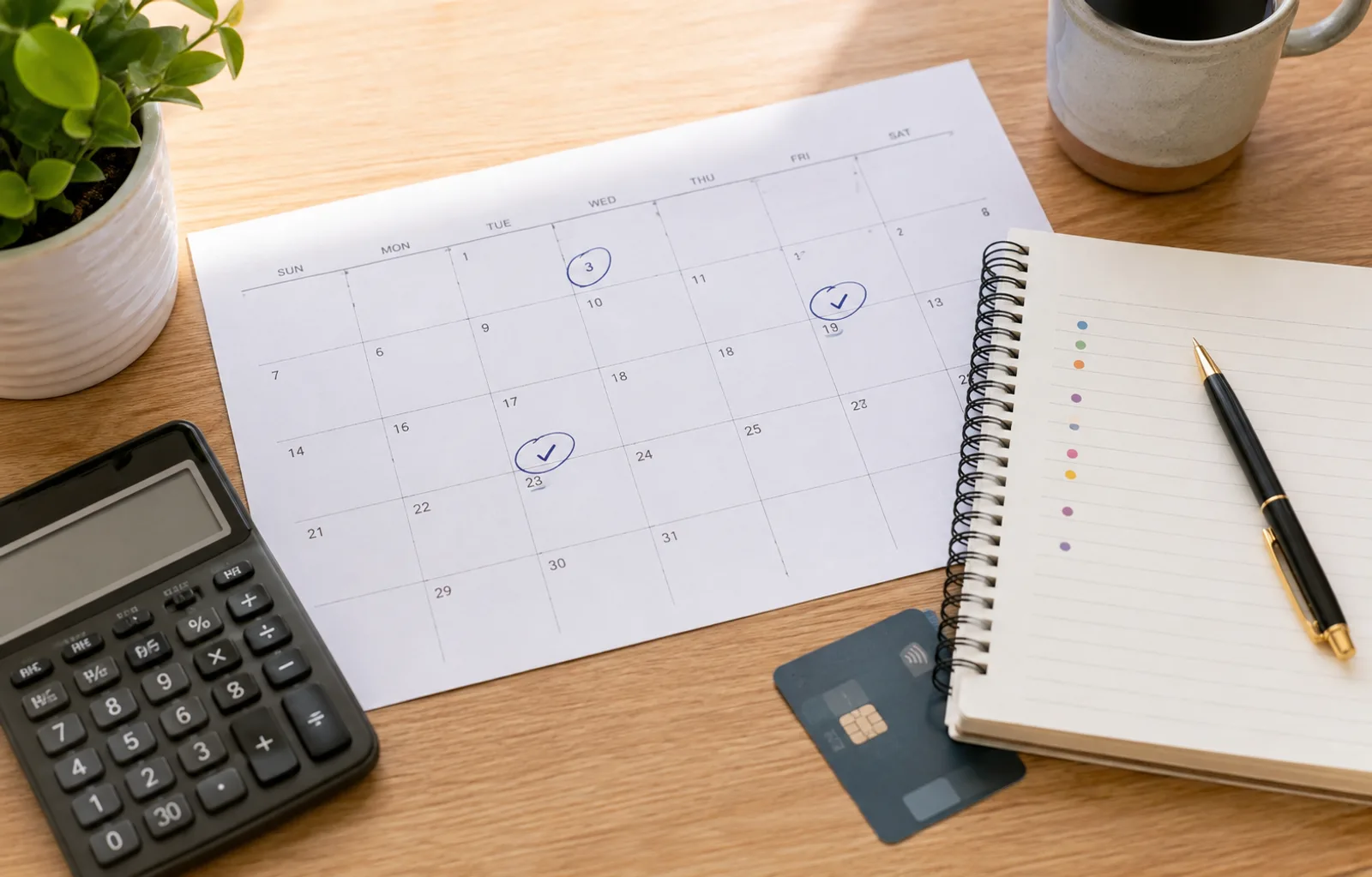
A three-paycheck month budget helps biweekly earners use an extra payday for bills, savings, debt, and upcoming costs instead of letting it disappear.

A cost increase budget helps you respond to price hikes, higher subscriptions, and rising household bills without letting one change disrupt the whole month.
A post-vacation budget reset helps you sort travel charges, refill cash buffers, and return to normal spending without turning one trip into months of money stress.

A reimbursement tracker budget helps you handle work expenses, shared costs, refunds, and money owed back without confusing your real cash flow.
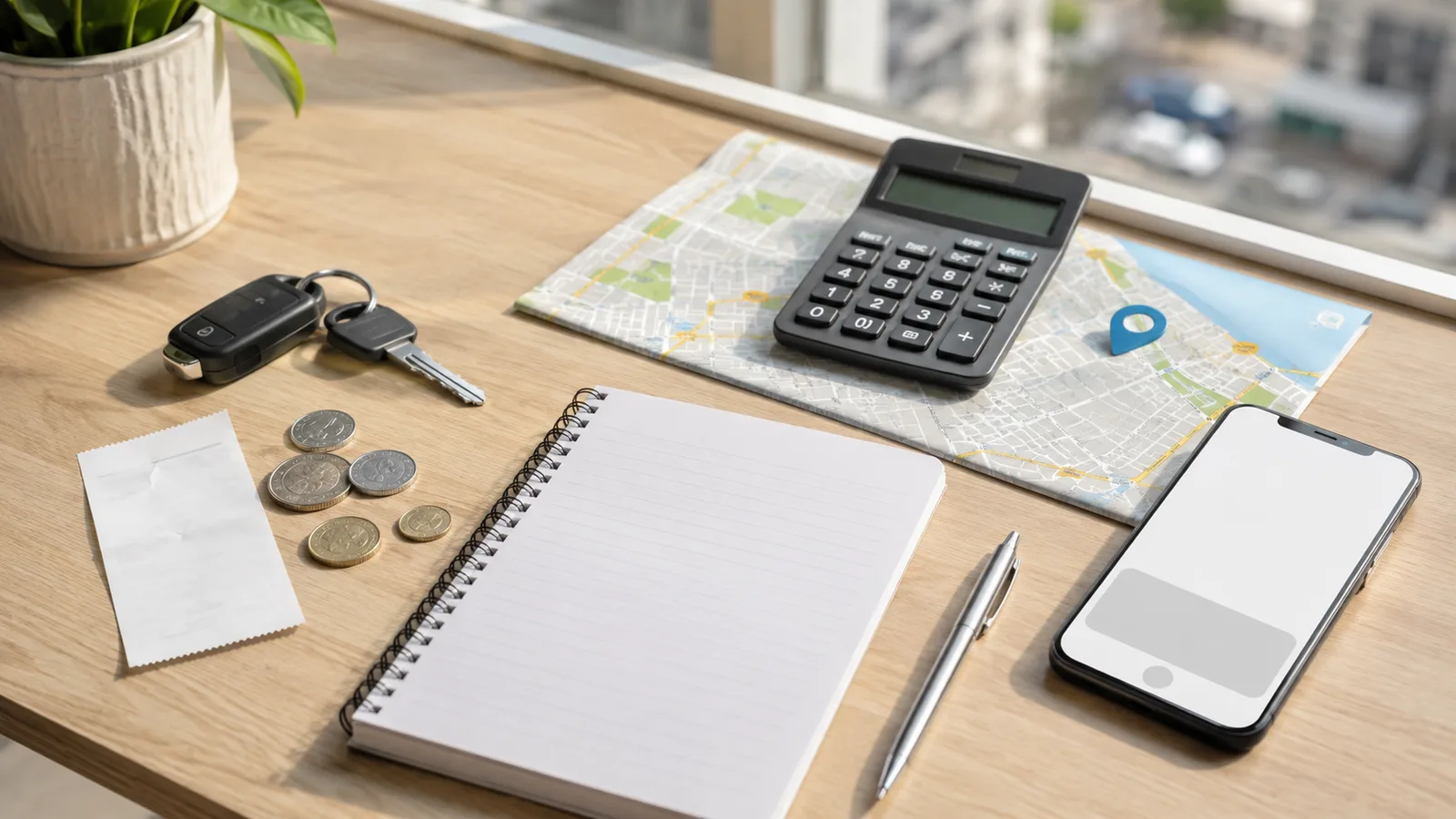
A parking budget helps you plan permits, meters, garages, event parking, and occasional tickets before small driving costs crowd the rest of your month.

A houseguest budget helps you plan groceries, utilities, transport, outings, and household extras before hosting turns into untracked spending.

A dental care budget helps you plan cleanings, fillings, orthodontic costs, supplies, and follow-up visits before oral care turns into a cash-flow surprise.

A laundry budget helps you plan detergent, machines, dry cleaning, repairs, and clothing-care habits before small recurring costs blur into everyday spending.

An emergency fund refill plan helps you recover after a real-life expense, rebuild your cushion, and avoid turning one setback into months of money stress.

An annual fee review helps you catch once-a-year charges early, decide what still earns its place, and keep renewal costs from surprising your budget.
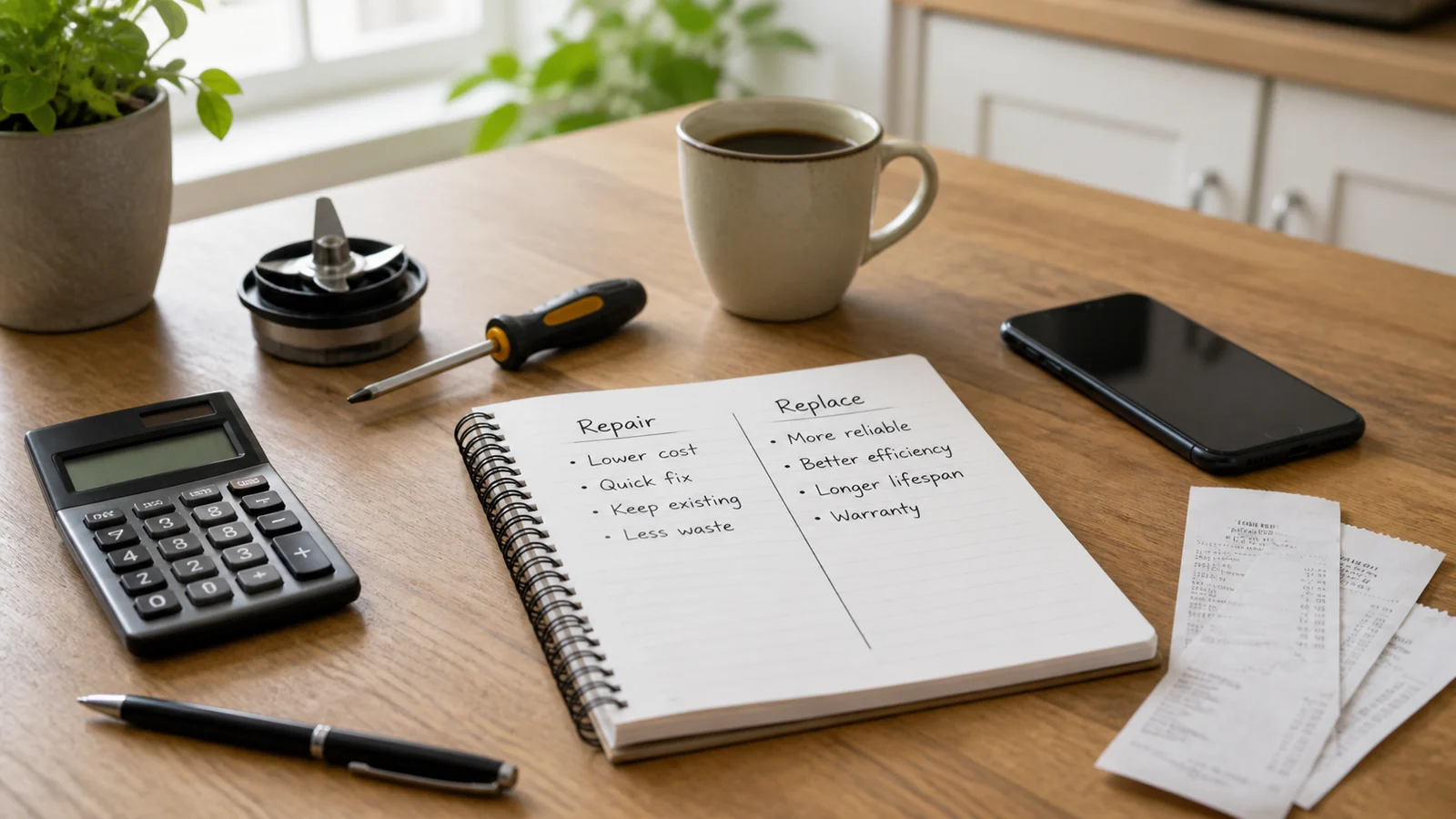
A repair or replace budget helps you decide when to fix an item, when to buy a replacement, and how to avoid rushed spending when something breaks.

A group trip budget helps friends or family plan shared travel costs, split payments clearly, and avoid money confusion before the trip begins.

An income drop budget helps you protect essentials, pause lower-priority spending, and make a calmer plan when your paycheck gets smaller.

A life insurance budget helps you compare coverage needs, premiums, beneficiaries, and cash flow before a policy becomes another confusing monthly bill.
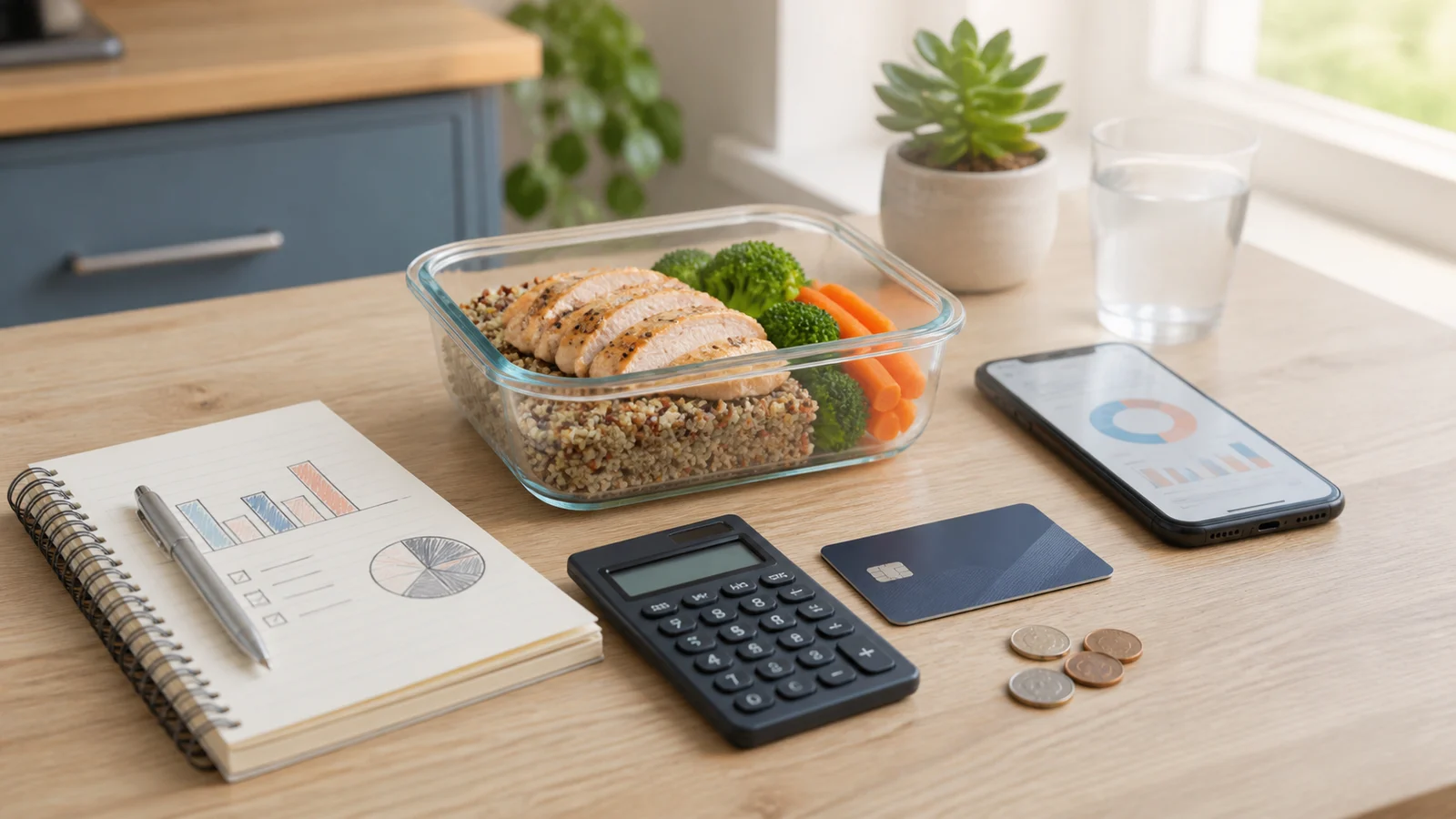
A work lunch budget helps you plan packed meals, cafeteria days, coffee runs, and social lunches before small weekday choices crowd your monthly cash flow.
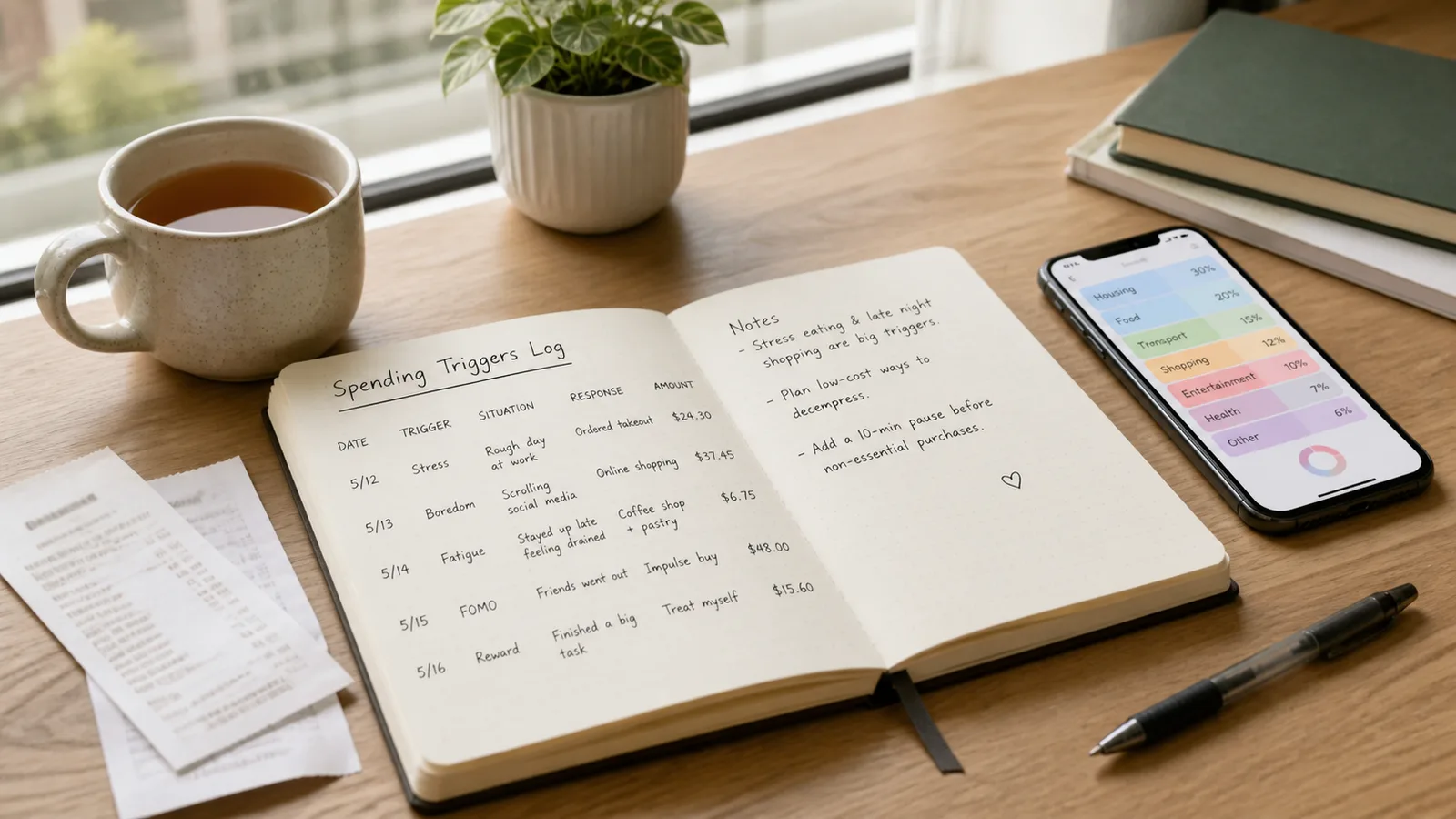
A spending trigger journal helps you notice the situations, moods, routines, and money habits that lead to unplanned purchases before they repeat.

A cost per use budget helps you compare price, usefulness, timing, and cash flow before a purchase becomes another regret in your monthly spending.
A new city budget helps you compare rent, transport, groceries, setup costs, and lifestyle changes before relocation turns into monthly cash-flow stress.

An emergency travel fund helps you set aside money for family visits, last-minute transport, lodging, and travel disruption costs before a rushed trip strains your budget.
A phone replacement fund helps you prepare for repairs, upgrades, accessories, and setup costs without turning your next device into a budget emergency.

A rent increase budget helps you compare the new payment with real cash flow, adjust categories early, and decide whether renewing still fits your life.
A security deposit savings plan helps renters separate move-in cash from normal spending, compare lease costs, and avoid scrambling when the right place appears.

A balance transfer budget helps you compare fees, payment deadlines, cash flow, and spending habits before moving credit card debt to a new account.

A budget burnout plan helps you reduce money-management friction, keep the most useful habits, and make your budget easier to return to after a tiring season.

A hobby budget helps you keep creative, social, and personal interests in your life without letting supplies, fees, upgrades, and impulse buys crowd your monthly plan.
A credit card rewards budget helps you use points, miles, or cash back as a bonus instead of a reason to spend more than planned.
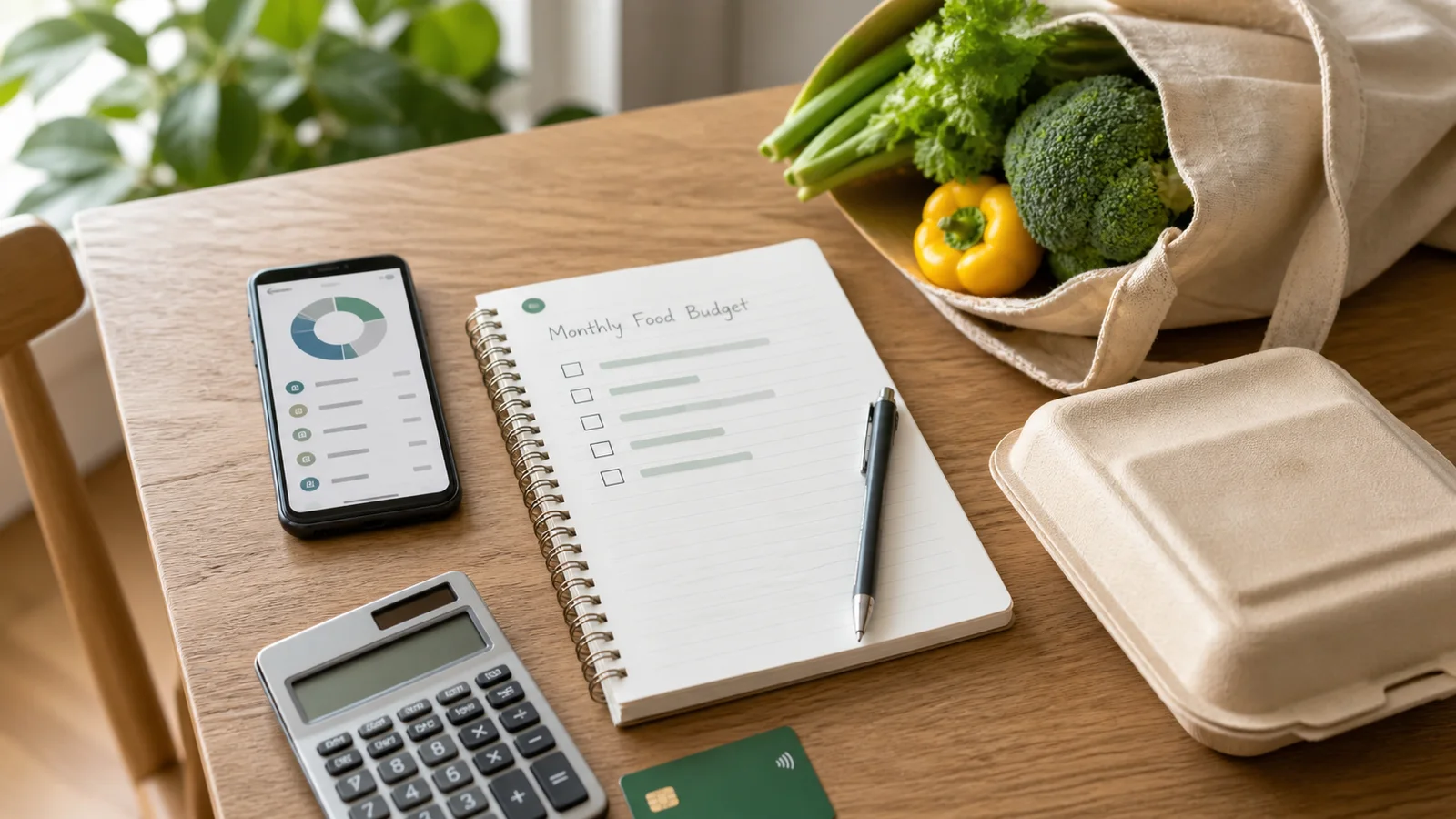
A convenience spending budget helps you plan delivery, rides, shortcuts, and small time-saving purchases without letting them blur into unnoticed monthly spending.
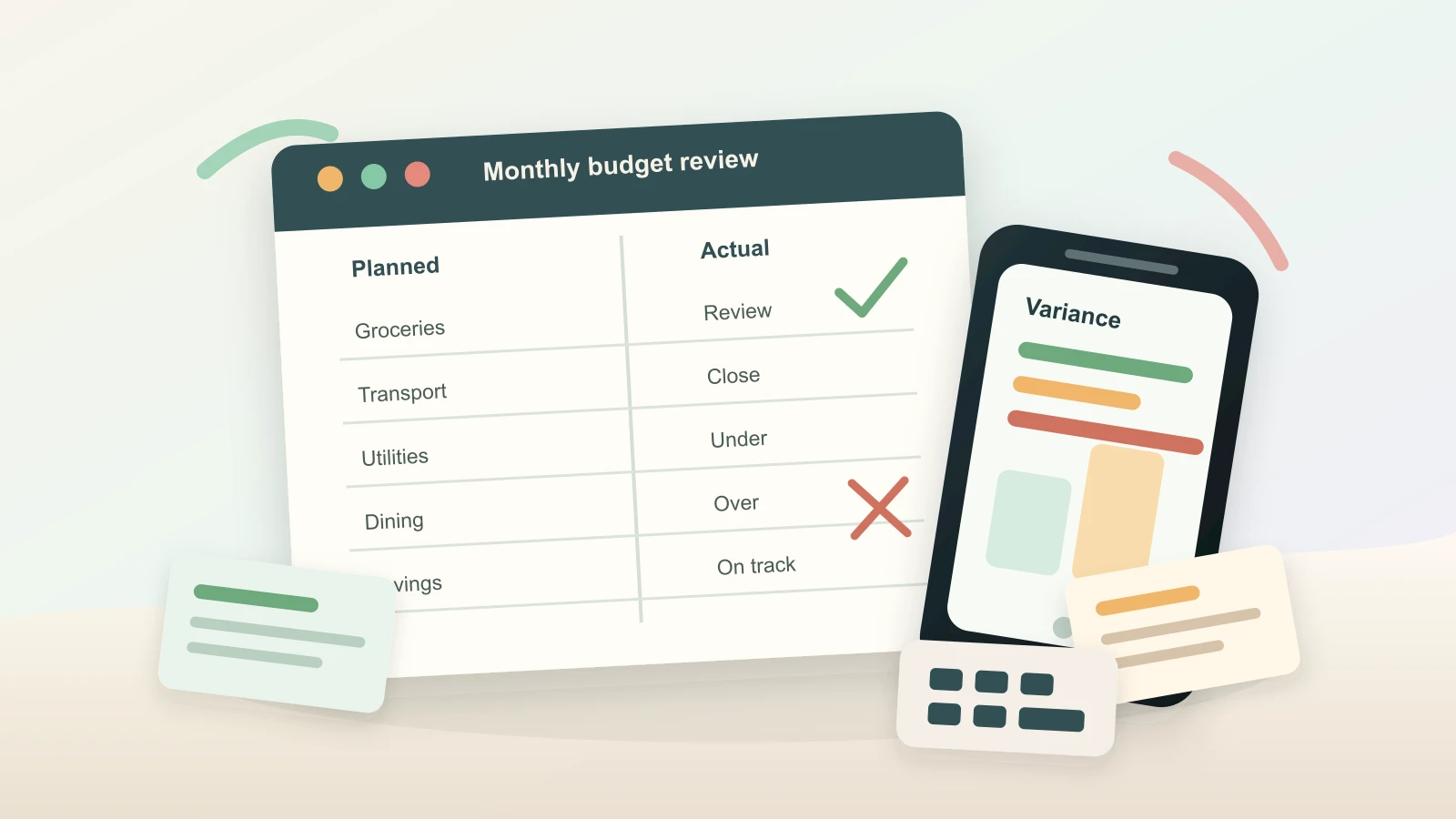
A budget variance review helps you compare planned spending with real spending, understand the reason for the gap, and make next month's budget more realistic.
A professional development budget helps you plan courses, certifications, books, tools, and career events without letting growth goals crowd everyday cash flow.
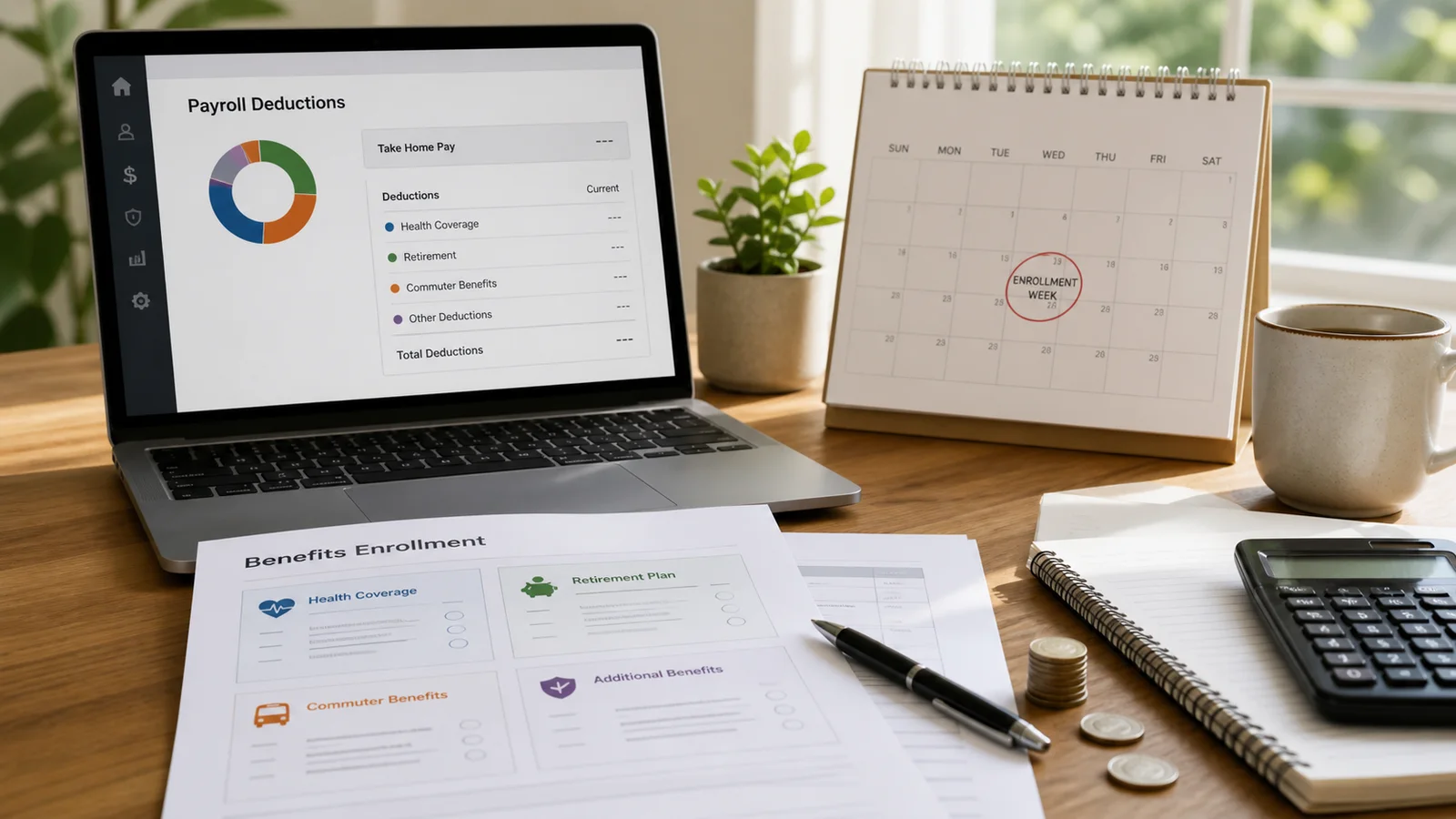
An employee benefits budget helps you compare paycheck deductions, coverage choices, retirement contributions, and work perks before enrollment changes your take-home pay.
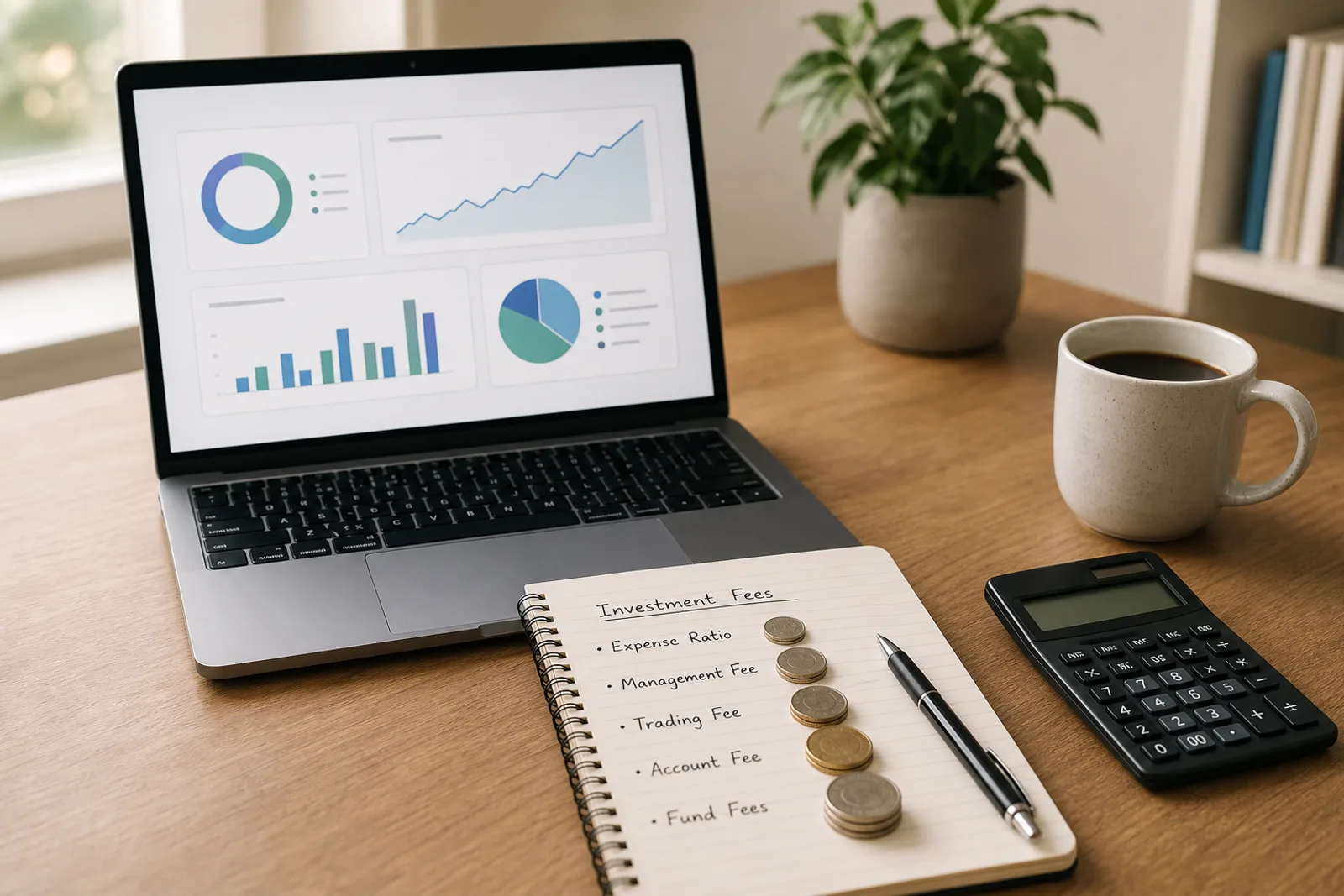
Investment fees can quietly reduce long-term progress. Learn the common costs beginners should check before choosing an account, fund, or investing service.

A down payment savings plan helps you turn a future home purchase into steady monthly steps while keeping rent, bills, emergencies, and everyday life visible.

A home maintenance budget checklist helps you plan small repairs, seasonal upkeep, supplies, and service calls before home costs disrupt your cash flow.
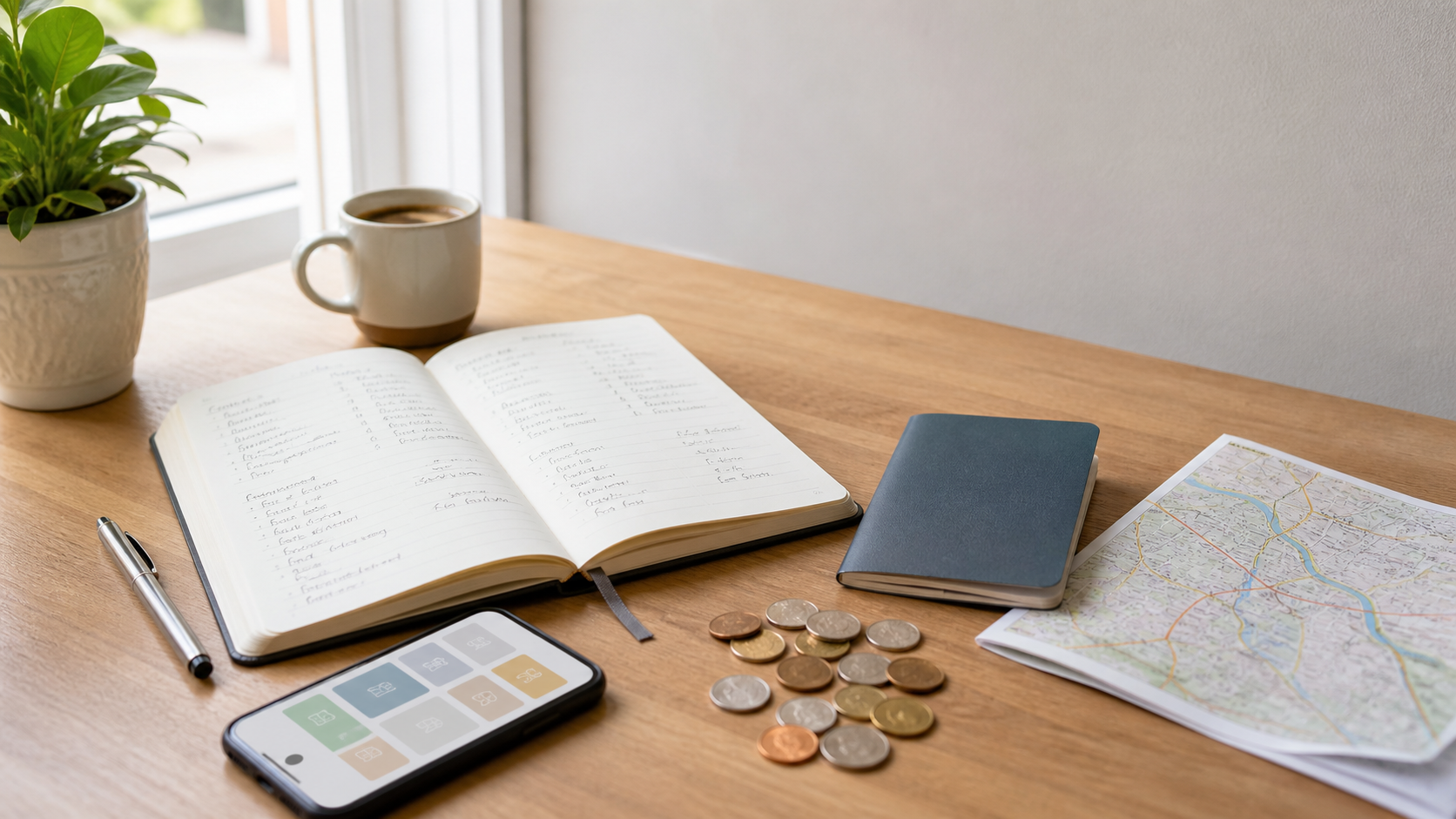
A travel sinking fund helps you turn future flights, hotels, meals, and small trip costs into steady monthly savings instead of last-minute debt.

A household supplies budget helps you plan cleaning products, toiletries, paper goods, laundry items, and small home basics before restocks crowd your grocery money.
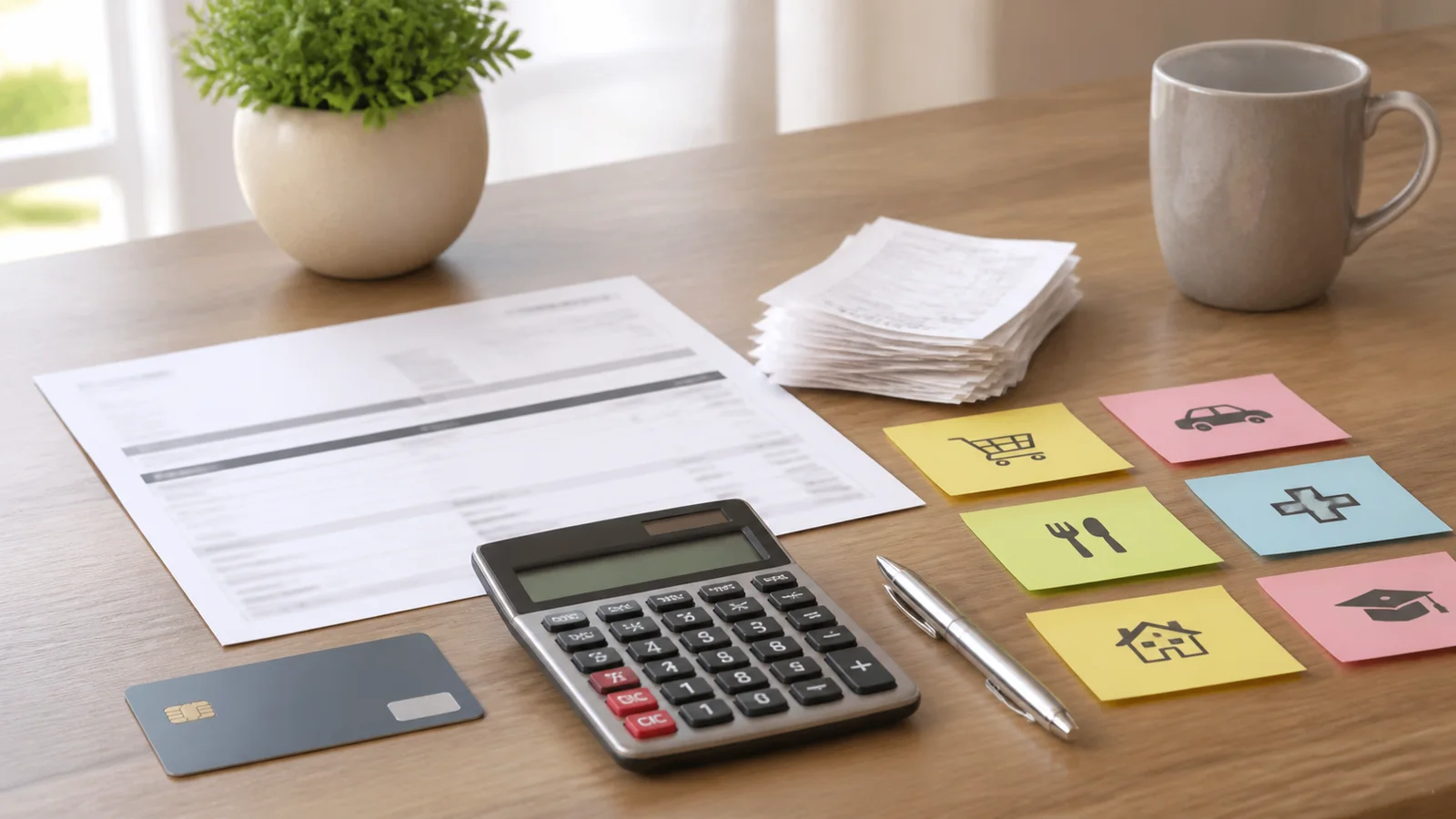
A credit card statement review helps you catch fees, interest, due dates, payment traps, and spending patterns before your card balance starts steering the budget.

An aging parent budget helps you plan shared bills, care-related costs, travel, and emergency support while keeping your own cash flow visible.
A medical appointment budget helps you plan visit fees, prescriptions, tests, transport, and follow-ups so health costs do not surprise your cash flow.

A job offer budget helps you compare salary, benefits, commute costs, pay timing, and lifestyle changes before a new role reshapes your money.

A first apartment budget helps you compare rent, deposits, utilities, furniture, and everyday costs before a new lease strains your money.
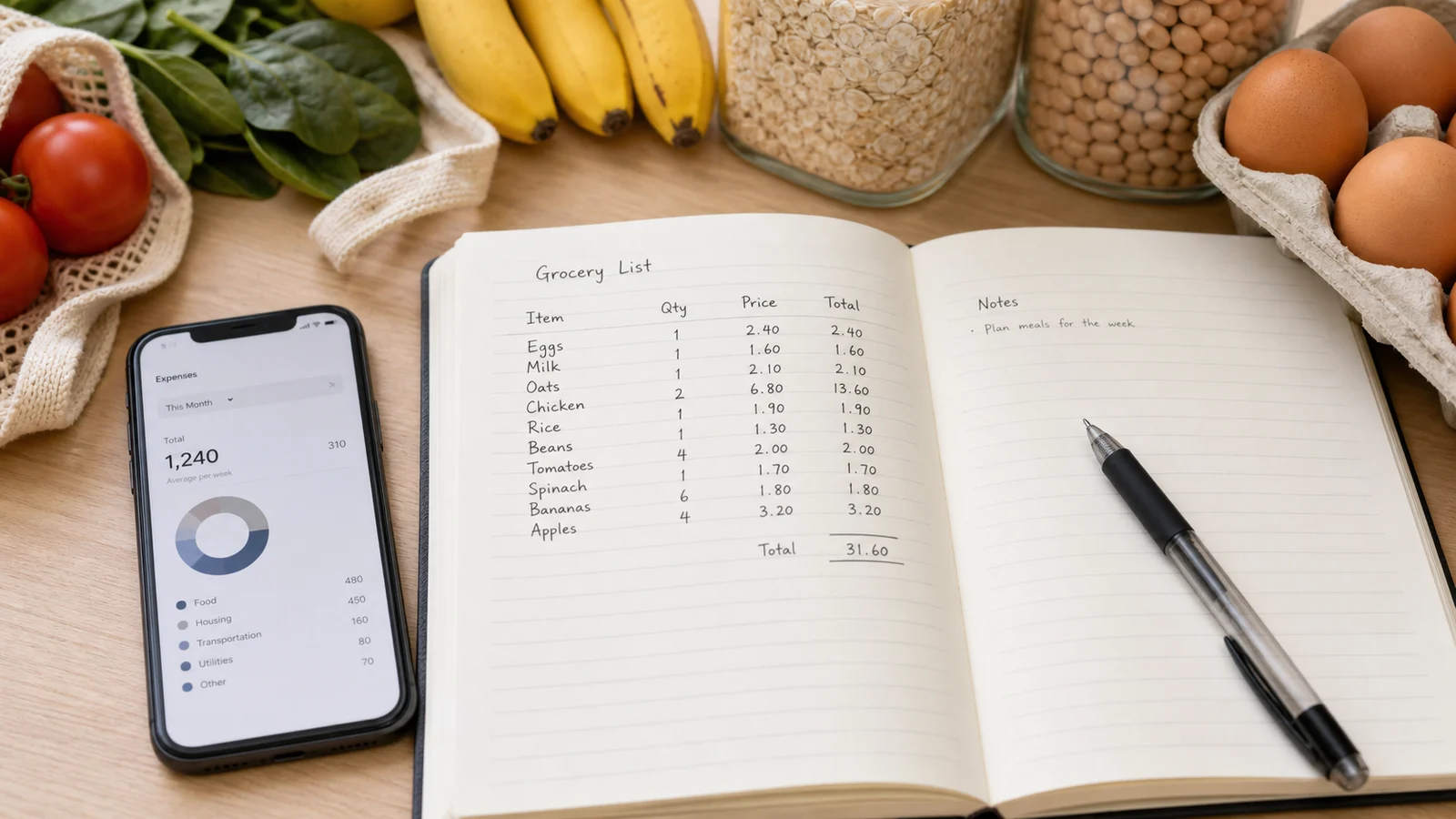
A grocery price book helps you compare the real cost of everyday staples, spot useful sales, and plan food spending before checkout surprises your budget.
A pay stub review helps you understand what actually reaches your account, spot deduction changes, and build a budget around real take-home pay.

A home inventory checklist helps renters and homeowners document belongings, estimate replacement needs, and make insurance or emergency planning less chaotic.
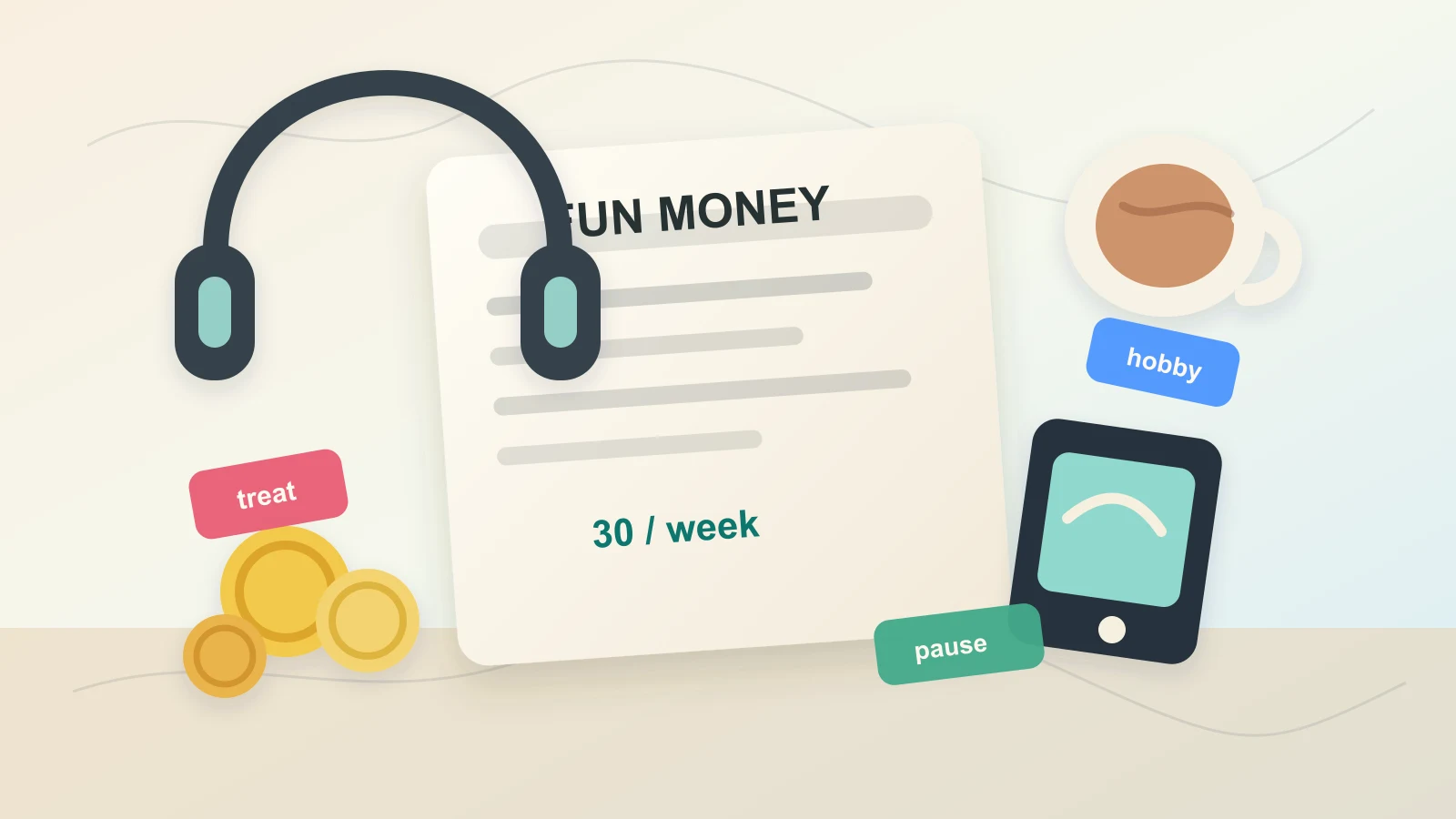
A fun money budget gives everyday treats, hobbies, and impulse spending a clear limit so you can enjoy life without losing track of the rest of your plan.

A childcare budget helps families plan recurring care costs, deposits, backup care, schedule changes, and payment timing without letting one line item distort the whole month.

A payday budget routine helps you assign money to bills, savings, debt, and flexible spending before the paycheck quietly disappears.

A friendship budget helps you enjoy plans with people you care about while keeping everyday spending visible and realistic.

A net worth tracker helps you see assets, debts, and long-term progress in one simple view so money decisions feel less scattered.

A holiday spending plan helps you map gifts, travel, meals, events, and giving before seasonal costs quietly crowd your everyday budget.

Debt snowball vs avalanche is a practical choice between quick wins and interest savings. Learn how to compare both methods and build a payoff plan around your real budget.
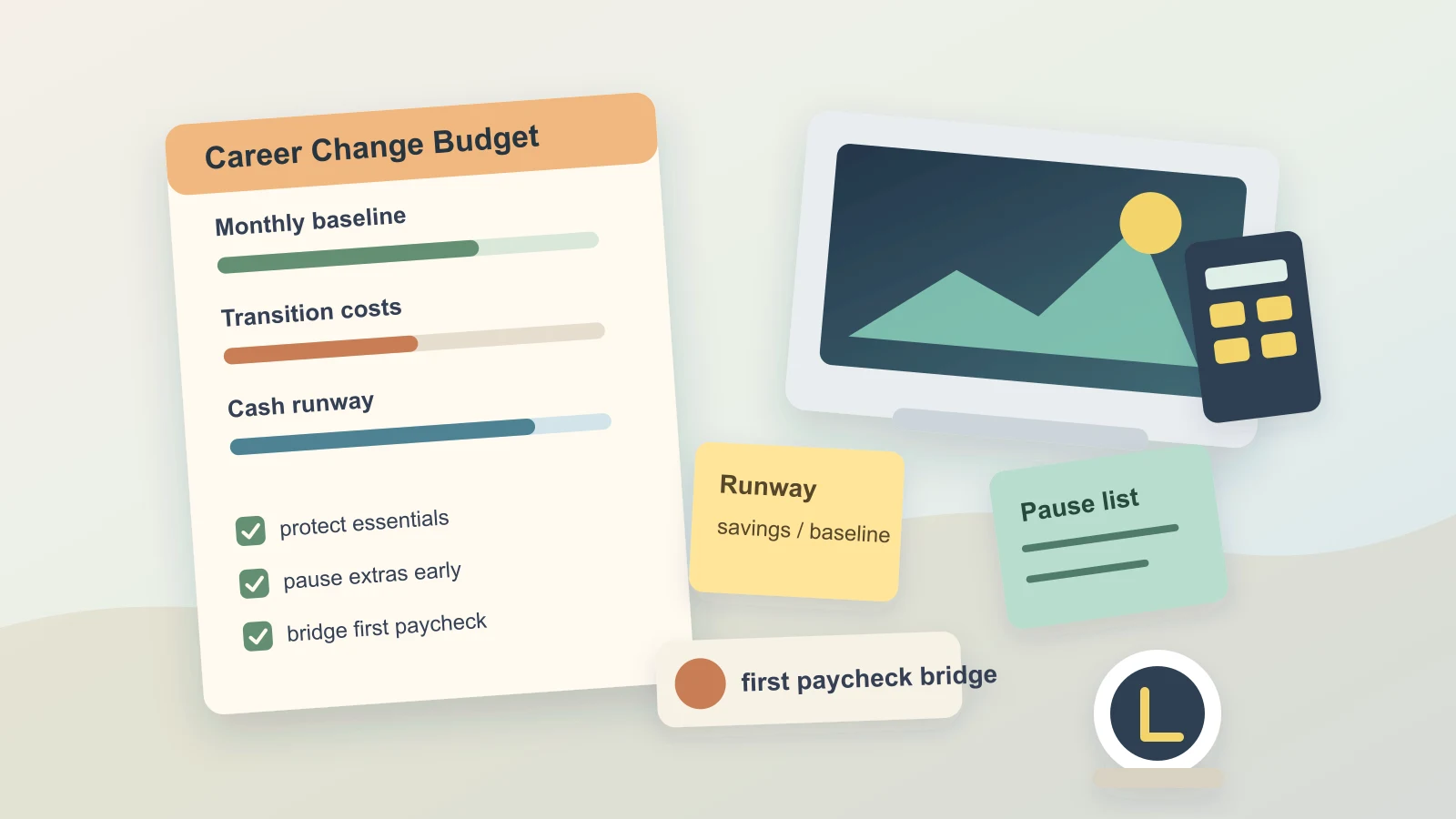
A career change budget helps you prepare for income gaps, training costs, benefits changes, and slower first months before a job switch strains your money.
A wedding guest budget helps you plan gifts, travel, outfits, events, and time off before one celebration turns into months of money stress.

A phone plan audit helps you review data, lines, add-ons, device payments, and billing habits so your mobile bill fits your real life and budget.
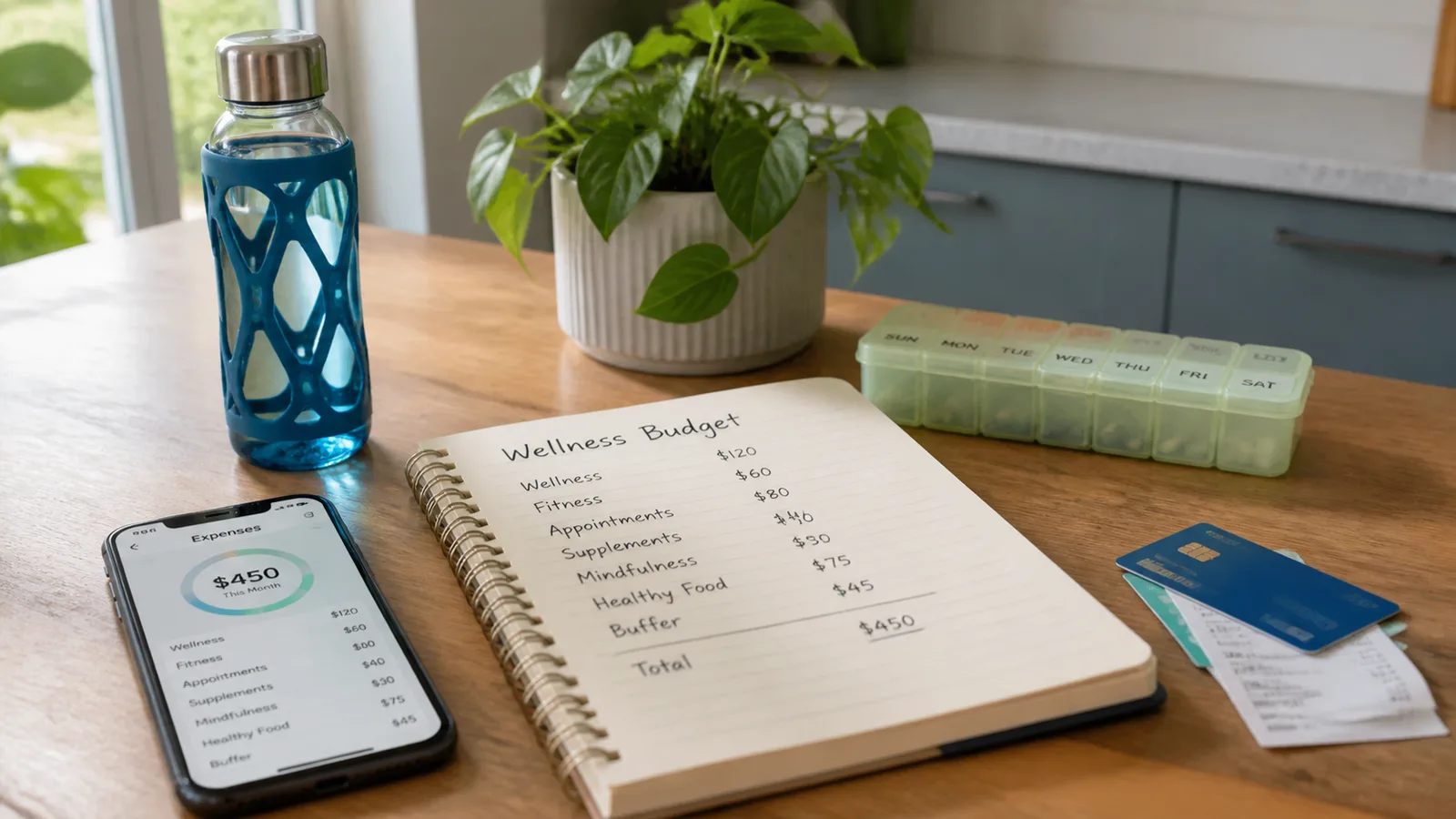
A wellness budget helps you plan everyday health, fitness, appointments, and self-care costs so they support your life without surprising your cash flow.
A home office budget helps you separate must-have work tools from nice-to-have upgrades, plan replacements, and keep remote work costs visible.

A debt payoff pause plan helps you protect essentials, avoid panic decisions, and restart progress after a tight month or temporary income squeeze.
An appliance replacement fund helps you prepare for refrigerators, washers, laptops, and other household tools before a sudden failure turns into debt.

A wardrobe budget helps you plan clothes, shoes, repairs, and replacements around real life so style spending does not quietly crowd your monthly money plan.
A commute budget helps you compare transit, fuel, parking, ride-hailing, and workday habits so getting to work does not quietly strain your monthly plan.
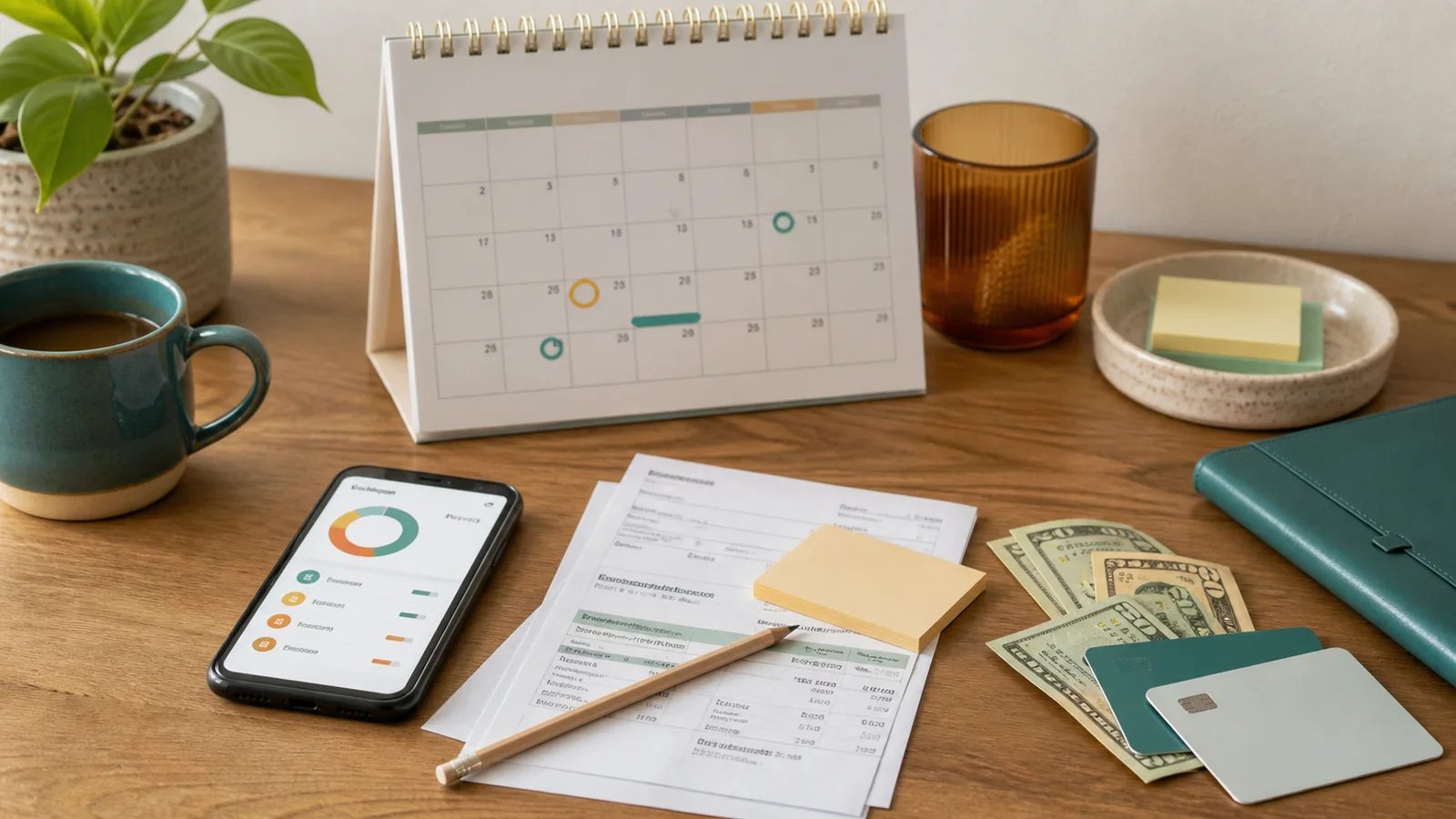
An insurance renewal checklist helps you review premiums, deductibles, coverage limits, and budget timing before another policy renews on autopilot.

A digital envelope budget helps you give each spending category a clear limit while keeping cards, bank accounts, and payment apps easier to manage.
An overspending recovery plan helps you stop the spiral, protect essentials, adjust the next few weeks, and learn from the pattern without turning one mistake into a money crisis.
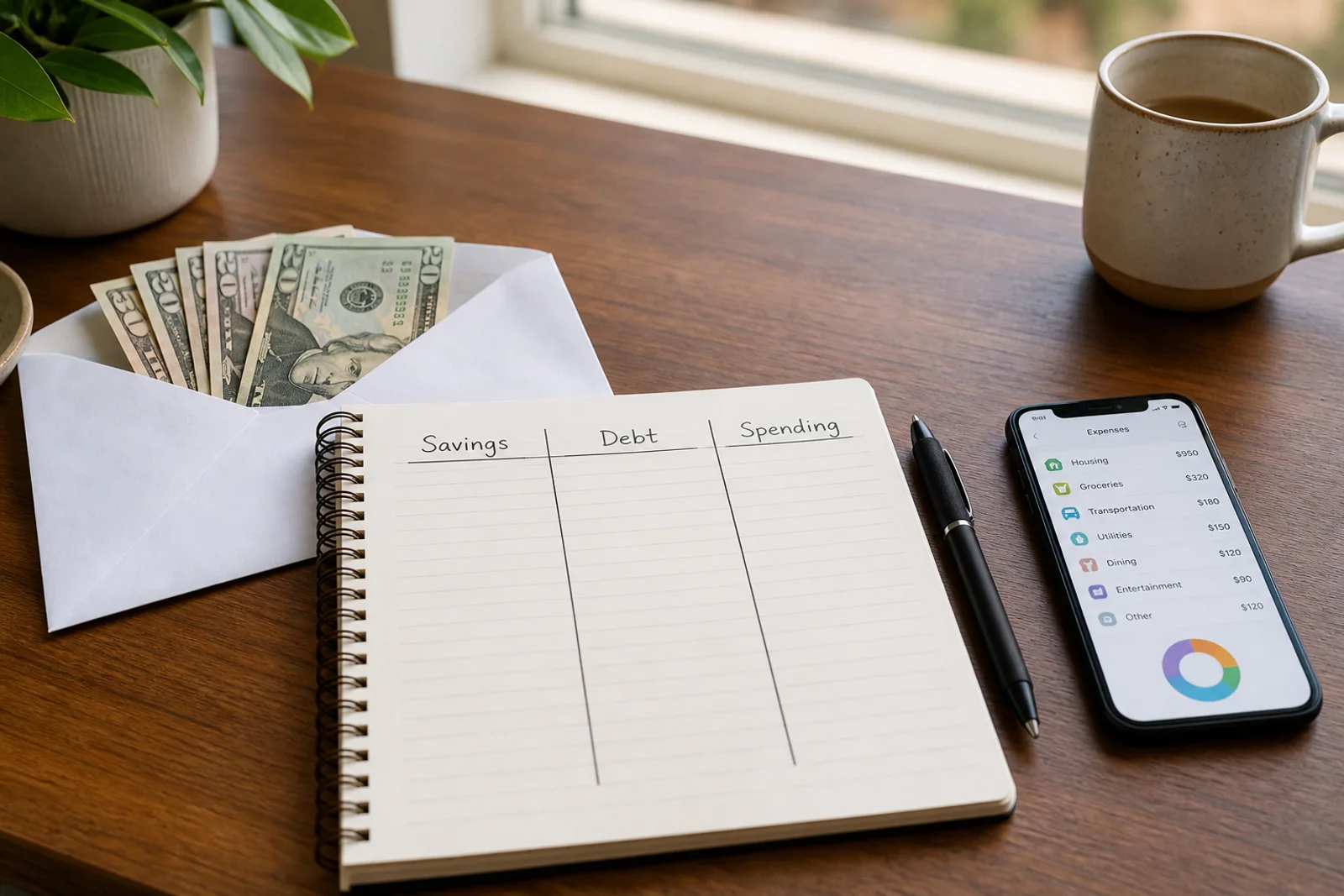
A windfall money plan helps you use bonuses, refunds, gifts, and surprise income with intention before the extra cash disappears into everyday spending.
A buy now, pay later budget helps you track installments, avoid payment pileups, and decide when splitting a purchase is worth the future pressure.

Investment risk tolerance is easier to understand when you connect it to your budget, timeline, emergency savings, and ability to stay calm through ups and downs.
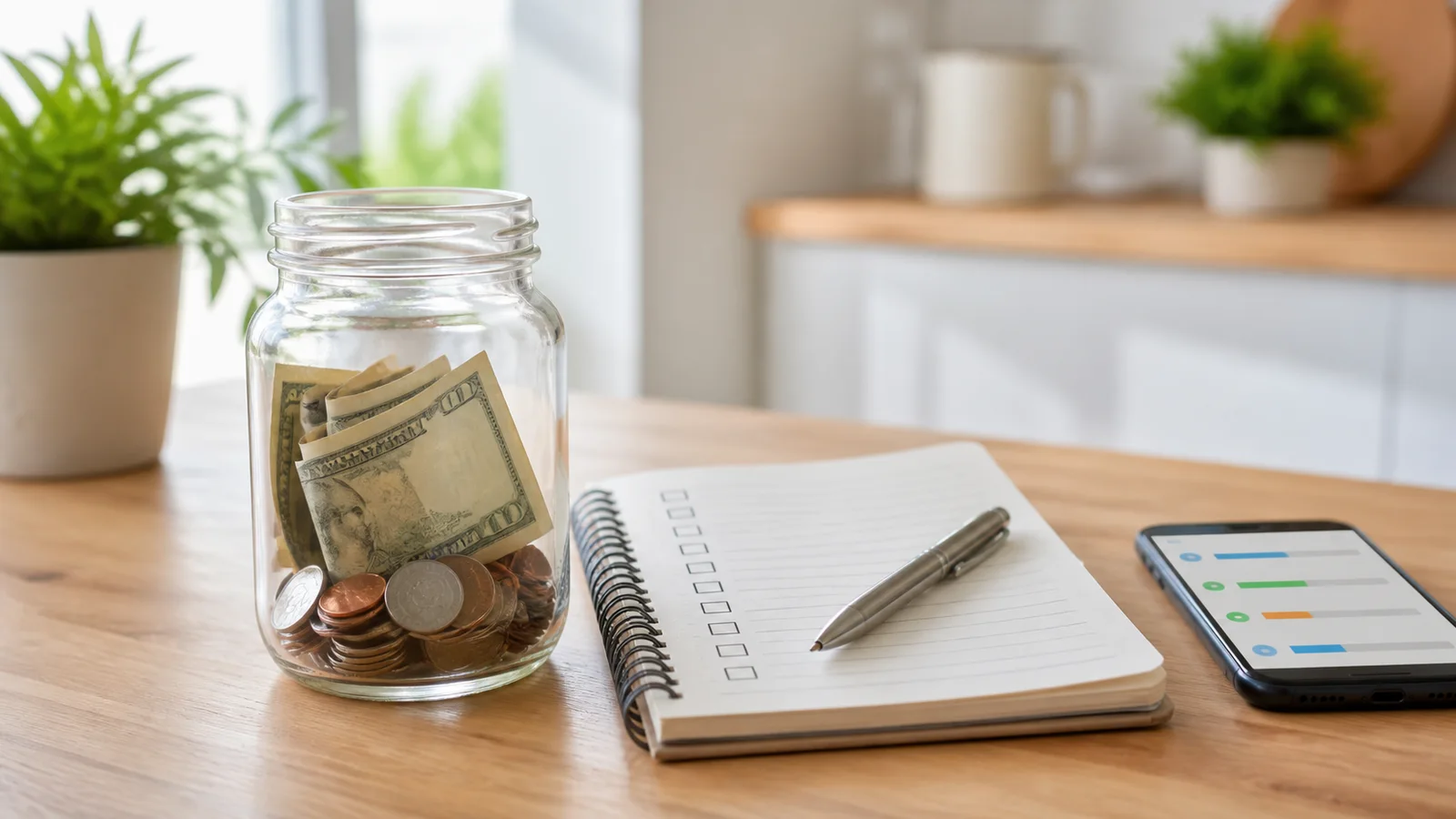
A starter emergency fund gives your budget a first layer of protection before surprise costs turn into credit-card debt or late bills.
A money date checklist gives couples and shared households a calm routine for reviewing spending, bills, goals, and small decisions before they become arguments.

A baby budget checklist helps new parents prepare for one-time setup costs, recurring supplies, medical bills, childcare, and income changes before the due date.

A meal plan budget helps you connect groceries, leftovers, takeout, and busy nights so food spending stays useful instead of scattered.

A moving budget checklist helps you plan deposits, overlap costs, supplies, transport, setup fees, and first-month expenses before moving day strains your cash flow.
A bill priority plan helps you protect essentials, avoid avoidable fees, and make calmer decisions when there is not enough money to cover everything at once.
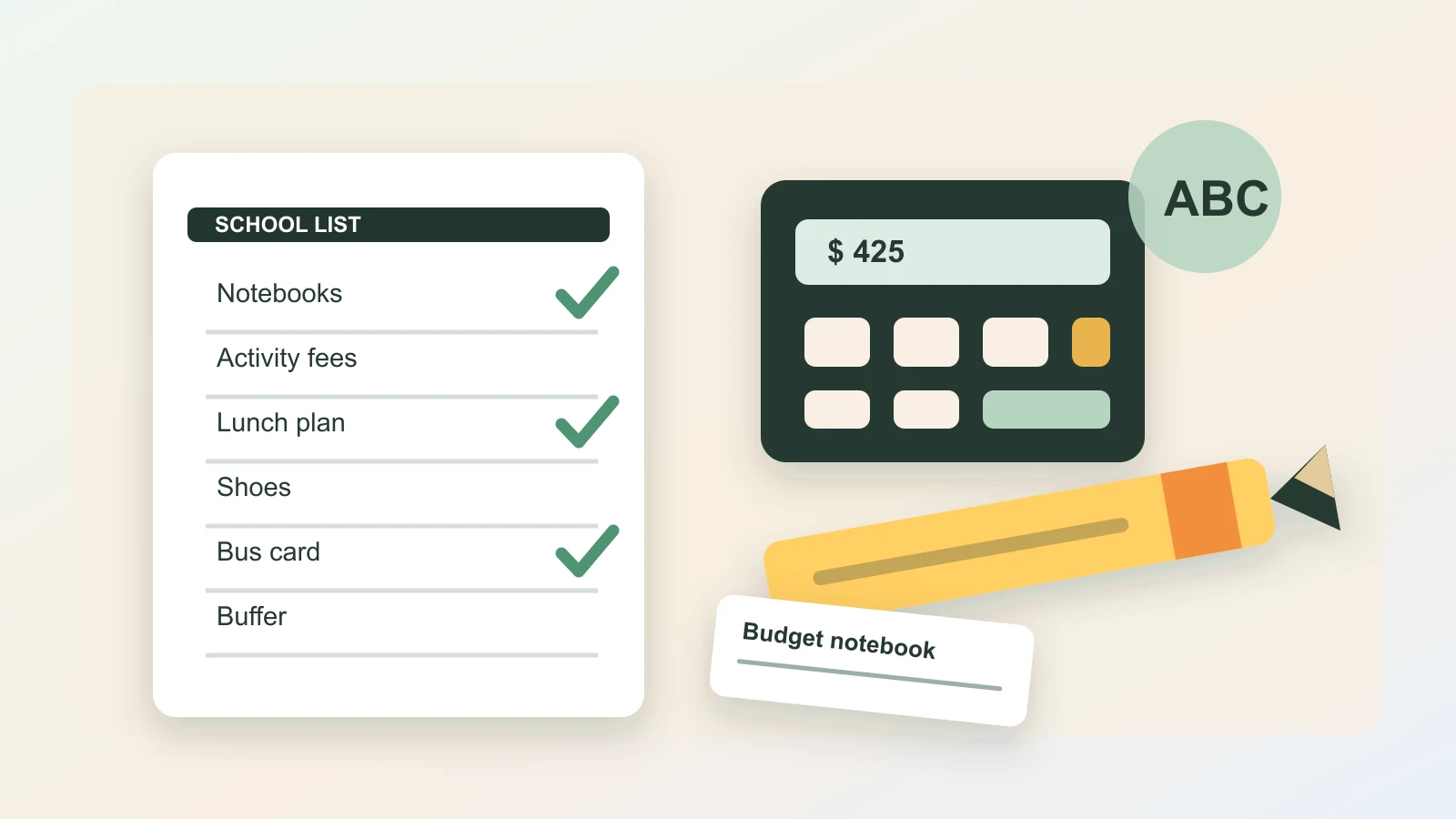
A back-to-school budget helps families prepare for supplies, clothes, activities, lunches, and schedule changes before the new term strains everyday spending.

A gift budget plan helps you prepare for birthdays, holidays, weddings, and family occasions without letting thoughtful gestures derail your monthly money plan.
A utility bill budget helps you smooth out electricity, gas, water, and internet costs before seasonal spikes crowd the rest of your monthly plan.
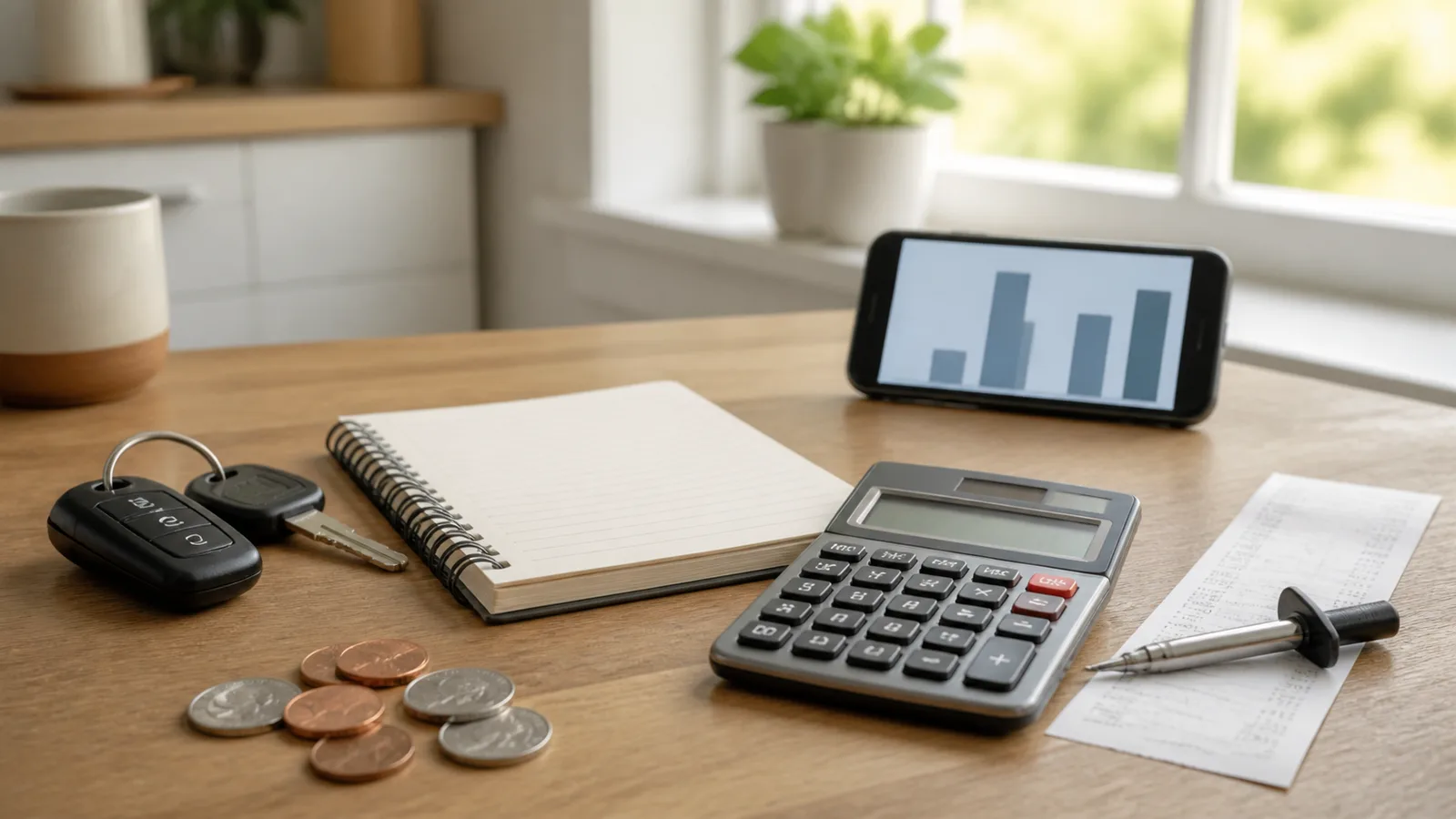
A car maintenance fund helps you plan for oil changes, tires, repairs, and registration costs before vehicle expenses crowd your monthly budget.
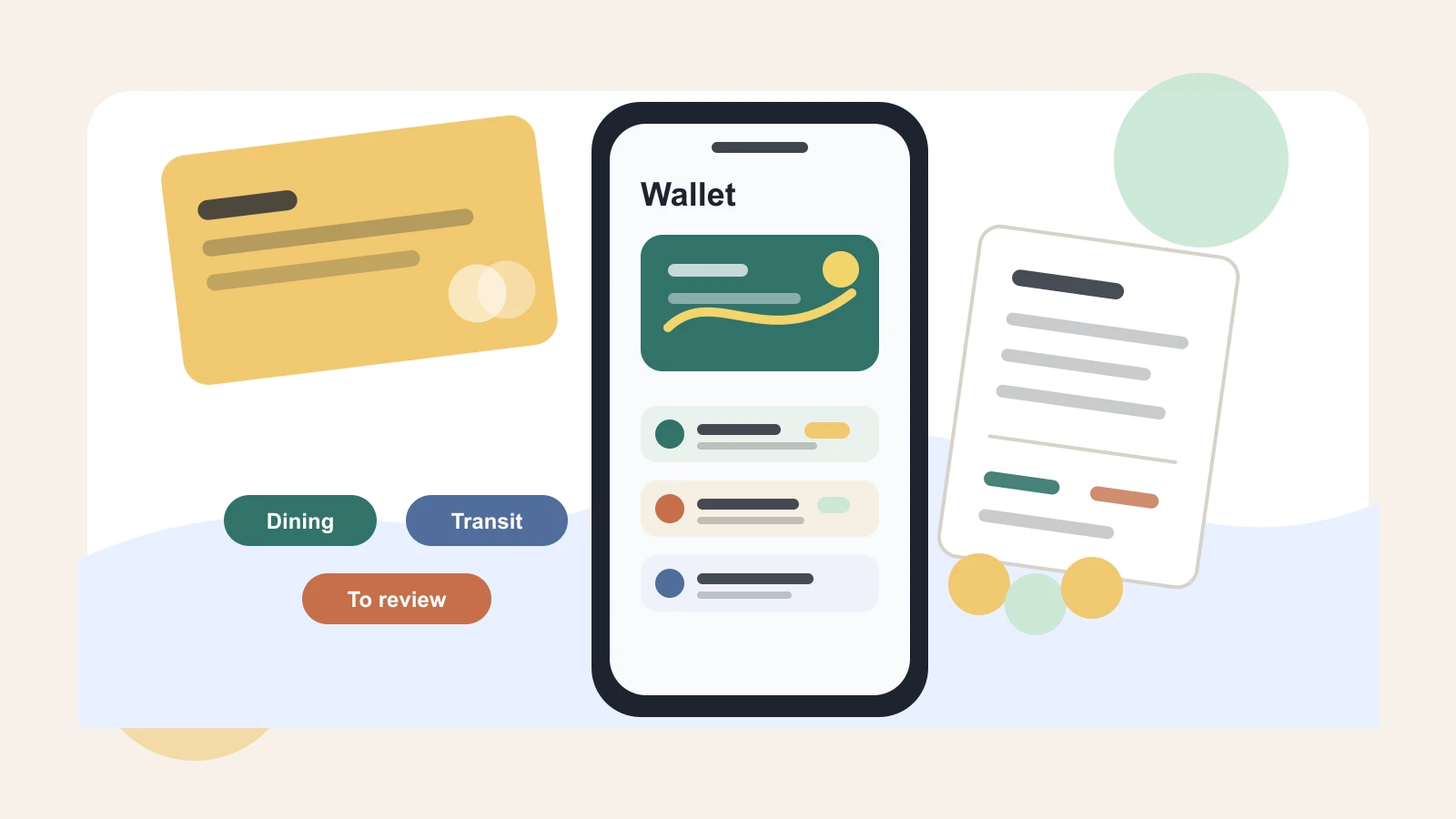
A digital wallet budget helps you track tap-to-pay purchases, payment apps, transfers, and small mobile charges before they blur into one messy spending category.
A lifestyle creep budget helps you enjoy higher income while protecting bills, savings, debt payoff, and the parts of life that actually matter.
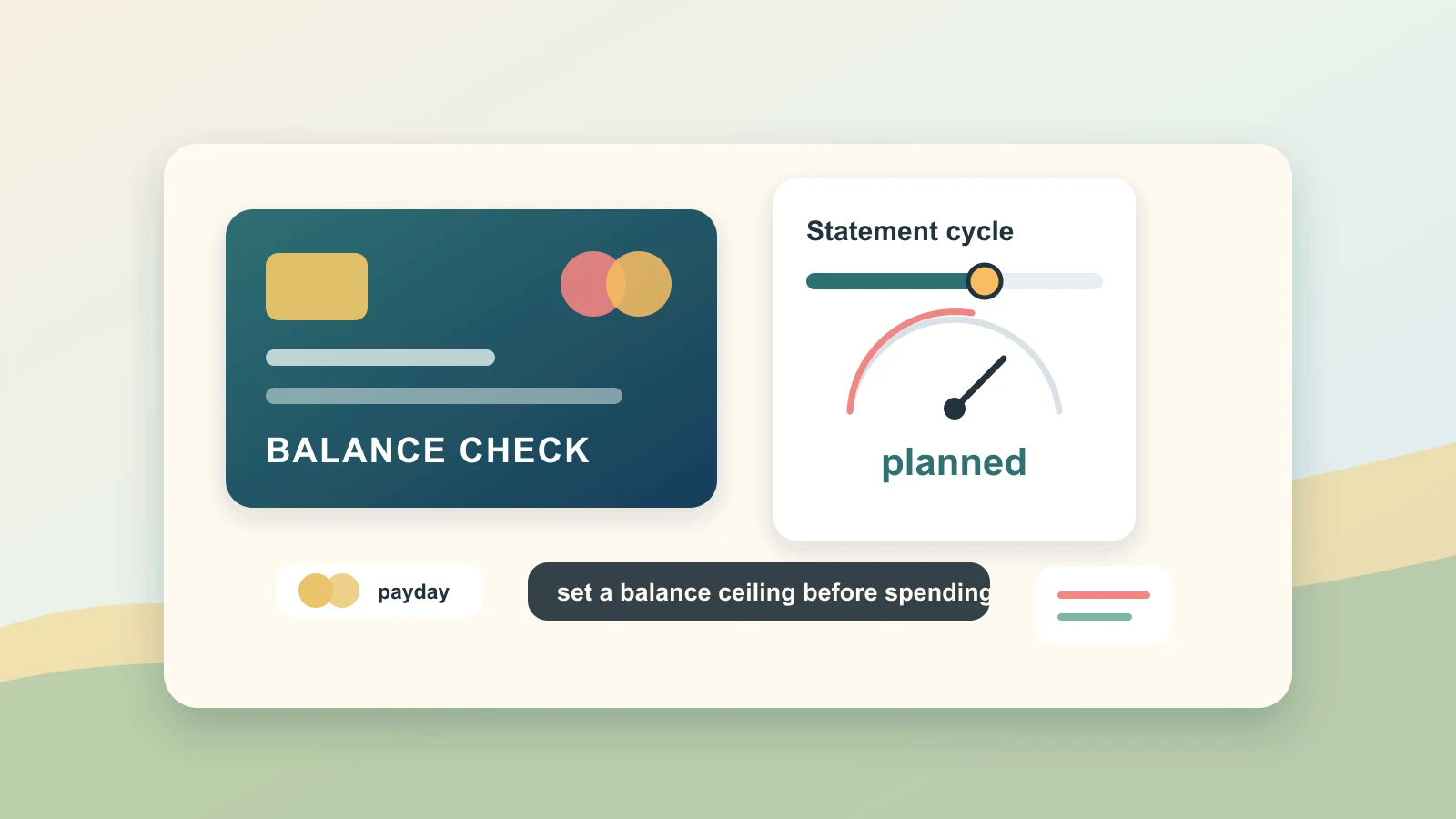
A credit utilization budget helps you plan card spending around statement balances, payment timing, and everyday cash flow before debt feels crowded.
An autopay audit helps you review automatic bills, due dates, subscriptions, and payment accounts before small surprises turn into budget stress.
A single-income month budget helps your household adjust quickly when one paycheck pauses, shrinks, or arrives late without turning every decision into panic.

A no-spend weekend plan helps you pause impulse purchases, use what you already have, and make your budget feel calmer by Monday.
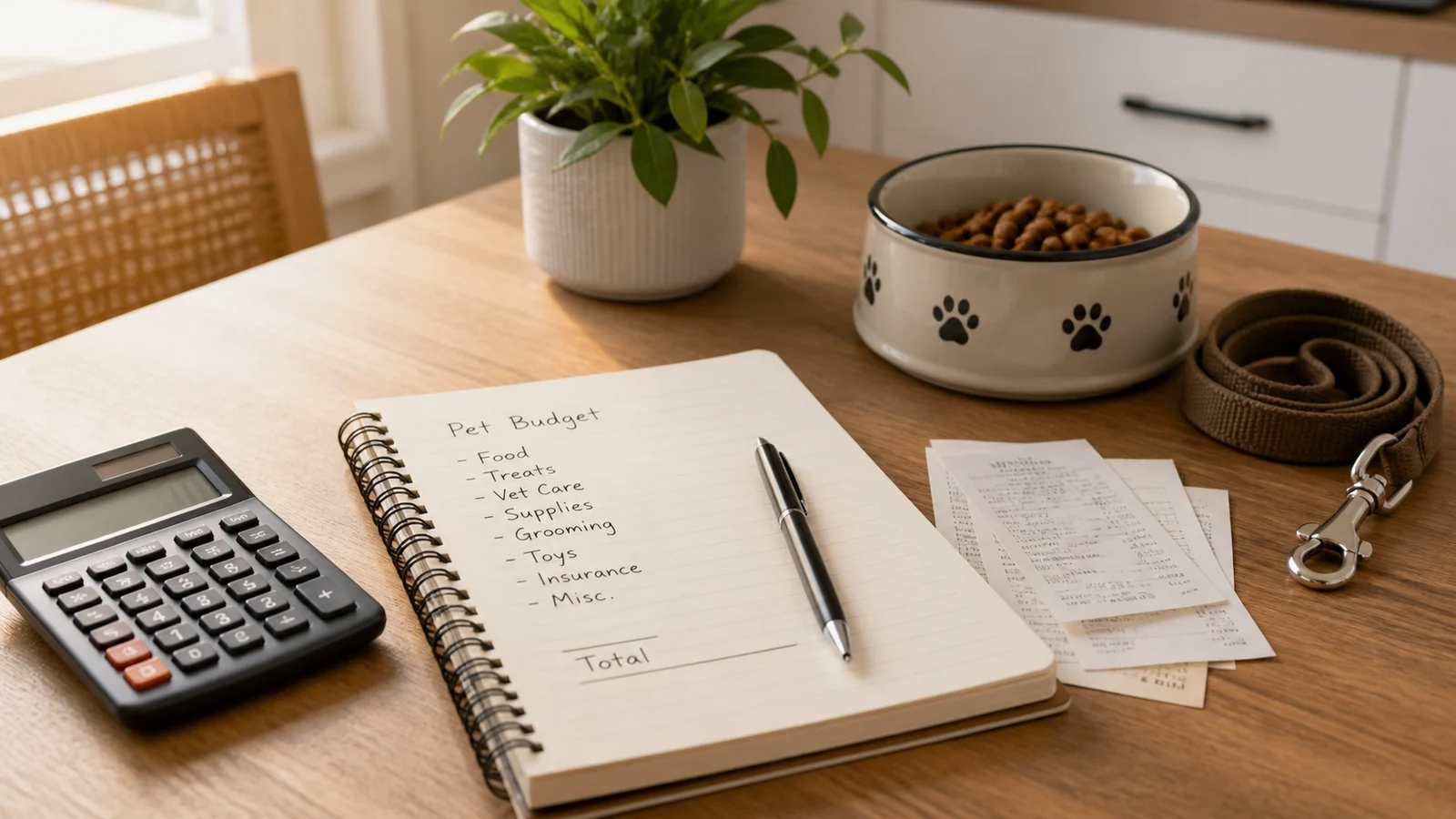
A pet budget checklist helps you plan food, care, supplies, insurance, and surprise expenses before they turn into stressful credit card charges.
A refund tracker budget helps you follow returns, reimbursements, store credits, and pending refunds until the money is actually back in your plan.

Family money boundaries help you support people you care about while keeping your own bills, savings, and financial stress in view.

A roommate budget helps everyone see shared bills, personal spending, due dates, and repayment rules before small money issues turn awkward.

A financial reset day helps you catch up on missed tracking, clean up categories, and make a calmer plan for the next pay cycle or month.
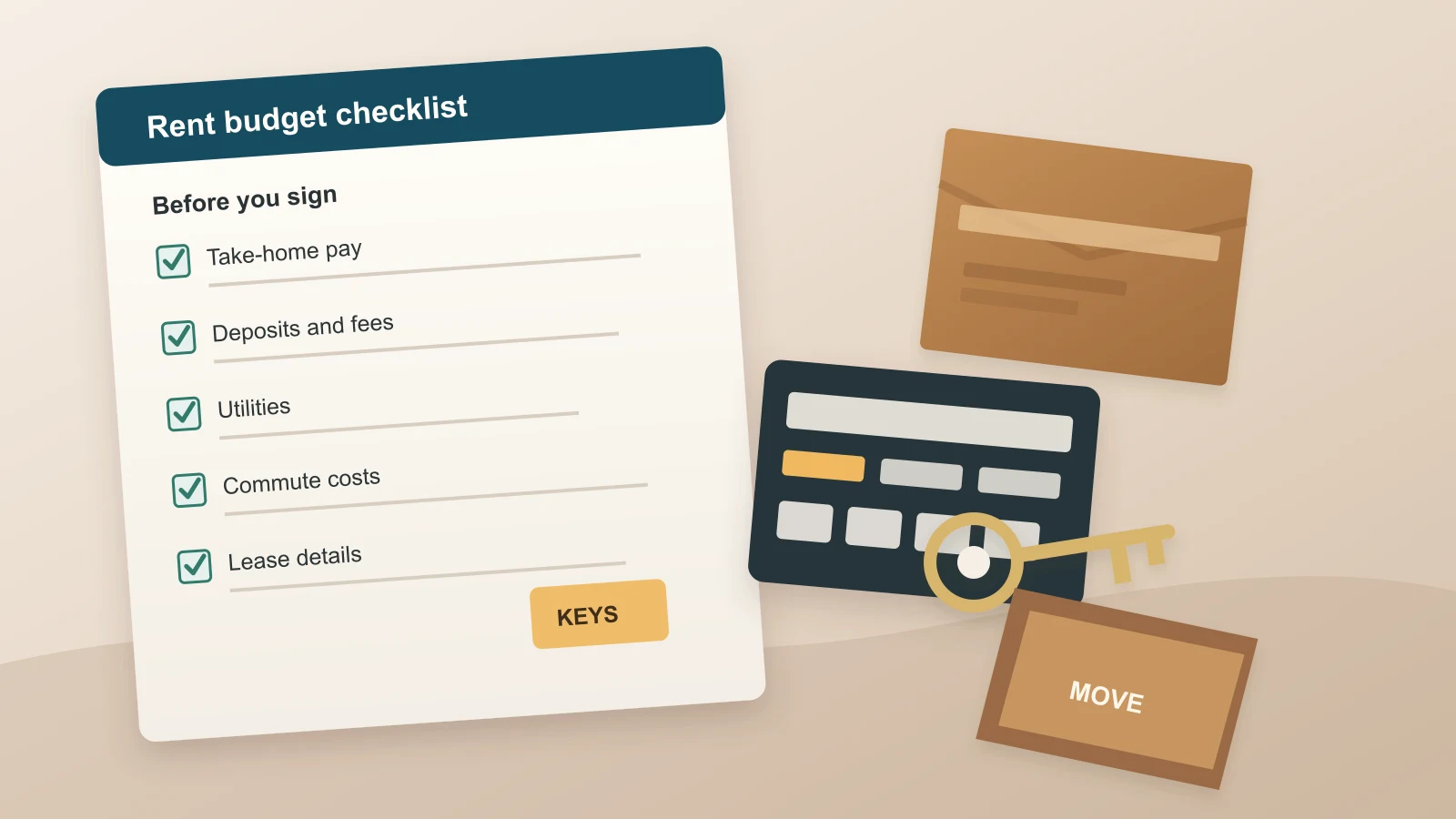
A rent budget checklist helps you look beyond the monthly rent, compare apartments more clearly, and avoid moving into a place that strains every paycheck.
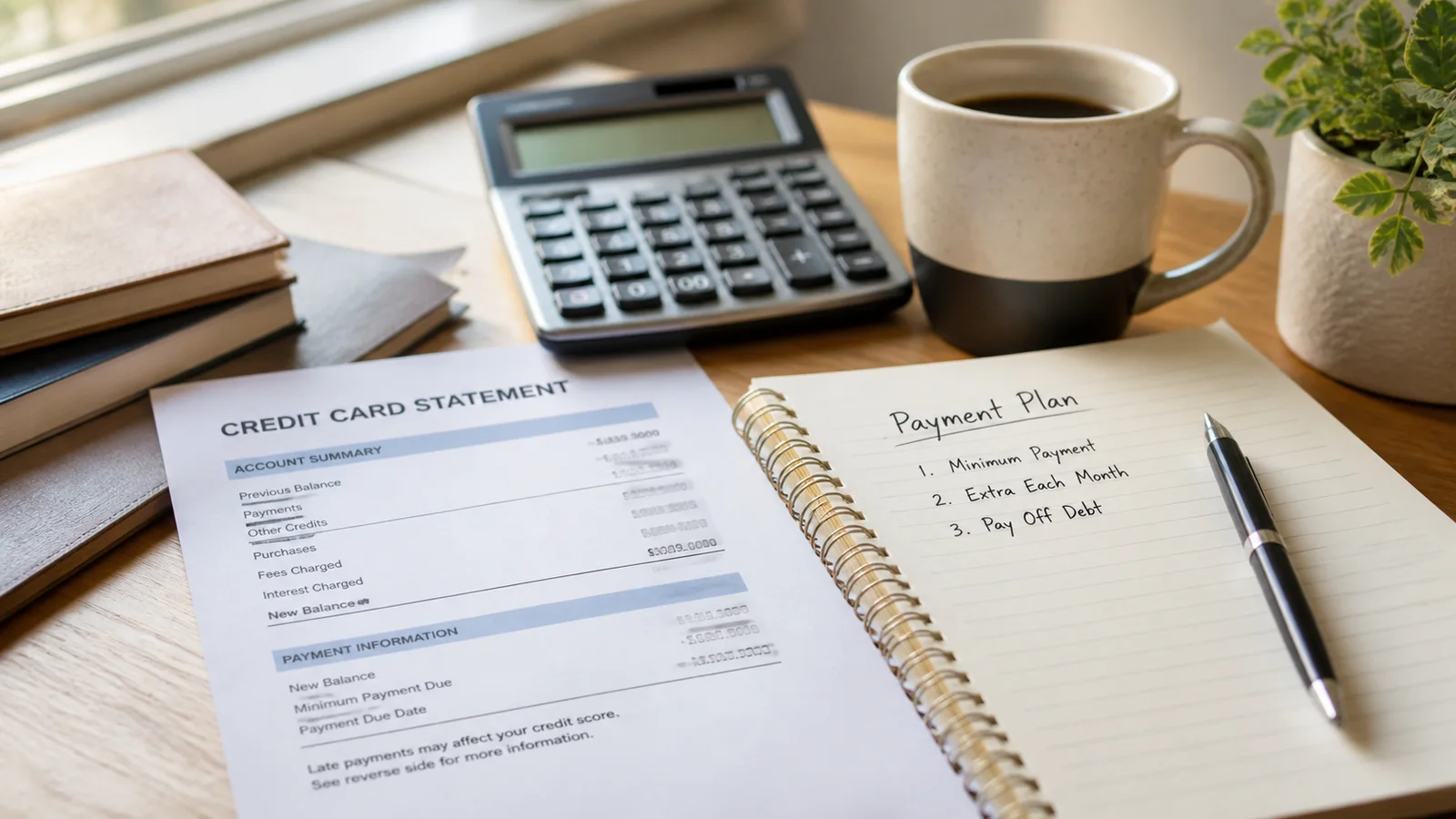
A credit card minimum payment keeps an account current, but it can also hide how long debt may stay in your budget. Learn how to plan beyond the smallest amount due.
A first paycheck budget helps you turn new income into clear priorities before small upgrades quietly become permanent bills.
An insurance deductible fund helps you plan for the out-of-pocket amount that can arrive after a claim, so one bad week does not wreck your monthly budget.
The 24-hour rule for spending gives you a simple pause between wanting something and buying it, so your budget has time to catch up with your impulses.
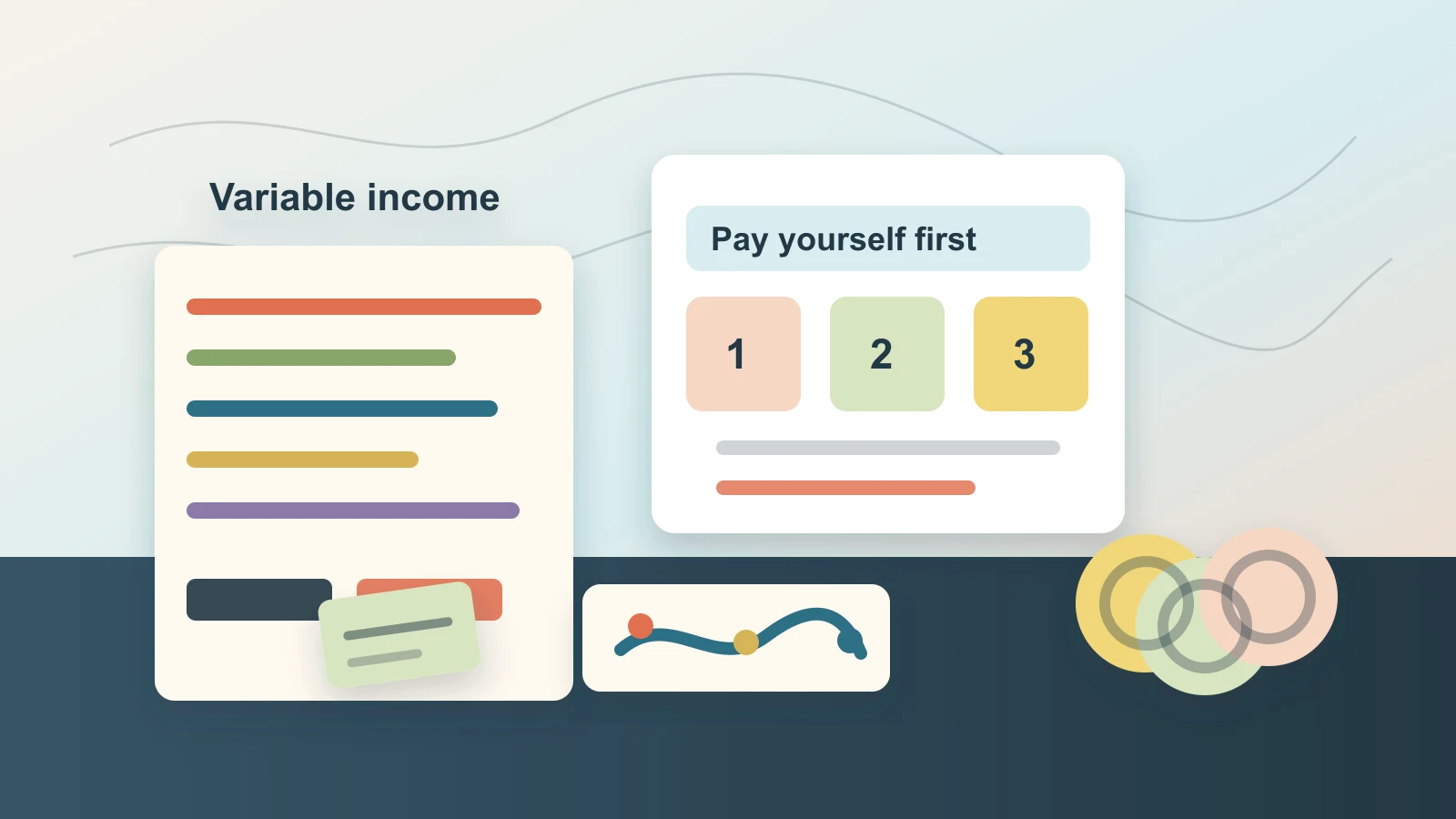
A variable income budget helps freelancers, gig workers, and commission earners turn unpredictable pay into a steady monthly spending plan.

A budget categories cleanup helps you turn messy expense labels into a simple system you can actually review and use each month.
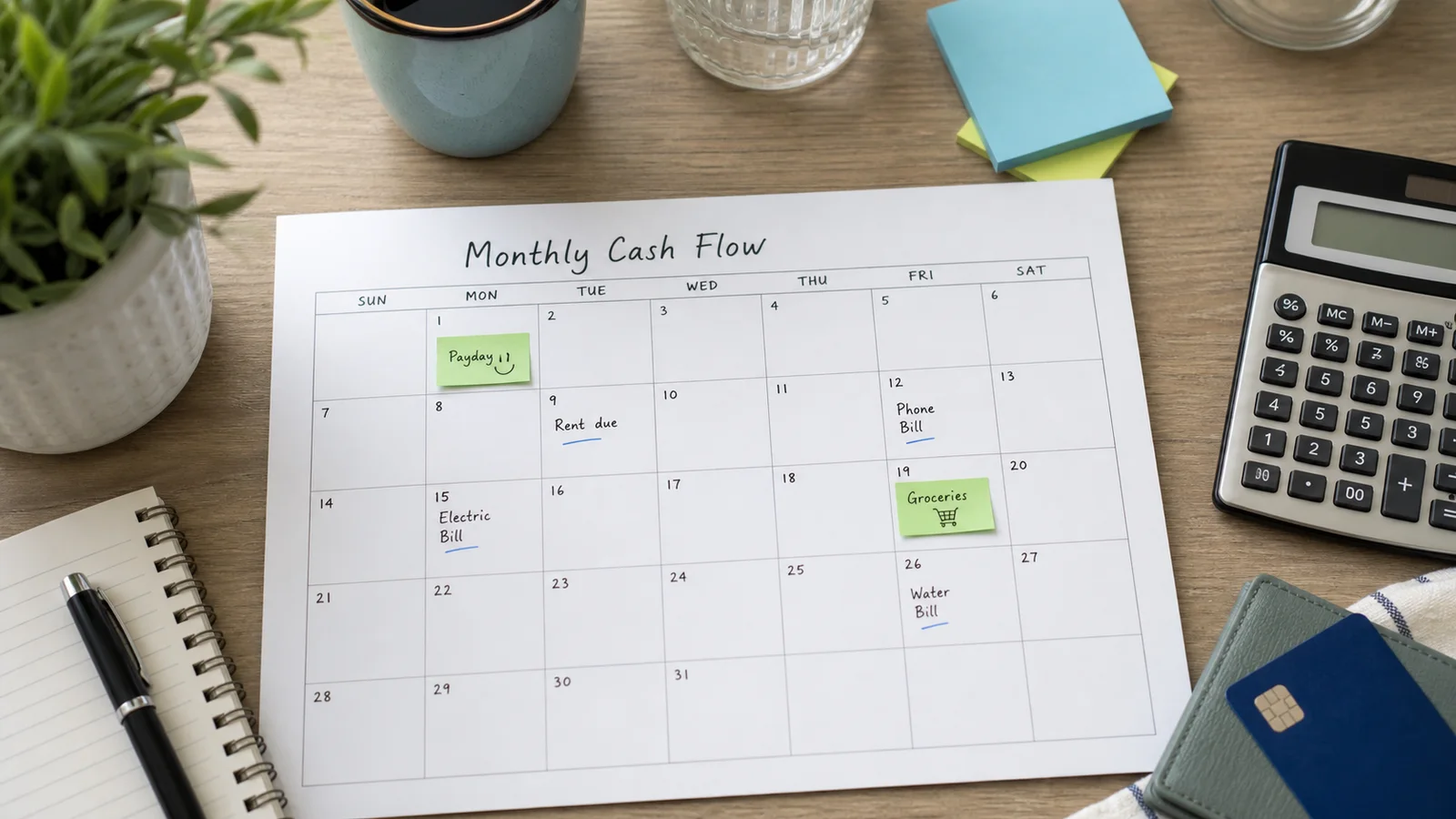
A cash flow calendar helps you see when money comes in, when bills leave, and how much room you really have between paydays.
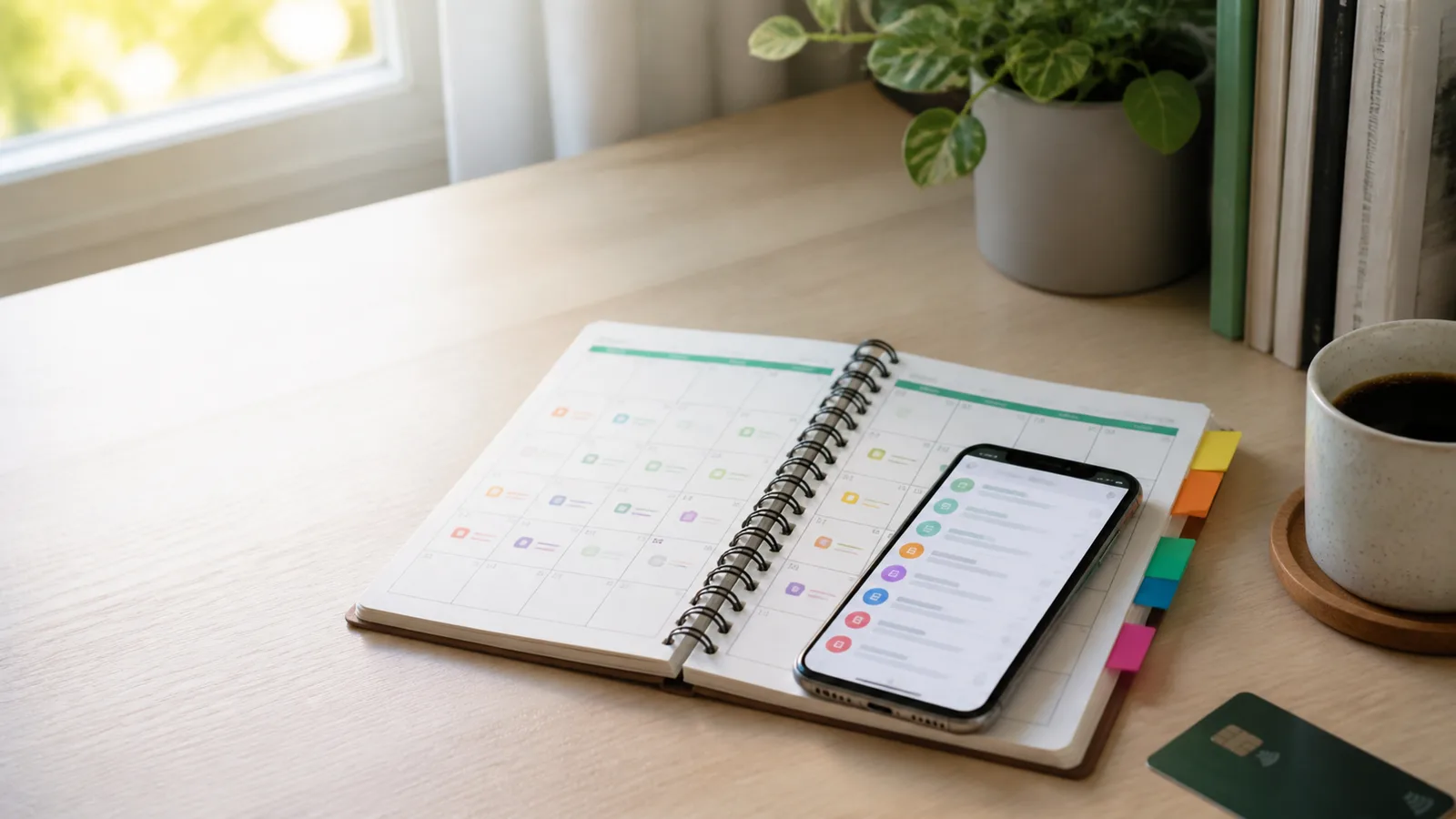
A subscription audit helps you spot forgotten renewals, decide what is still worth paying for, and keep recurring expenses from quietly crowding your budget.

A checking account buffer gives your everyday money a small cushion before bills, subscriptions, and card swipes collide. Learn how to set one up without confusing it with savings.
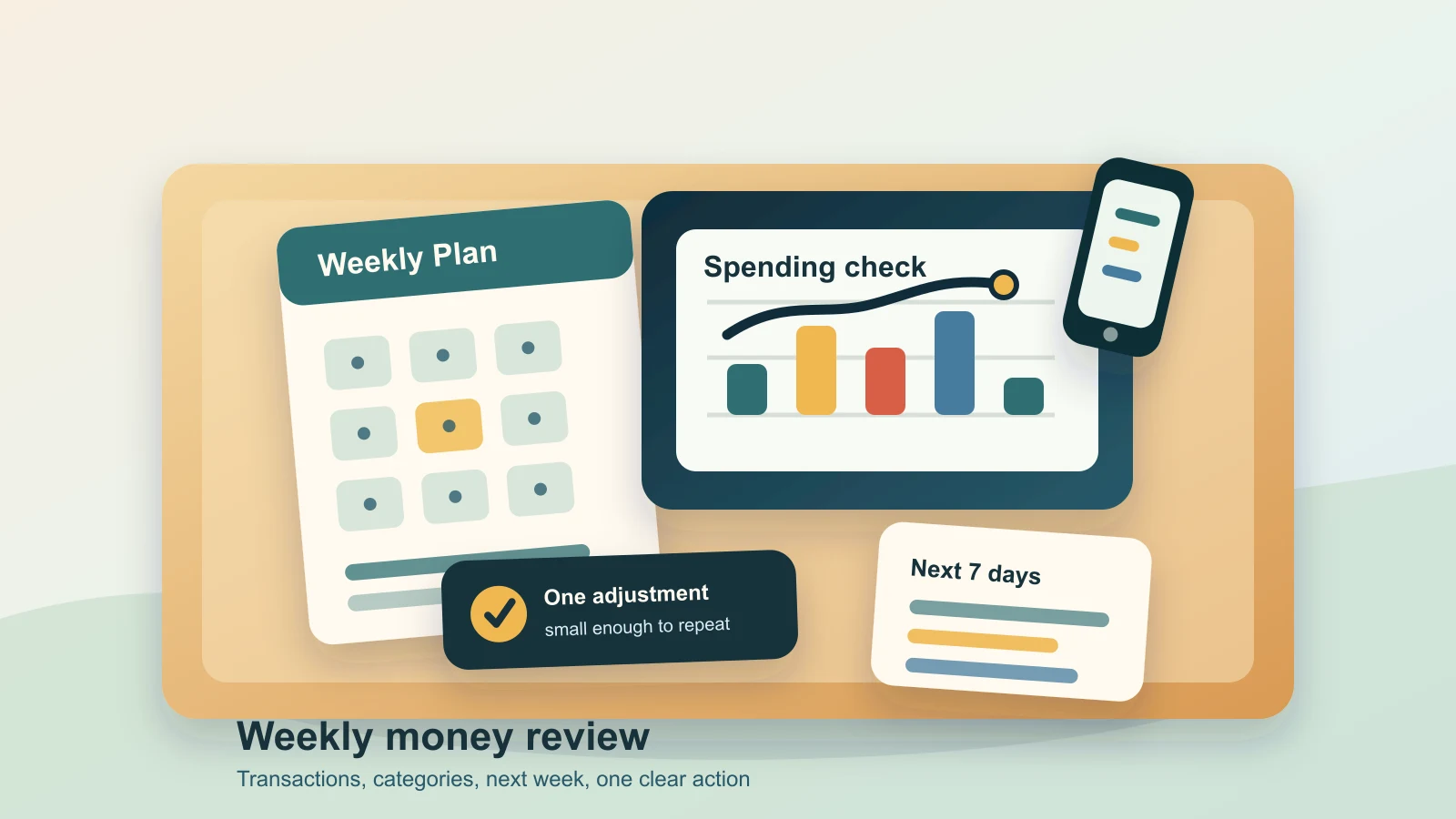
A weekly money review helps you catch overspending early, plan the next few days, and keep your budget useful without turning money management into a chore.

Learn how sinking funds help you prepare for annual bills, repairs, holidays, and other uneven expenses without wrecking your monthly budget.
Smart money moves" are financial decisions that can help new college graduates make the most of their money. This article discusses some of the best smart money moves that new college grads can make to get their financial future off to the right start. It’s no secret that college graduates are often overwhelmed with financial responsibility.

When two people come together, their finances often come along for the ride. While it can be difficult to put aside individual financial goals and dreams in favor of a unified strategy, financial planning for couples is essential for achieving a successful and secure financial future.

Financial success is something that everyone desires, but few know how to achieve it. This article will provide a guide to financial success for the next generation, with strategies on how to plan for the future, save money, and make smart investments.

Traveling doesn't always have to be expensive. In this post, we'll discuss tips and tricks to travel on a budget and still have an amazing time! Traveling is one of life’s greatest joys, but it can also be one of the most expensive.

Financial freedom is something many of us strive for, but achieving it is easier said than done. Fortunately, there are a plethora of financial apps available to help streamline your money management and help you meet your financial goals.

Making smart financial decisions can help you achieve your goals and live a financially secure life. It is important to set specific financial goals for each decade of life to ensure that you remain on track to reach your long-term objectives. This article will discuss the most important financial goals to consider for every decade.

Frugal living" is a lifestyle choice that has become increasingly popular in recent years. It involves finding ways to save money and live more simply. In this blog post, we'll discuss some tips for mastering the art of frugal living and the benefits of doing so.
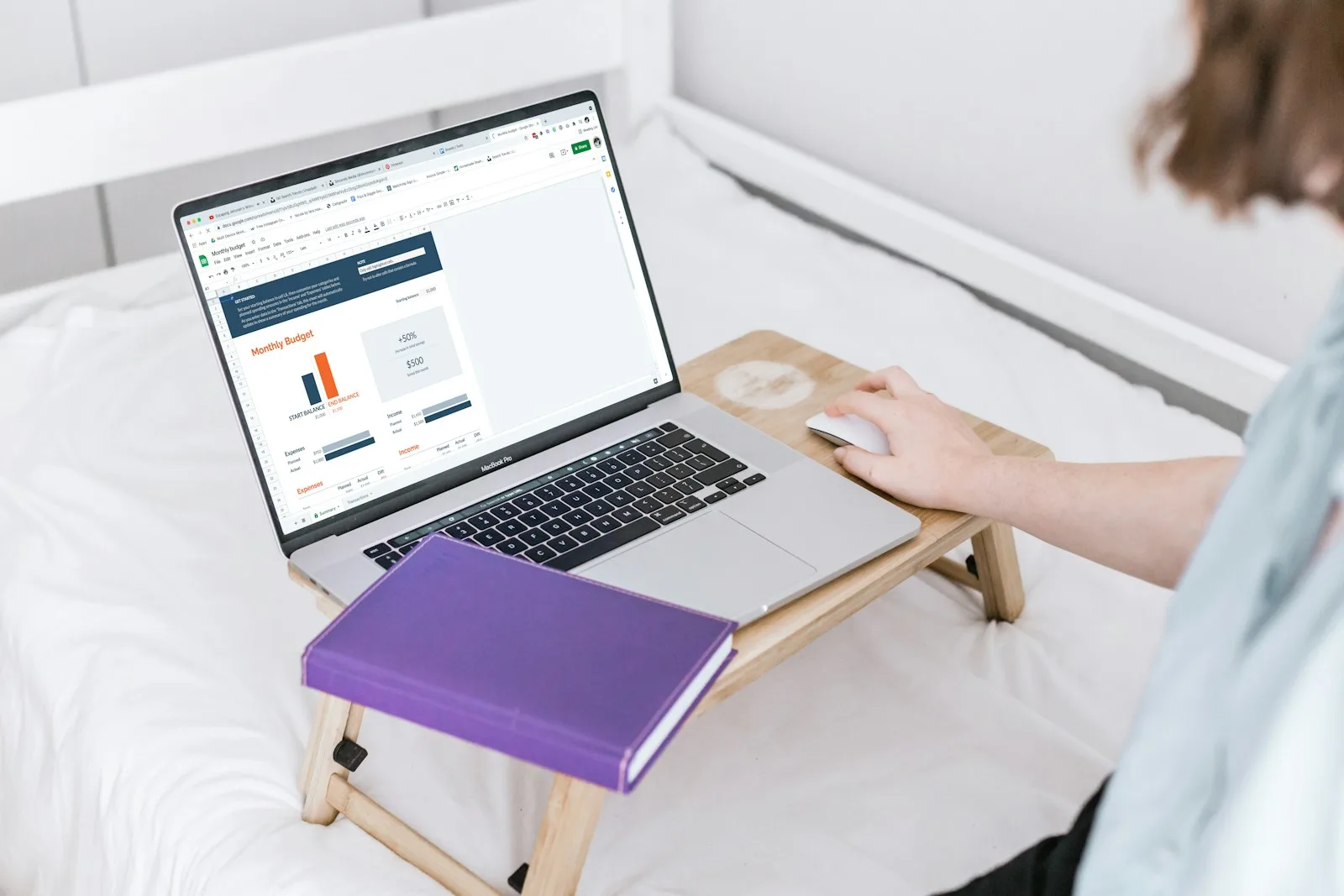
A comprehensive guide to smart money management. The guide covers everything from setting financial goals to tracking expenses to making the most of your income. You'll learn how to make a budget, how to stick to it, and how to make sure your financial strategies are working for you.

Living in Madrid can be expensive, so having a successful monthly budget is essential. This article outlines the steps to create a budget, suggests budgeting strategies, and provides tips for saving money in Madrid. If you’re living in Madrid and want to stay within your budget, having a successful and realistic monthly budget is essential.
Financial freedom is a goal that many people strive for. It can be achieved by following a few simple steps, such as saving money, avoiding debt, and investing wisely. Here are 10 steps to achieving financial freedom.
Tracking expenses is essential to financial success. Here are some tips and tricks to help you stay on top of your money and reach your financial goals. If you're looking to get your finances in order, tracking your expenses is a great place to start.

Staying in Amsterdam can be an expensive affair, but with some careful planning, budgeting, and smart spending, you can have a great time without breaking the bank. This blog post outlines the key elements of creating a budget for your stay in Amsterdam, including accommodation, food, transportation, and entertainment.

Living in Rome can be expensive, but with a good monthly budget, you can make the most of your money without sacrificing your lifestyle. This post will discuss how to create a budget that works for you, as well as some tips for saving money while living in Rome. Living in Rome can be an exciting and rewarding experience.

Creating a budget when moving to a new city can be a daunting task, especially when the cost of living is high. This post will outline the steps to creating a realistic monthly budget for living in Barcelona, Spain.

Living in Tokyo can be expensive, but with careful budgeting, you can ensure that you are able to live comfortably while still having enough money to enjoy yourself. This article will provide tips and strategies to help you create a monthly budget and stick to it while living in Tokyo.

Want to save money while shopping? Try these tips: eat before you shop, avoid bulk offers, shop alone, make a list and stick to it. With planning and discipline, you can make more thoughtful choices and achieve your long-term financial goals.

Living in Paris can be a dream come true, but it can also be expensive. This blog post will provide some tips on how to create a monthly budget that will help you manage your expenses while living in the City of Lights. Living in Paris can be a dream come true, but it can also be expensive.

Singapore is an exciting and vibrant city-state in Southeast Asia, offering an abundance of activities and attractions that make it an ideal destination for travelers and expatriates alike. There are many things to consider when budgeting for your stay in Singapore, including accommodation, transportation, food, and entertainment.

Dubai is one of the most popular tourist destinations in the world. With its stunning beaches, luxurious hotels, and unique shopping experiences, it’s no wonder why so many people flock to the city. But what is the cost of living in Dubai?

Living in London can be expensive, but it doesn’t have to be. By following a few simple budgeting tips, you can live comfortably while still enjoying all that the city has to offer. In this blog post, we’ll cover some essential budgeting tips to help you live comfortably in London.

Living in New York City is an expensive proposition, but with smart budgeting, it is still possible to enjoy life in the Big Apple. This post will outline a few key areas to consider when creating a budget for living in New York City. Topics covered will include housing costs, transportation, groceries, entertainment, and miscellaneous expenses.
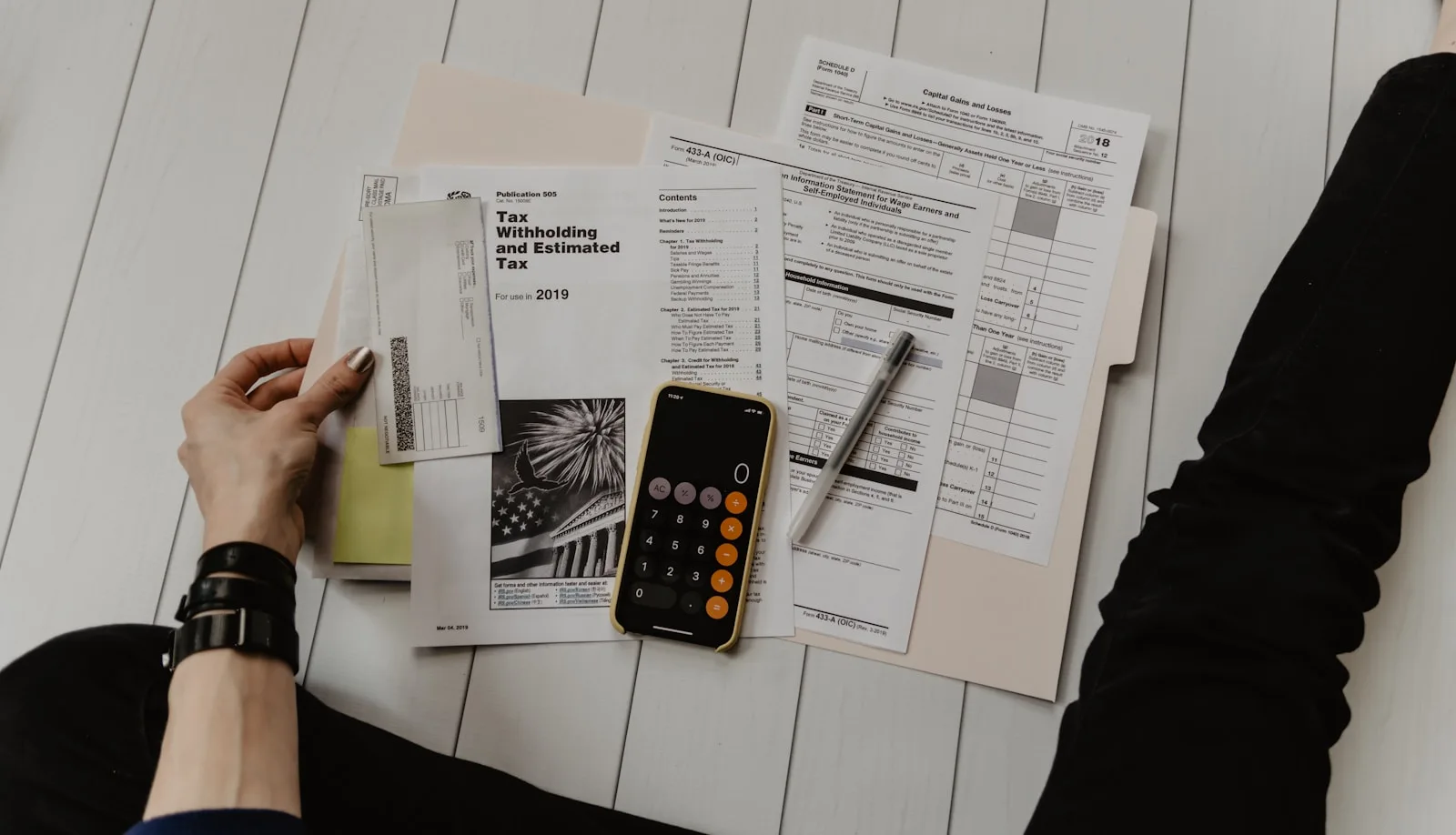
Budgeting" is one of the most important financial skills you can learn. It's the key to keeping your finances in order, so you can save, invest, and plan for your future. This guide will give you a quick overview of the basics of budgeting, as well as some tips to get you started.

Budgeting for two can be a difficult task, but it is essential for couples who want to keep their finances in order. This blog post provides tips for couples to successfully budget together, from establishing clear goals to understanding each other's spending habits.