
Capitalized Interest on a Loan: Why the Balance Can Grow
Capitalized interest adds unpaid interest to a loan's principal. Learn how to spot it in your loan terms, check the math, and plan for the next payment.
Topic
41 guides to help you understand the essentials and make a more confident next move.
Capitalized interest adds unpaid interest to a loan's principal. Learn how to spot it in your loan terms, check the math, and plan for the next payment.

A credit card cash advance can cost more than the amount you take out. Check fees, interest timing, limits, and your repayment budget before using one.
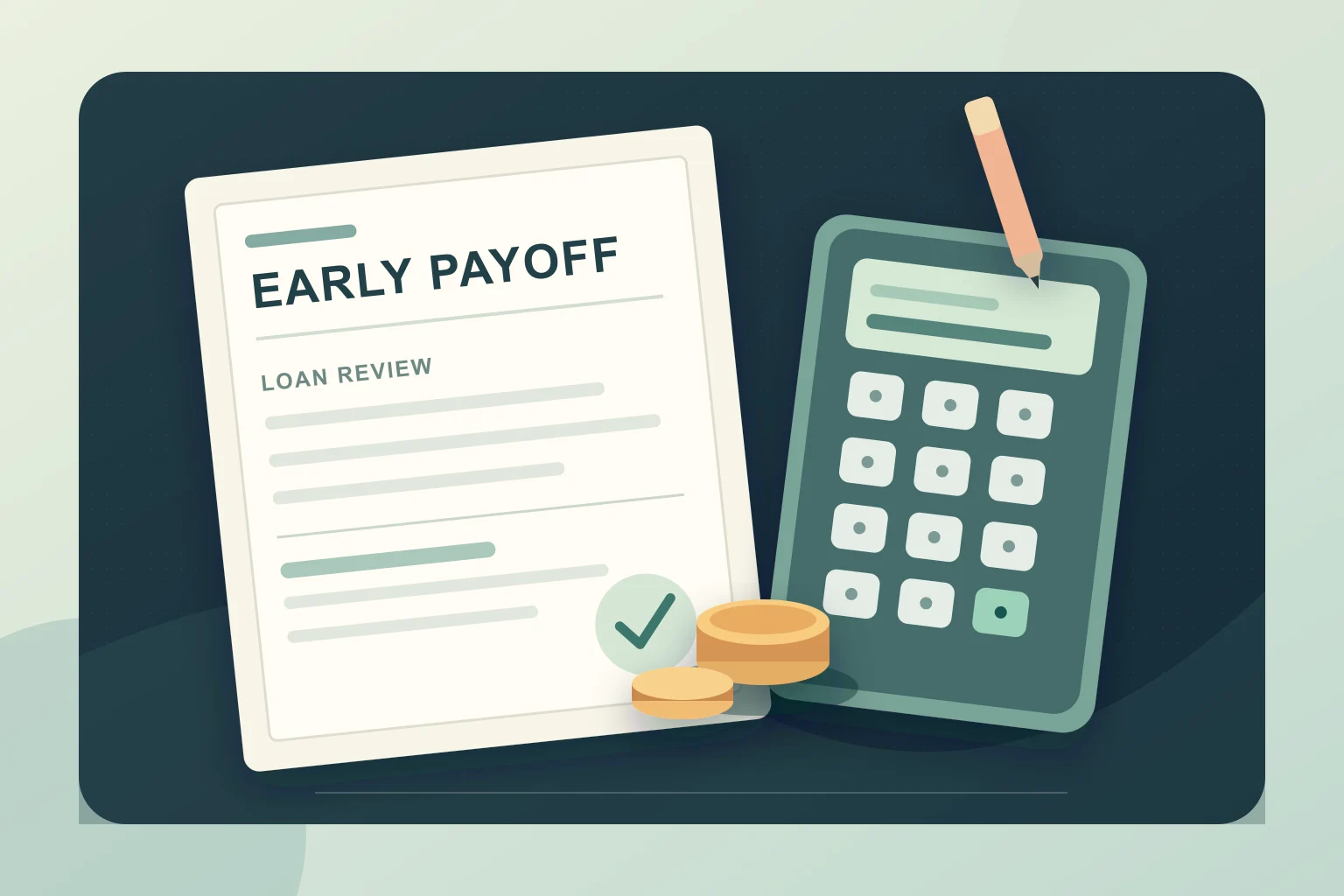
Before paying off a loan early, compare a dated payoff quote, any prepayment charge, remaining payments, and the cash your budget still needs.

A loan origination fee can change the cash you receive or the balance you owe. Use this practical checklist to compare offers and plan the first payment.

Learn to read a loan amortization schedule, separate principal from interest, and compare the payment plan with your real monthly budget.

Before co-signing a loan, test the full payment against your own budget, read the lender's terms, and decide how you would handle missed payments.
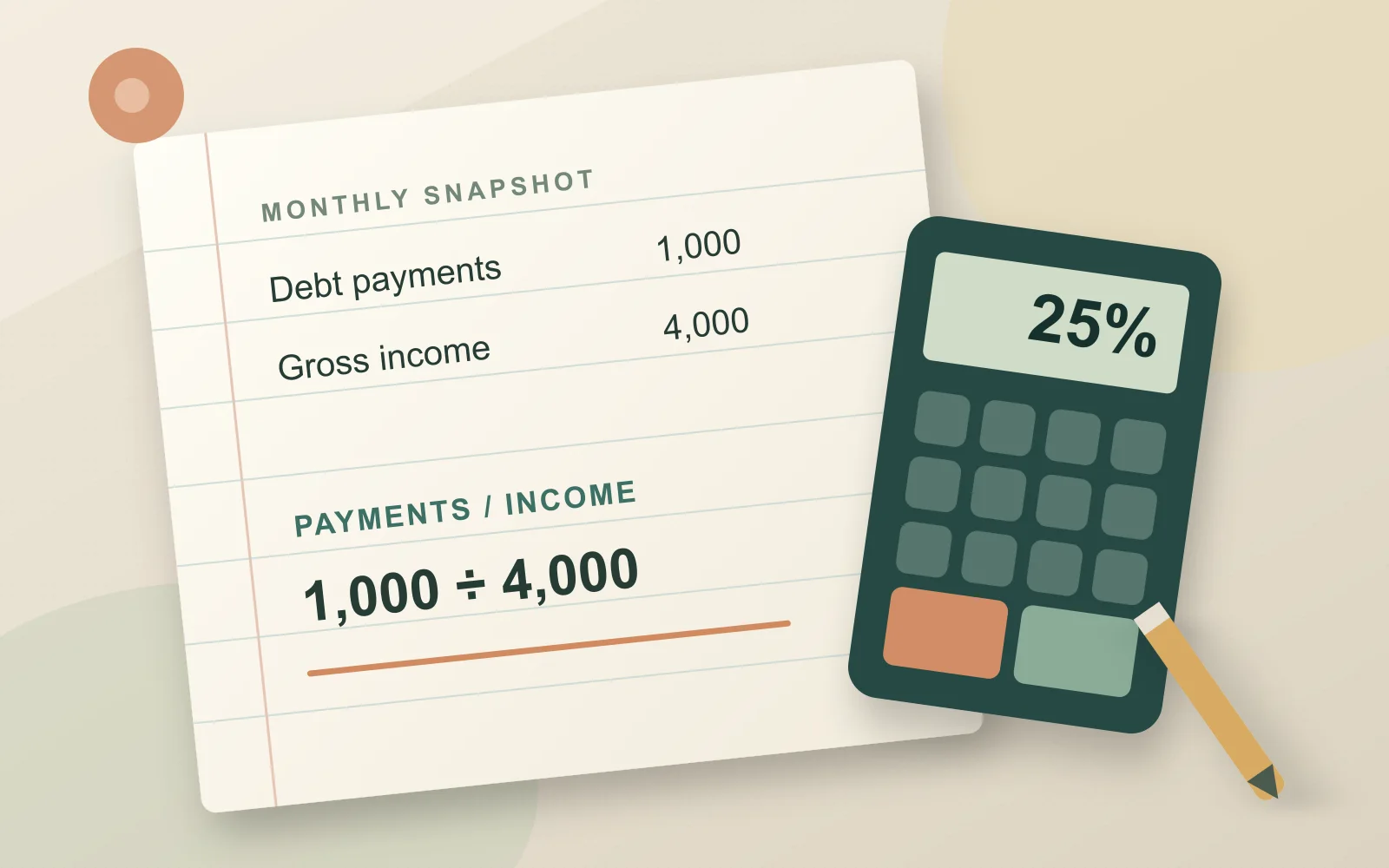
Learn what a debt-to-income ratio measures, how to calculate it from monthly payments and gross income, and why your cash-flow budget still matters.

A simple debt payment tracker helps you match planned payments with posted transactions, interest, new charges, and changing balances across accounts.

A medical bill budget helps you organize statements, insurance notices, payment plans, and cash flow before healthcare costs crowd the rest of your month.

An extra debt payment budget helps you send more than the minimum while keeping bills, savings, and daily spending steady enough to repeat.
A car buying budget helps you compare the full cost of a vehicle, from the monthly payment to insurance, maintenance, taxes, and the cash you need before signing.

A balance transfer budget helps you compare fees, payment deadlines, cash flow, and spending habits before moving credit card debt to a new account.

Debt snowball vs avalanche is a practical choice between quick wins and interest savings. Learn how to compare both methods and build a payoff plan around your real budget.

A debt payoff pause plan helps you protect essentials, avoid panic decisions, and restart progress after a tight month or temporary income squeeze.

A buy now, pay later budget helps you track installments, avoid payment pileups, and decide when splitting a purchase is worth the future pressure.
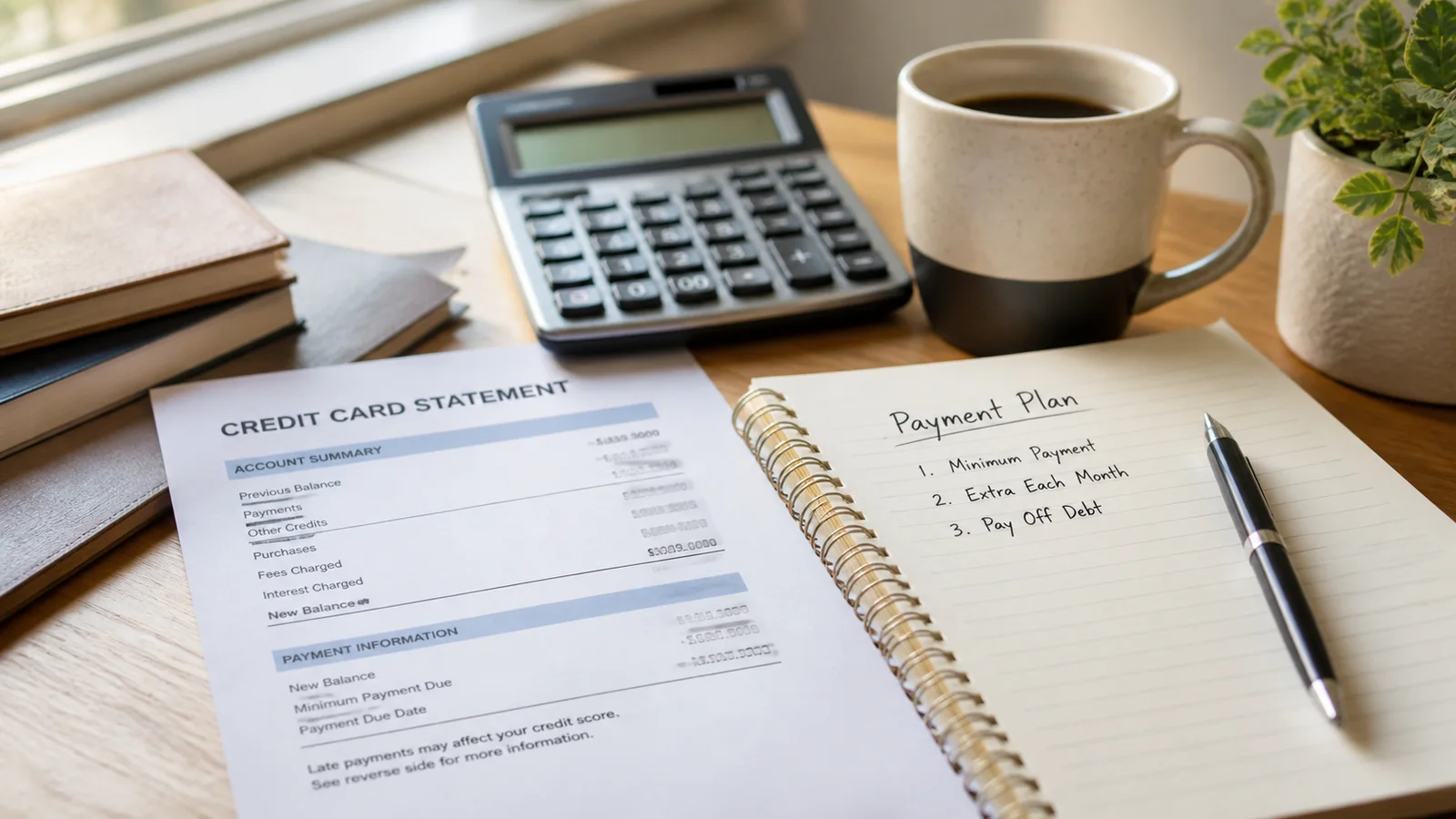
A credit card minimum payment keeps an account current, but it can also hide how long debt may stay in your budget. Learn how to plan beyond the smallest amount due.

Breaking the paycheck-to-paycheck cycle can be difficult, but it is certainly possible. With some dedication, budgeting, and planning, you can break this cycle and start achieving your financial goals. In this blog post, we’ll discuss tips to help you break the paycheck-to-paycheck cycle and gain financial freedom.
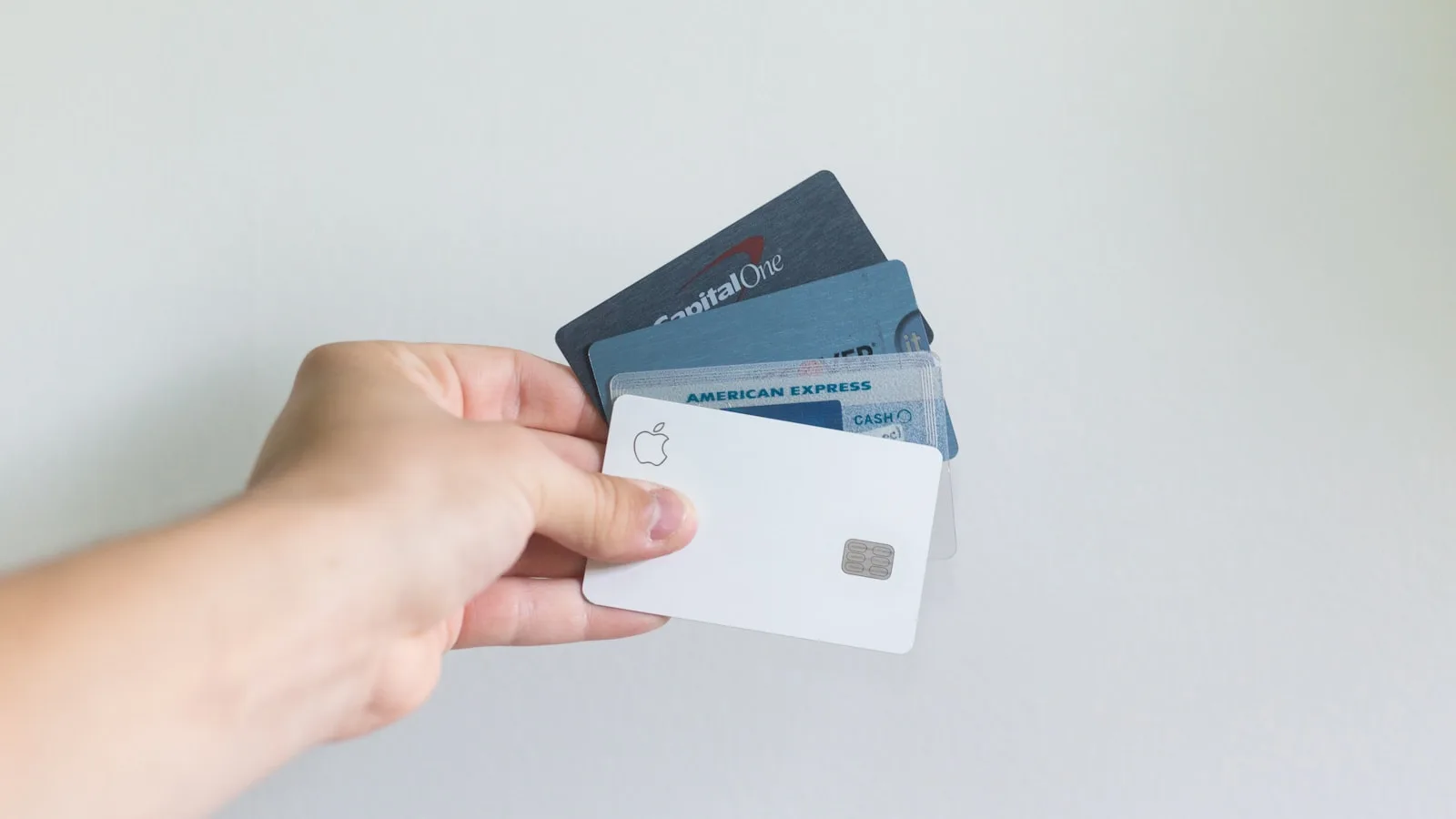
Your credit score is an important measure of your financial health. Understanding what factors impact your credit score, and taking proactive steps to improve and maintain a high credit score, can help you save money and open doors to financial opportunities. Having a high credit score is an important part of financial health.

Debt is a word that strikes fear into the hearts of many. It can be difficult to get out of debt, but it isn’t impossible. This article provides practical tips and strategies to help eliminate debt and stay out of it. When it comes to getting out of debt, the first step is to create a budget.

Credit counseling is a valuable tool that can help individuals better understand and manage their finances. It can provide guidance on budgeting, debt management, and money-saving strategies. It can also help people understand the benefits of good credit and how to rebuild a damaged credit score.

Divorce can have a significant financial impact on individuals and families. It can affect your taxes, your credit score, and your overall financial wellbeing. It is important to understand the financial implications of divorce and to plan accordingly. This article provides an overview of the key financial considerations to be aware of.

Credit cards can be an essential tool for building credit and managing finances, but it’s important to use them in a responsible way. Here’s a look at how to use credit cards responsibly and avoid debt.

Healthcare bills can be daunting and overwhelming, especially if you’re already dealing with a medical condition or diagnosis. But managing healthcare bills doesn’t have to be a source of stress and worry. With a few simple tips and tricks, you can stay ahead of the game and keep your finances in check.

Financial scams can be costly and hard to recover from, but there are steps you can take to protect yourself and your investments. Knowing how to spot common scams, being wary of unsolicited offers, and keeping your personal and financial information safe are key to avoiding financial scams.

Managing your finances as a college student is an important skill that can help you survive the college years and prepare you for the future. It can be difficult to manage all of your expenses, especially if you are living on a limited budget. With a few simple steps, you can learn to manage your finances and start on the path to financial success.

Student loan debt has become a major financial burden for many Americans. In order to help alleviate this burden, here are some smart strategies for paying off student loan debt. According to the Federal Reserve, total student loan debt in the U.S. has now surpassed $1.

Buying a home is a major financial commitment. Before you sign on the dotted line, it’s important to understand the costs associated with homeownership so you can make an informed decision. From down payments and mortgage payments to closing costs and property taxes, there are a variety of expenses to consider.

An emergency savings fund is an important part of any financial plan. It provides a cushion to help cover unexpected expenses, and can be a source of peace of mind in times of uncertainty. This article will discuss the importance of having an emergency savings fund, as well as tips on how to build it up.
Debt can be a major source of stress and anxiety, but it’s important to remember that it doesn’t have to be a source of negative emotions. With the right strategies, it is possible to manage debt and keep it from becoming a source of worry.

Small business owners have to juggle many tasks, and managing debt is an important one. This blog post will discuss debt management strategies for small business owners, including budgeting, cash flow management, and debt consolidation. It will also provide tips for finding the right debt management solution for each business’s unique needs.

In this post, we will discuss how to build a strong credit score and avoid debt. We will provide tips on budgeting, using credit responsibly, and reducing spending. We will also discuss the dangers of debt and strategies for getting out of it. By following the advice in this post, you can improve your credit score and reduce debt.

Creating a budget and sticking to it can be a great way to pay off debt faster. This post will discuss the steps you need to take to create an effective budget and how you can use that budget to pay off debt.

Negotiating with creditors can be a stressful experience, but it doesn't have to be. Knowing the dos and don'ts of negotiating with creditors can help you get the best deal and save money. In this article, we'll discuss the dos and don'ts of negotiating with creditors so you can make informed decisions and get the best outcome.

Payday loans are short-term loans designed to bridge the gap between paychecks. While they may seem like an attractive option in a pinch, these short-term loans can come with serious consequences and hidden costs that can be difficult to recover from.

Debt settlement" is a process of negotiating with creditors to reduce the amount you owe. While it can offer relief from overwhelming debt, it's important to understand the pros and cons of debt settlement before making a decision. Debt settlement can be a tricky business.

Student loan refinancing is a great way to save money and pay off student debt faster. However, there are some things to consider before refinancing your student loans. This article explains the truth about student loan refinancing and what you need to know before you refinance.

Managing your loans, whether they're for a car, home or other large purchase, is an important part of financial responsibility. However, it's easy to make mistakes that can cost you in the long run. Here are five of the most common mistakes to avoid when managing your loans.

Debt consolidation can be a great tool for getting your finances back on track. It can help you reduce your monthly payments and save on interest. But it can also have some risks. Before deciding if debt consolidation is right for you, consider both the benefits and risks.
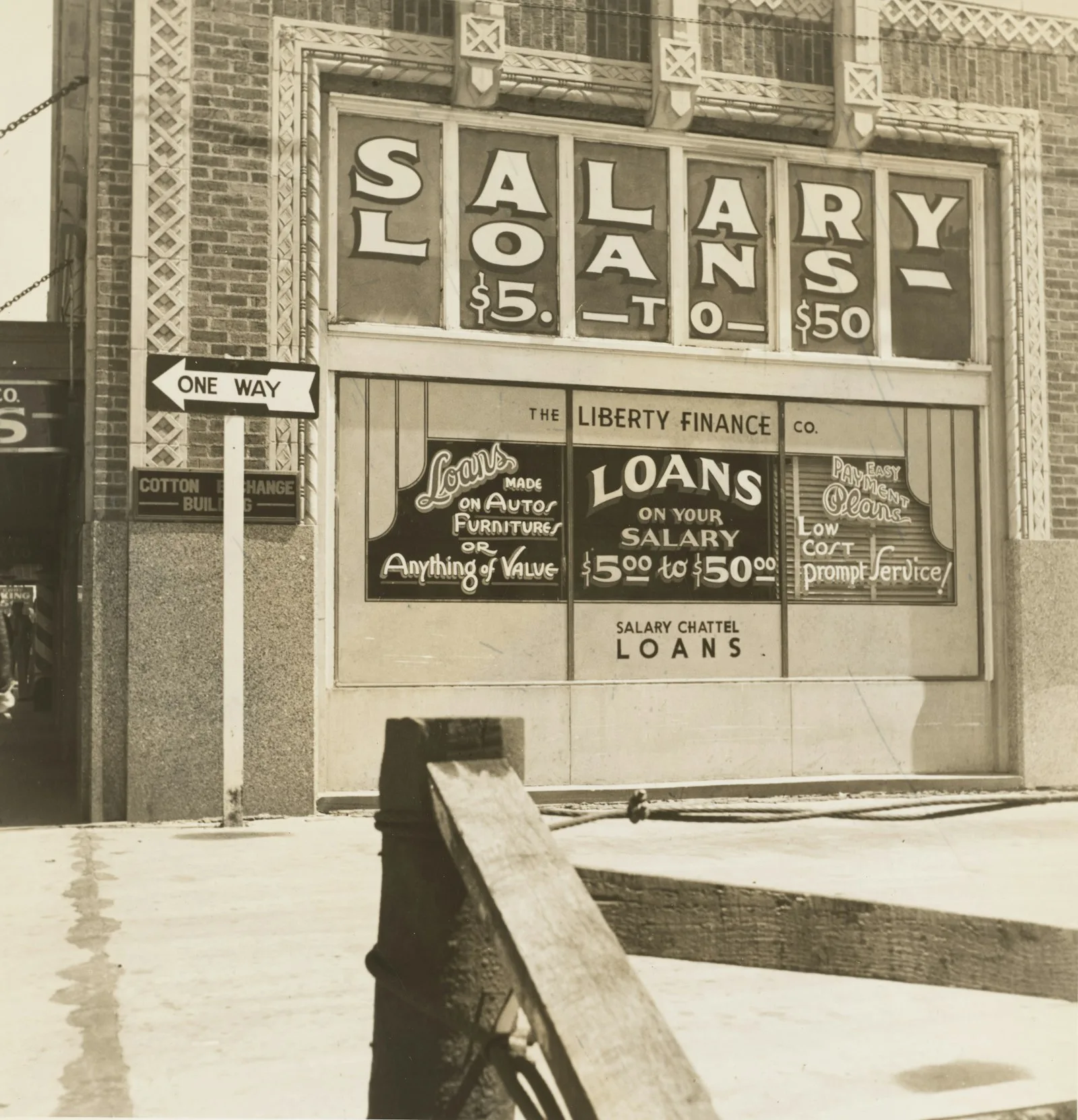
Debt consolidation is a popular way to manage multiple debts and lower your monthly payments. But it’s not always the best option for everyone. This guide will explain the pros and cons of debt consolidation, when it’s a good idea and when it’s not, and the best ways to go about it.
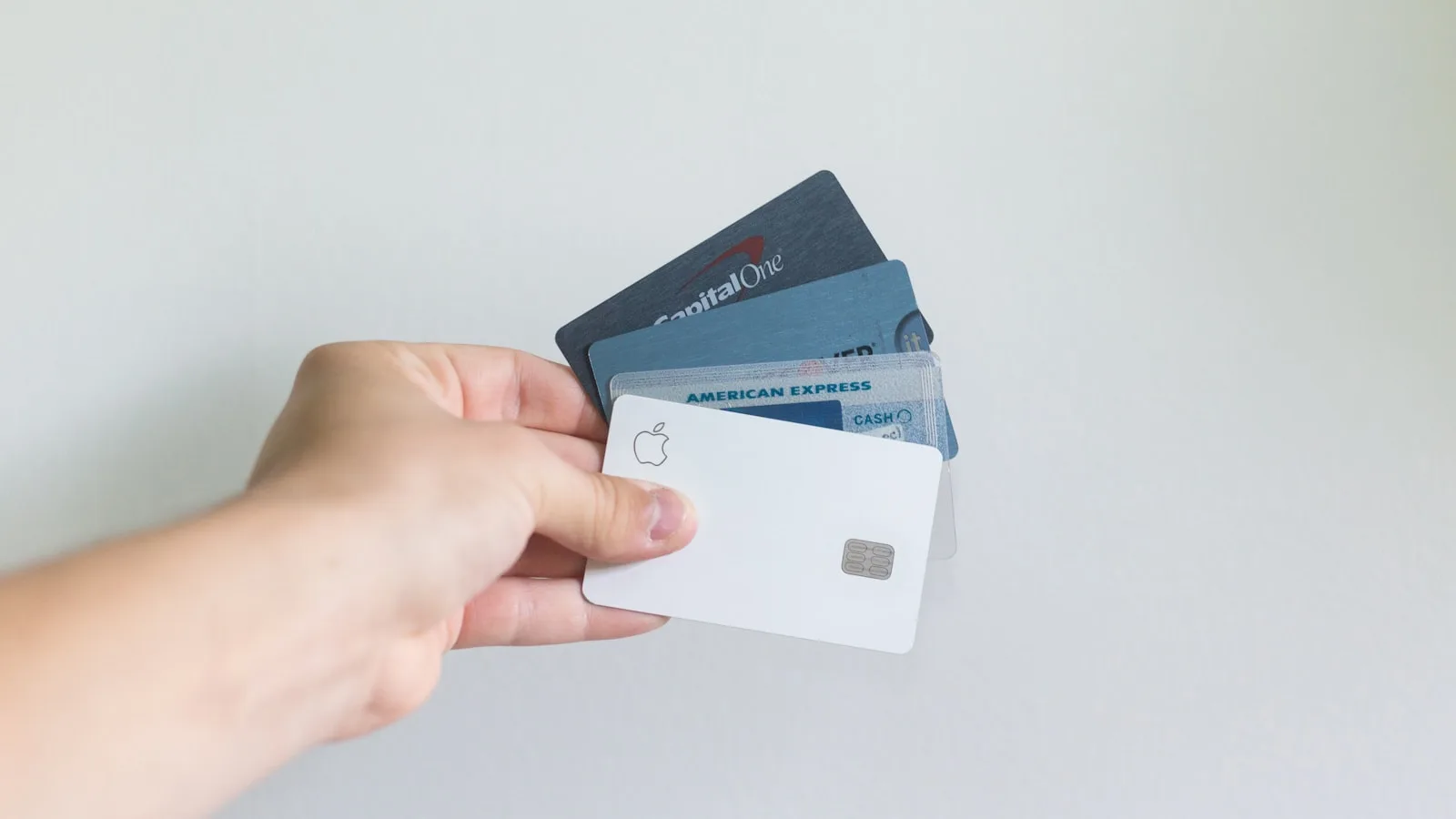
Debt 101" is an article that provides a breakdown of the various types of debt / loan, from secured loan to unsecured loan, and explains how each type of / loan works. The article also covers the consequences of not managing loan properly, such as bankruptcy and collection proceedings.
If you’re feeling overwhelmed by debt, you’re not alone. Many people struggle with debt and lack the knowledge to reduce it in a sustainable way. Here are five tips to help you manage and reduce your debt.