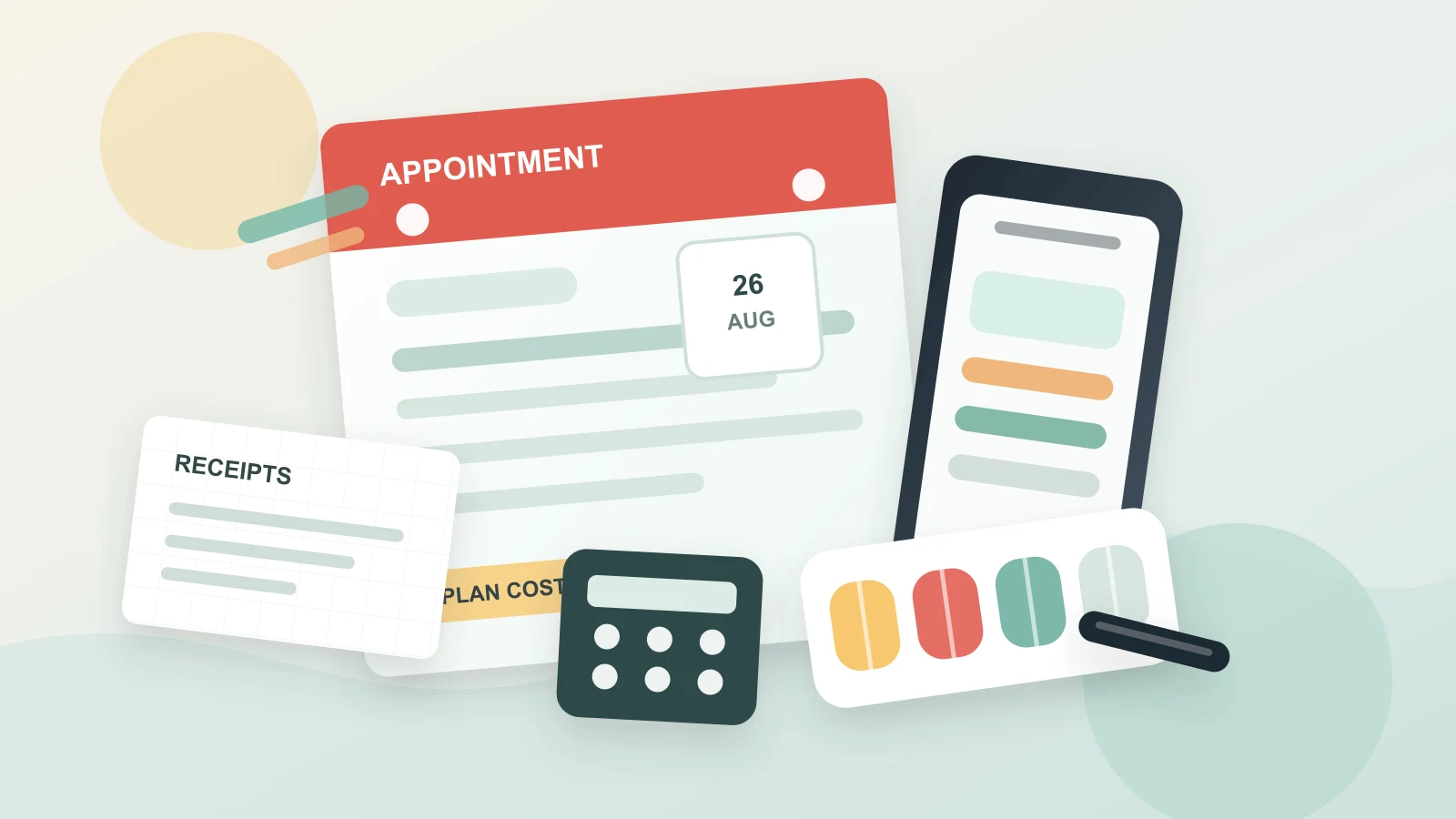
Medical appointments are rarely just one line item. A routine visit can come with a copay, lab work, prescriptions, parking, transport, childcare, follow-up care, or a bill that arrives weeks later. When those costs land in different places, it is easy to underestimate the full impact on your budget.
A medical appointment budget gives upcoming care a simple plan before the appointment happens. It does not replace insurance guidance or medical advice. It helps you prepare for the money side so a necessary visit does not quietly crowd groceries, rent, debt payments, or savings.
Start with the appointment timeline
Begin by listing the care you already know is coming. The budget becomes calmer when you stop treating each visit as a surprise.
Write down:
- the appointment date
- the provider or clinic
- the reason for the visit in plain language
- whether it is routine, urgent, follow-up, dental, vision, therapy, or specialist care
- when payment is likely due
- whether more visits, tests, or medication are possible afterward
This timeline matters because medical costs often arrive in waves. You may pay something at the visit, then receive a separate bill later. You may leave with a prescription, then need a follow-up. You may need transport twice instead of once.
If you track expenses in Furt Money, create a healthcare category that is specific enough to review later. A broad “miscellaneous” category makes medical spending harder to understand when the month is over.
Estimate the visible visit cost
The first number to plan is the amount you may need at or near the appointment. This might be a visit fee, copay, deposit, self-pay estimate, dental charge, therapy session fee, or vision exam cost.
Before the visit, check:
- appointment confirmation emails or texts
- insurance portal information, if you use insurance
- clinic payment policies
- prior bills for similar visits
- whether payment is due before, during, or after the appointment
Use the best number you can find, then add a small cushion if your cash flow allows. Medical billing can be hard to predict, and a budget that assumes the lowest possible number may be too fragile.
If you cannot get a clear estimate, make a placeholder. Even a rough planning number is better than pretending the cost will be zero. Mark it as an estimate so you remember to update it when the real bill arrives.
Plan for the costs around the visit
The appointment itself is not always the only expense. Small surrounding costs can turn a manageable visit into a stressful budget day.
Consider:
- fuel, parking, tolls, transit, or ride-hailing
- childcare, eldercare, or pet care during the appointment
- meals or snacks if the visit disrupts a normal routine
- time away from paid work
- over-the-counter supplies
- prescription pickup costs
- comfort items that are useful after a procedure
You do not need to overcomplicate this. The goal is to notice which costs are likely. A ten-minute visit near home may need no extra category. A specialist appointment across town during work hours may need a fuller plan.
This is where budgeting becomes practical instead of perfect. List the real friction around the appointment, not the version of the day you wish would happen.
Separate one-time costs from ongoing care
Some medical spending is occasional. Other spending becomes part of the monthly rhythm. Treating both the same can distort your budget.
One-time or irregular costs may include:
- an annual physical
- dental cleaning
- eye exam
- lab test
- imaging appointment
- urgent-care visit
- procedure-related supply
Ongoing costs may include:
- regular prescriptions
- therapy appointments
- specialist follow-ups
- physical therapy
- recurring dental or orthodontic payments
- monitoring supplies
- transportation for repeated visits
One-time costs can often be handled with a short-term sinking fund or a planned adjustment to the month. Ongoing costs need a recurring budget category because they are part of normal life for now.
If a cost starts as temporary, give it a review date. For example: “Keep this prescription line for three months, then review.” That keeps your budget from carrying old assumptions after your care changes.
Make a follow-up bill parking spot
Medical bills do not always arrive quickly. A visit may feel paid for, then a statement appears later from the provider, lab, imaging center, or pharmacy.
Create a simple parking spot for pending bills. It can be a note, spreadsheet, budget category, or task list. Include:
- appointment date
- provider name
- amount already paid
- expected bill, if known
- claim or invoice status, if relevant
- due date once the bill arrives
- questions to ask before paying
This parking spot helps you avoid two common problems: forgetting that a bill may still come, or paying a bill quickly without checking whether it matches the visit and any coverage details you expected.
You do not need to become a billing expert. You only need a habit of pausing long enough to match the bill to the care, confirm the amount, and decide how it fits into the current budget.
Decide what to do before the appointment
A useful medical appointment budget turns into a short action list. Before the appointment, choose the next few steps.
You might:
- move money into the checking account that will be charged
- pause one optional purchase until the visit cost is clear
- ask the clinic for a payment estimate
- check whether a prescription has a lower-cost option available through your provider or pharmacy
- confirm whether a referral, pre-approval, or paperwork is needed
- arrange transport instead of deciding under pressure
- schedule the follow-up before the month gets crowded
Keep the list small. Three actions completed before the visit are better than a long plan you never use.
If the appointment cost is likely to strain essentials, contact the provider before the bill is due and ask what payment options or assistance processes exist. Do not assume the only choices are paying immediately or ignoring the bill.
Review the category after the bill settles
Once the appointment and related bills are handled, review what actually happened. This is where future budgets improve.
Ask:
- What did I expect to pay?
- What did I actually pay?
- Which cost surprised me?
- Did the payment timing create stress?
- Should this become a recurring category?
- Should I set aside a little each month for similar care?
- Is there a document, receipt, or note I should save?
This review does not need to be emotional. It is simply feedback. If the prescription cost was higher than expected, your next budget can include it sooner. If parking was the surprise, plan transport differently. If the bill arrived six weeks later, add a pending-bill note next time.
Furt Money can help here by making the healthcare category visible beside the rest of your spending. Seeing the pattern is often enough to make the next appointment less disruptive.
Build a small healthcare cushion
If medical costs show up several times a year, a small healthcare cushion can make the budget feel less reactive. This is separate from a full emergency fund. It is a practical bucket for predictable-but-irregular care.
Start with a simple target:
- one routine visit and one prescription refill
- one dental or vision appointment
- one month of recurring care costs
- the amount you usually spend in a typical healthcare month
Choose a target that fits your life. The point is not to guess every future bill. It is to give the next appointment somewhere to land.
If money is tight, begin tiny. Even a small recurring transfer or monthly category can reduce the feeling that every appointment is a budget emergency.
The bottom line
A medical appointment budget helps you see the full cost of care before it spreads across receipts, card charges, delayed bills, and forgotten follow-ups. Start with the appointment timeline, estimate the visit cost, include the costs around the visit, and keep a parking spot for bills that may arrive later.
Pick one upcoming appointment and write down the date, expected payment, transport cost, prescription risk, and follow-up question. That small plan can make necessary care easier to handle without letting the rest of your budget fall out of view.