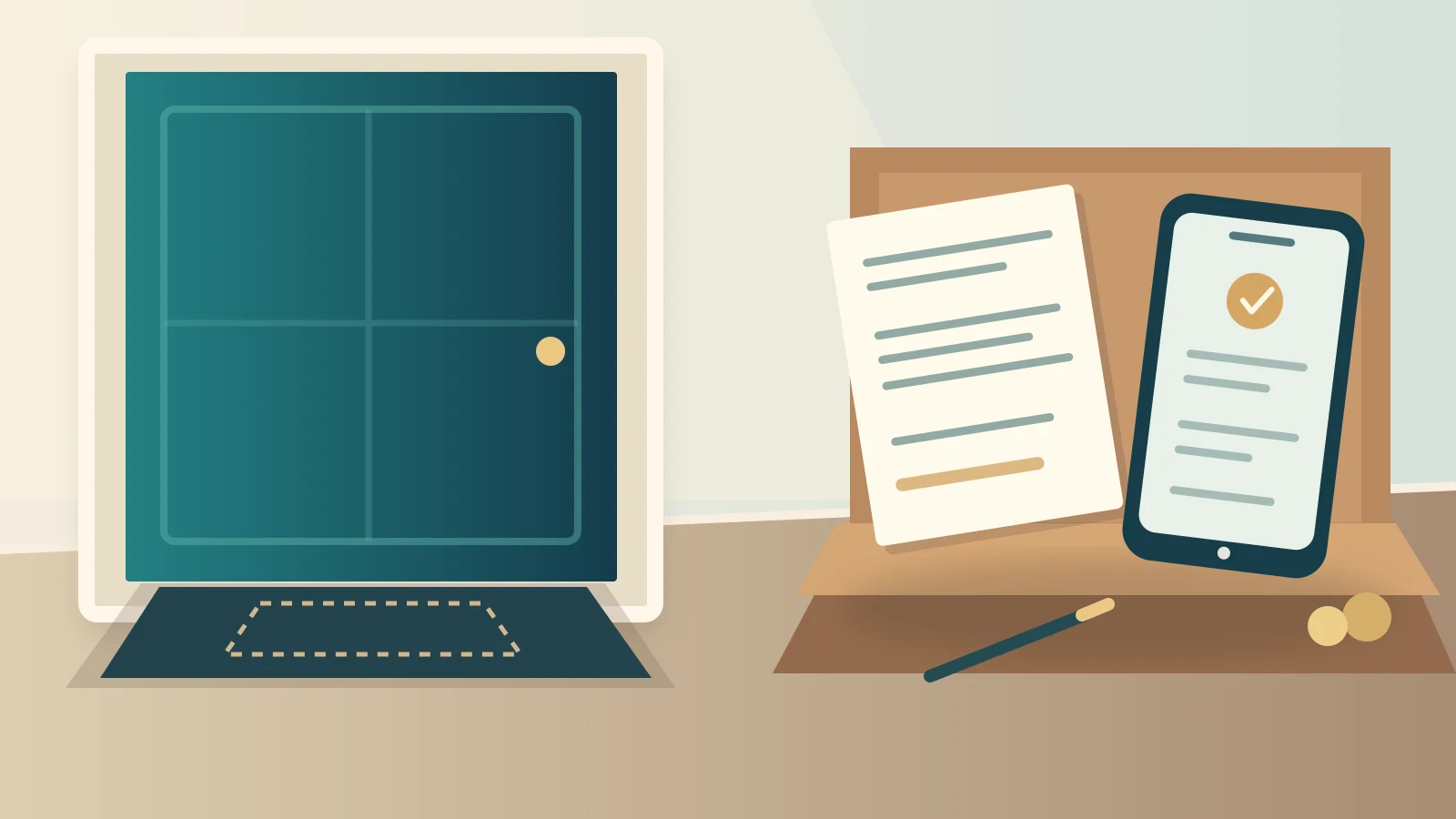
Missing Package Budget: Check the Delivery Before Buying Again
A missing package can leave you paying twice. Verify the delivery, document the order, protect essential spending, and track any replacement or refund without guessing.
Topic
87 guides to help you understand the essentials and make a more confident next move.
A missing package can leave you paying twice. Verify the delivery, document the order, protect essential spending, and track any replacement or refund without guessing.

An unfamiliar card charge? Verify the transaction, document what happened, contact the right party, and track any temporary credit without counting it as settled money.

A paycheck larger than expected? Check the pay statement, keep the unexplained amount separate, ask payroll specific questions, and plan for a possible correction.

Capitalized interest adds unpaid interest to a loan's principal. Learn how to spot it in your loan terms, check the math, and plan for the next payment.

A credit card cash advance can cost more than the amount you take out. Check fees, interest timing, limits, and your repayment budget before using one.

A preorder budget helps you track deposits, later charges, shifting delivery dates, and cancellation terms before a future purchase crowds your bills.

Use this utility bill error checklist to compare dates, meter readings, rates, and payments, then ask your provider clear questions without losing track of the due date.

A condo special assessment budget turns a building repair notice into a clear amount, due-date plan, and set of questions before you commit your cash.

Leaving a job? Use this final paycheck checklist to confirm pay dates and line items, track outstanding reimbursements, and budget until your next income arrives.
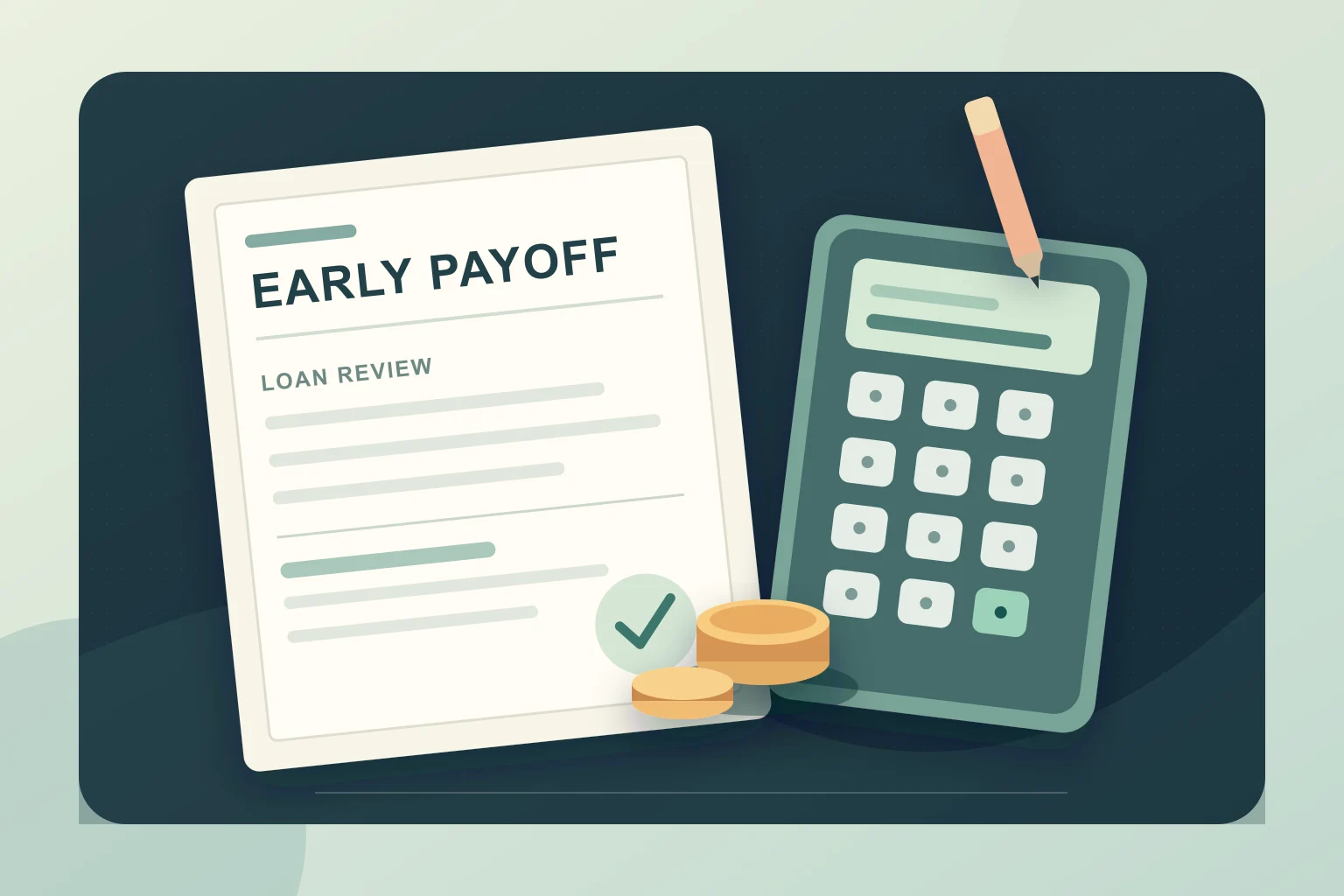
Before paying off a loan early, compare a dated payoff quote, any prepayment charge, remaining payments, and the cash your budget still needs.

Build a home inspection budget that covers the quoted visit, possible follow-up checks, and the cash-flow decisions a report may reveal.

Paid the same bill twice? Check whether both payments posted, protect upcoming bills, request the right correction, and reconcile your budget without guessing.

Compare annual and monthly insurance premium payments by total cost, fees, renewal timing, and the cash cushion you would need—not just the smaller bill.

Before returning an online purchase, compare the actual refund with return shipping, fees, packing, and timing. Use a simple checklist to protect your budget.

Moving in partway through a month? Learn how to check a prorated rent quote, map the first two payments, and avoid double-counting move-in cash.

Overdraft protection can move money, extend credit, or allow a payment to go through at a cost. Use this checklist to compare coverage, fees, and cash-flow risks.

A paycheck advance can ease a bill due today while shrinking your next deposit. Compare the actual cost, repayment timing, and next pay-cycle budget before you use one.

A loan origination fee can change the cash you receive or the balance you owe. Use this practical checklist to compare offers and plan the first payment.

Changing the name on financial accounts? Make a practical update list, protect your pay and bills during the transition, and verify each account instead of assuming one change updates everything.

A mixed shopping receipt can hide where your money went. Learn a simple way to split a receipt into budget categories, handle discounts and refunds, and match the final card charge.

A bank account minimum balance can avoid a fee while tying up cash you need elsewhere. Compare the real rule, your cash flow, and alternatives before deciding.

A pending bank transfer checklist for checking status, protecting upcoming bills, and keeping your budget accurate while money moves between accounts.

A practical lost wallet checklist for listing missing cards and IDs, securing payment access, covering immediate purchases, and updating saved bills.

Bought something just before a price drop? Use this price adjustment checklist to check eligibility, ask the seller clearly, and keep your budget accurate.

Learn to read a loan amortization schedule, separate principal from interest, and compare the payment plan with your real monthly budget.

Before co-signing a loan, test the full payment against your own budget, read the lender's terms, and decide how you would handle missed payments.

Understand how a credit card grace period relates to your statement balance, due date, and new purchases—and what to check before relying on it.

Learn a simple bank account reconciliation routine: match posted transactions, handle pending charges and transfers, and turn differences into a more accurate budget.

Biweekly and semimonthly pay can look similar but create different bill timing. Learn to plan from actual deposit dates and avoid spending an extra paycheck twice.
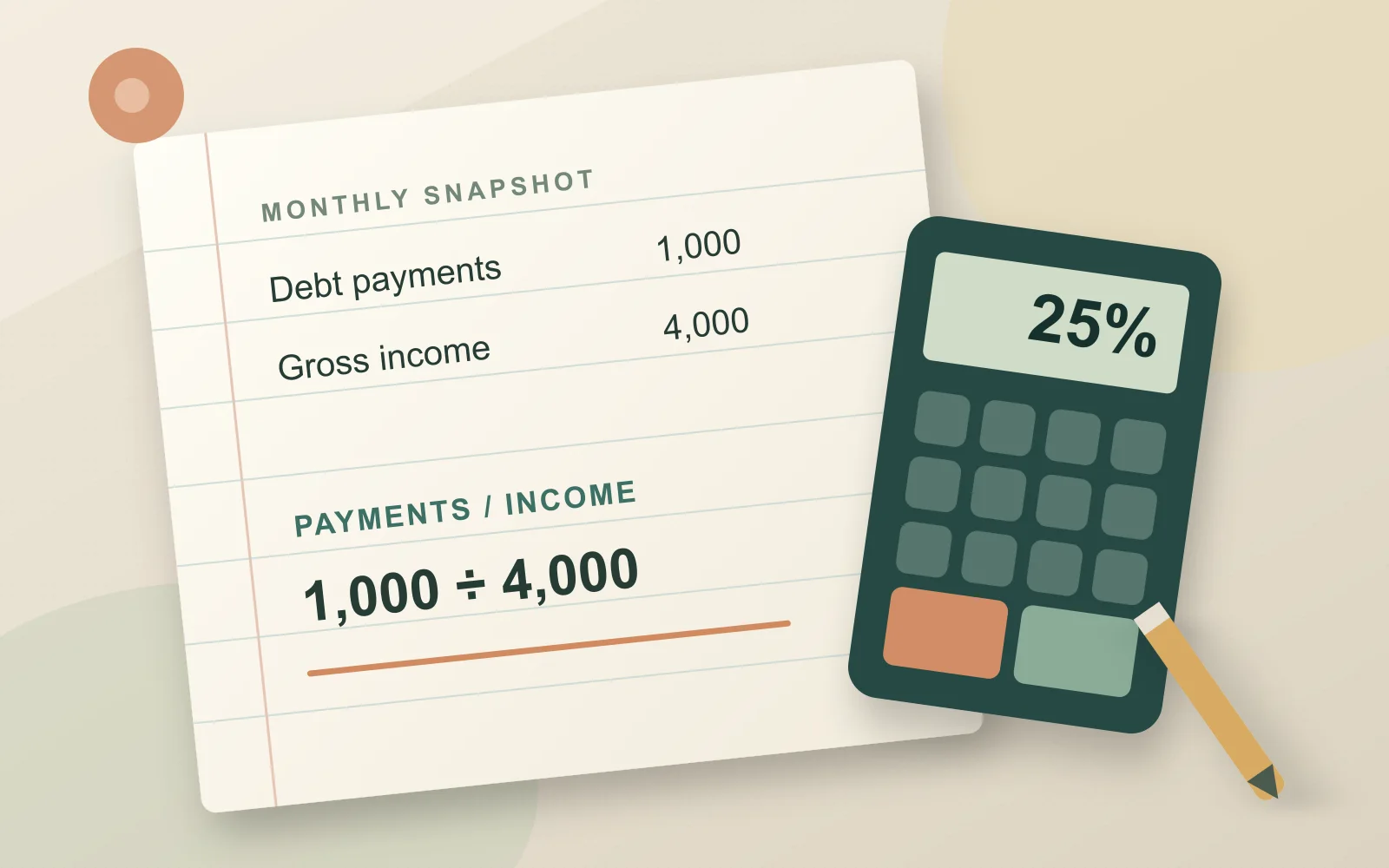
Learn what a debt-to-income ratio measures, how to calculate it from monthly payments and gross income, and why your cash-flow budget still matters.

Learn how to calculate a monthly spending baseline from transactions, annual bills, and uneven costs without mistaking an average for cash you have today.

An annual subscription may cost less on paper, but a monthly plan can protect cash and make cancellation easier. Use a simple break-even test before committing.

Learn how to estimate an appliance's electricity use from watts, hours, and your own tariff, then compare running costs with the purchase price without mistaking an estimate for a bill.

A selling used items budget helps you compare asking price with fees, shipping, time, and replacement costs before counting the money as extra cash.

Travel currency exchange fees can hide in the rate, card terms, and ATM charges. Use a simple comparison to budget for what you actually receive abroad.

Learn how savings account interest, annualized rates, balance rules, and fees fit together so you can compare accounts without chasing a headline number.
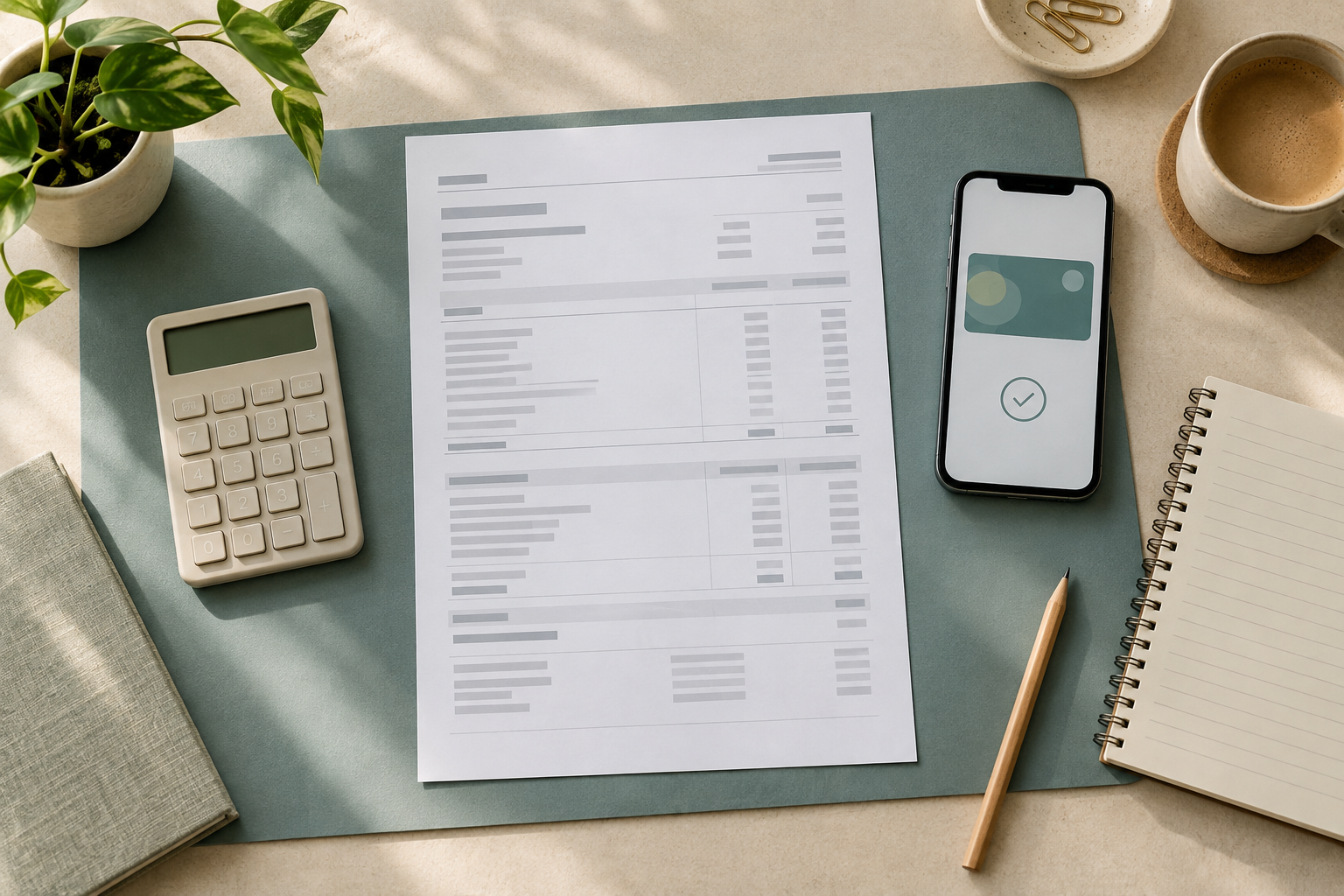
Learn how to read a payslip, check gross and net pay, spot unusual deductions, and build a budget from the money that actually arrives.

A simple debt payment tracker helps you match planned payments with posted transactions, interest, new charges, and changing balances across accounts.

Switching bank accounts? Use a staged checklist to move deposits, recurring payments, and savings transfers while keeping your budget and old account in view.
A loyalty program budget helps you use points, coupons, miles, and member discounts without buying things you would not choose at full price.
A teen first job budget helps young earners split paychecks between spending, saving, family costs, transport, and future goals without making money feel scary.
A digital security budget helps you plan password tools, backups, device protection, fraud response, and safer habits without buying fear-based extras.

A credit limit increase budget helps you treat extra card capacity as cash-flow protection, not permission to let everyday spending expand.

A fraud recovery budget helps you respond to unfamiliar charges, protect upcoming bills, and rebuild your money plan after a card or account scare.
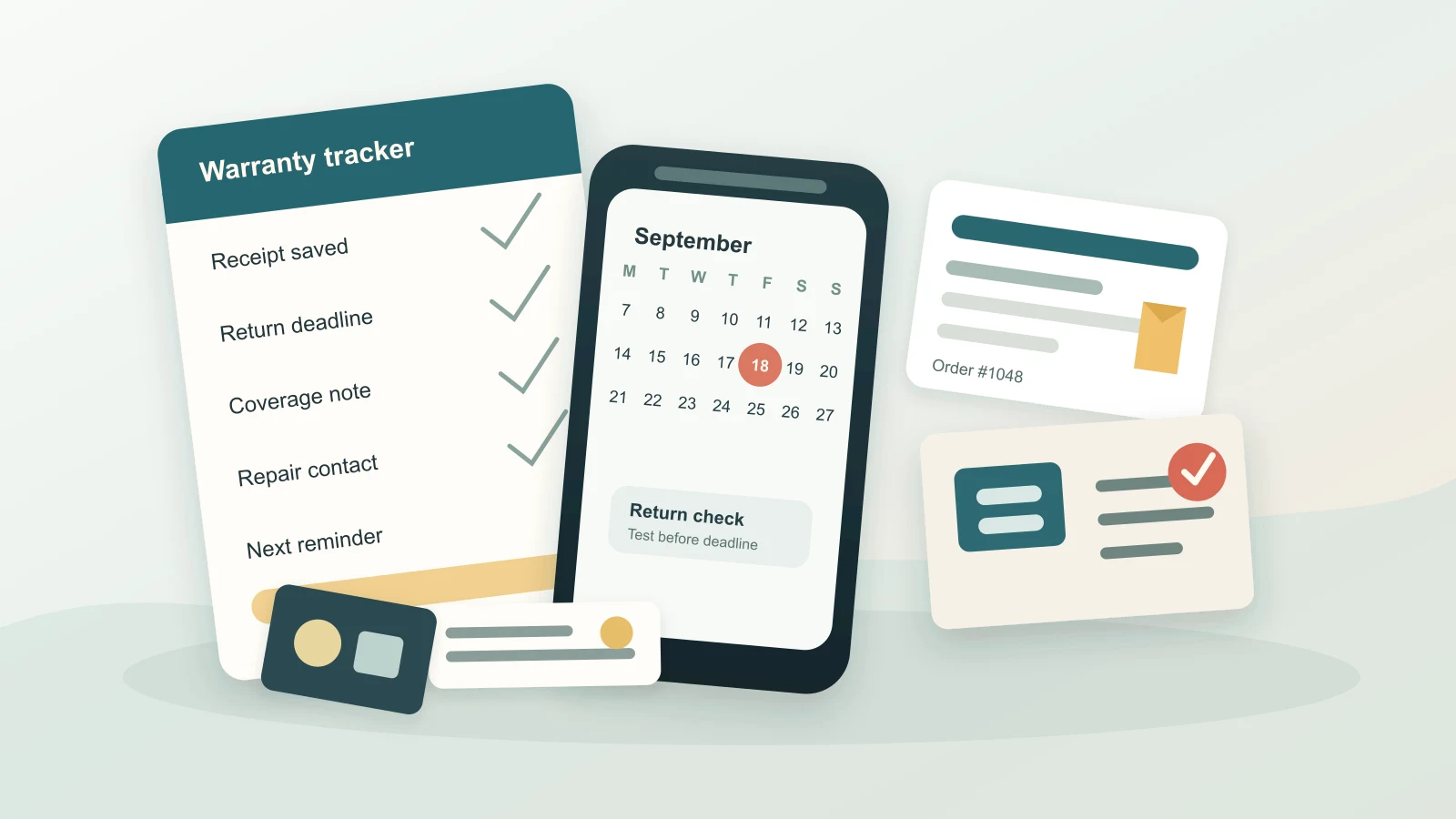
A warranty tracker budget helps you organize receipts, return windows, repair coverage, and replacement decisions before useful protection expires unnoticed.
Bill negotiation prep helps you review regular services, compare what you use, and make calmer calls before internet, phone, insurance, or membership costs renew.

An emergency cash plan helps you keep a small, useful backup for outages, lost cards, closed banks, and moments when digital payments do not work.
An allowance budget helps families give kids money practice, set clear spending limits, and protect the household budget from small surprise requests.

A beneficiary review checklist helps you keep retirement accounts, insurance policies, and payable-on-death instructions aligned with your current life.

A life insurance budget helps you compare coverage needs, premiums, beneficiaries, and cash flow before a policy becomes another confusing monthly bill.

A cost per use budget helps you compare price, usefulness, timing, and cash flow before a purchase becomes another regret in your monthly spending.

A credit card rewards budget helps you use points, miles, or cash back as a bonus instead of a reason to spend more than planned.
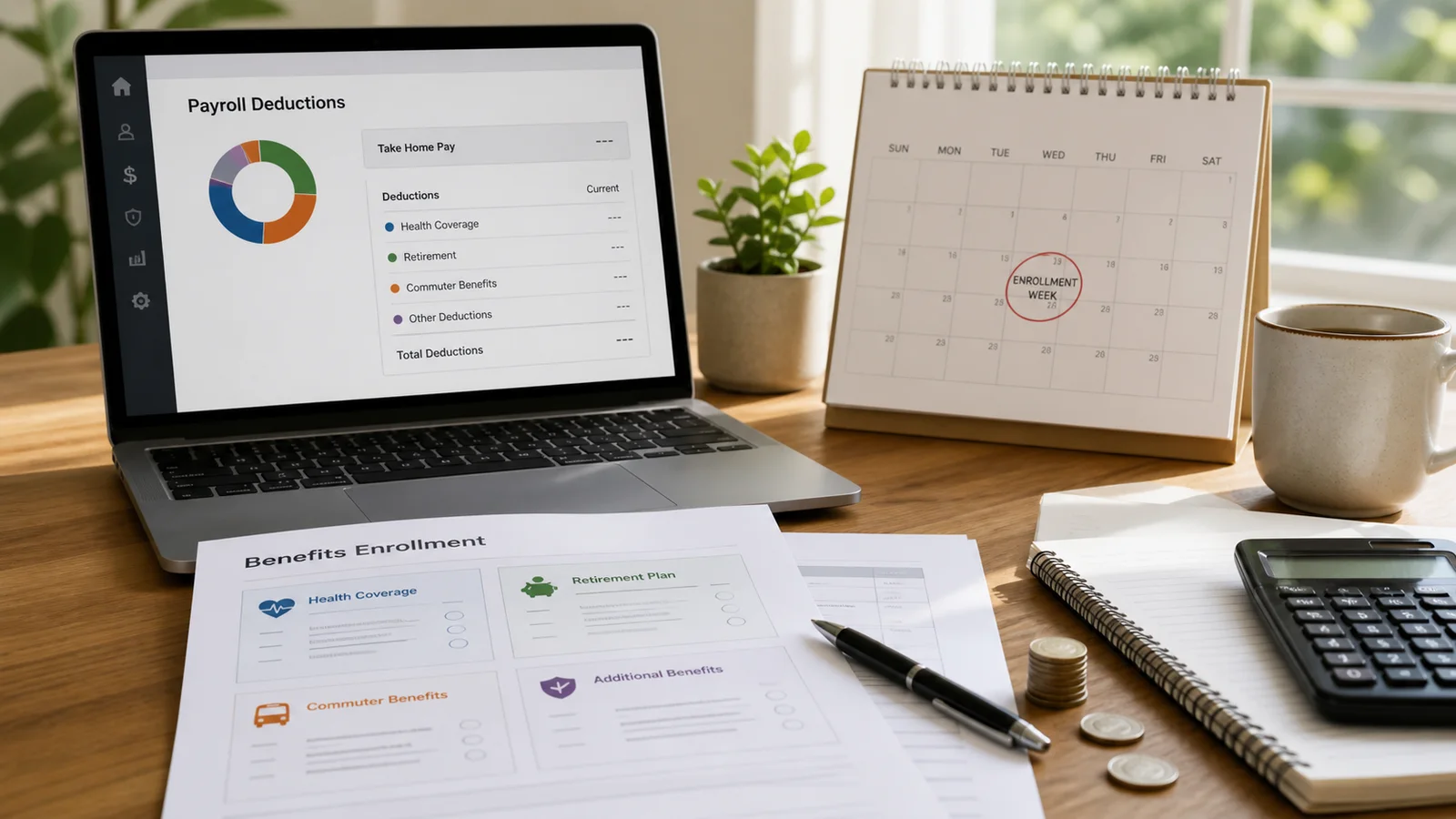
An employee benefits budget helps you compare paycheck deductions, coverage choices, retirement contributions, and work perks before enrollment changes your take-home pay.

Investment fees can quietly reduce long-term progress. Learn the common costs beginners should check before choosing an account, fund, or investing service.

A credit card statement review helps you catch fees, interest, due dates, payment traps, and spending patterns before your card balance starts steering the budget.

A job offer budget helps you compare salary, benefits, commute costs, pay timing, and lifestyle changes before a new role reshapes your money.
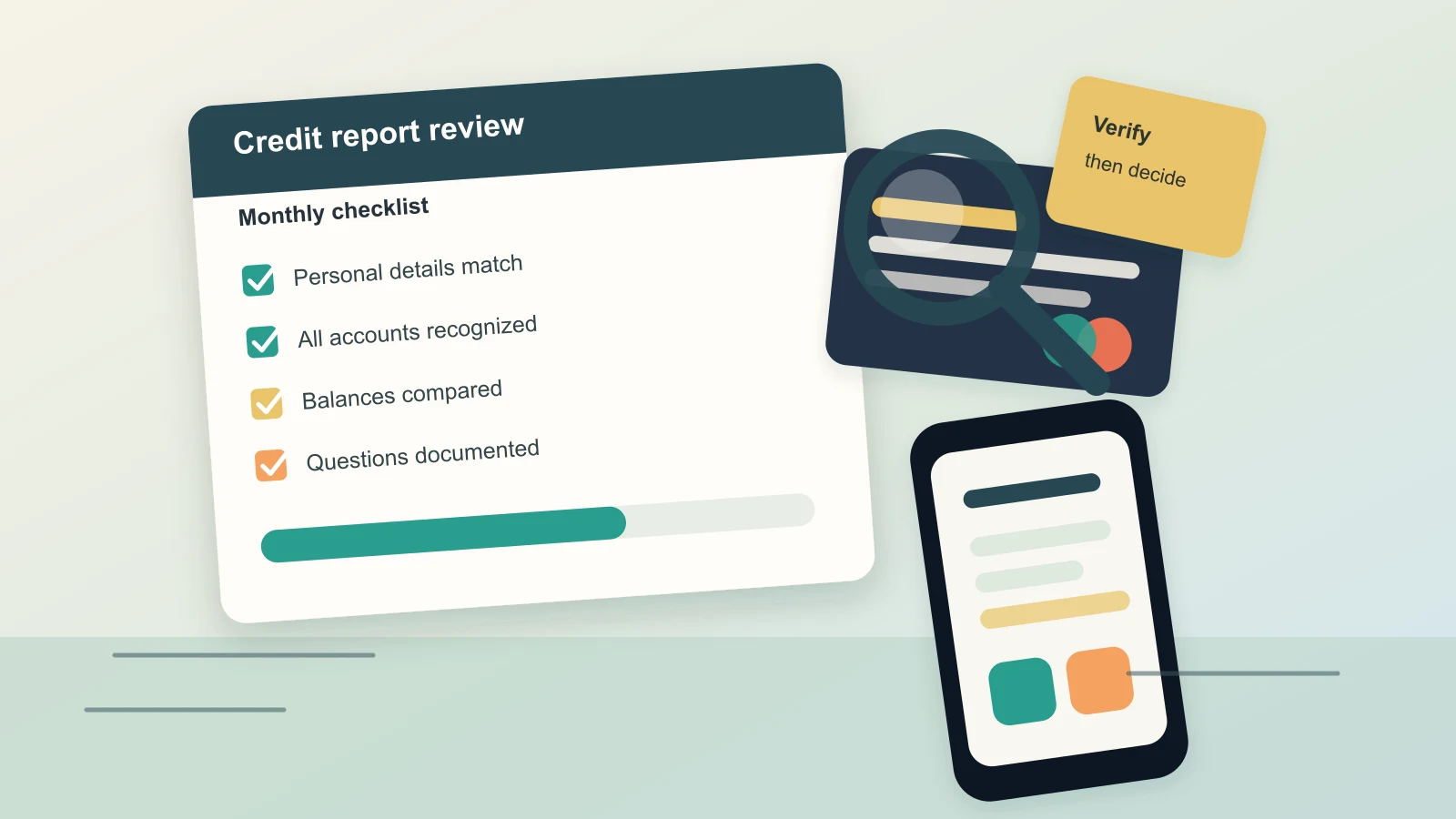
A credit report review routine helps you spot unfamiliar accounts, old balances, payment issues, and identity-warning signs before they become harder to fix.
A pay stub review helps you understand what actually reaches your account, spot deduction changes, and build a budget around real take-home pay.

A net worth tracker helps you see assets, debts, and long-term progress in one simple view so money decisions feel less scattered.

Debt snowball vs avalanche is a practical choice between quick wins and interest savings. Learn how to compare both methods and build a payoff plan around your real budget.
A bank fee audit helps you spot overdraft charges, ATM fees, account fees, and avoidable banking costs before they quietly crowd your monthly plan.

A digital envelope budget helps you give each spending category a clear limit while keeping cards, bank accounts, and payment apps easier to manage.

Investment risk tolerance is easier to understand when you connect it to your budget, timeline, emergency savings, and ability to stay calm through ups and downs.
A digital wallet budget helps you track tap-to-pay purchases, payment apps, transfers, and small mobile charges before they blur into one messy spending category.
A credit utilization budget helps you plan card spending around statement balances, payment timing, and everyday cash flow before debt feels crowded.

A roommate budget helps everyone see shared bills, personal spending, due dates, and repayment rules before small money issues turn awkward.

A financial document organizer helps you find bills, policy details, account notes, and receipts before a small money task becomes stressful.
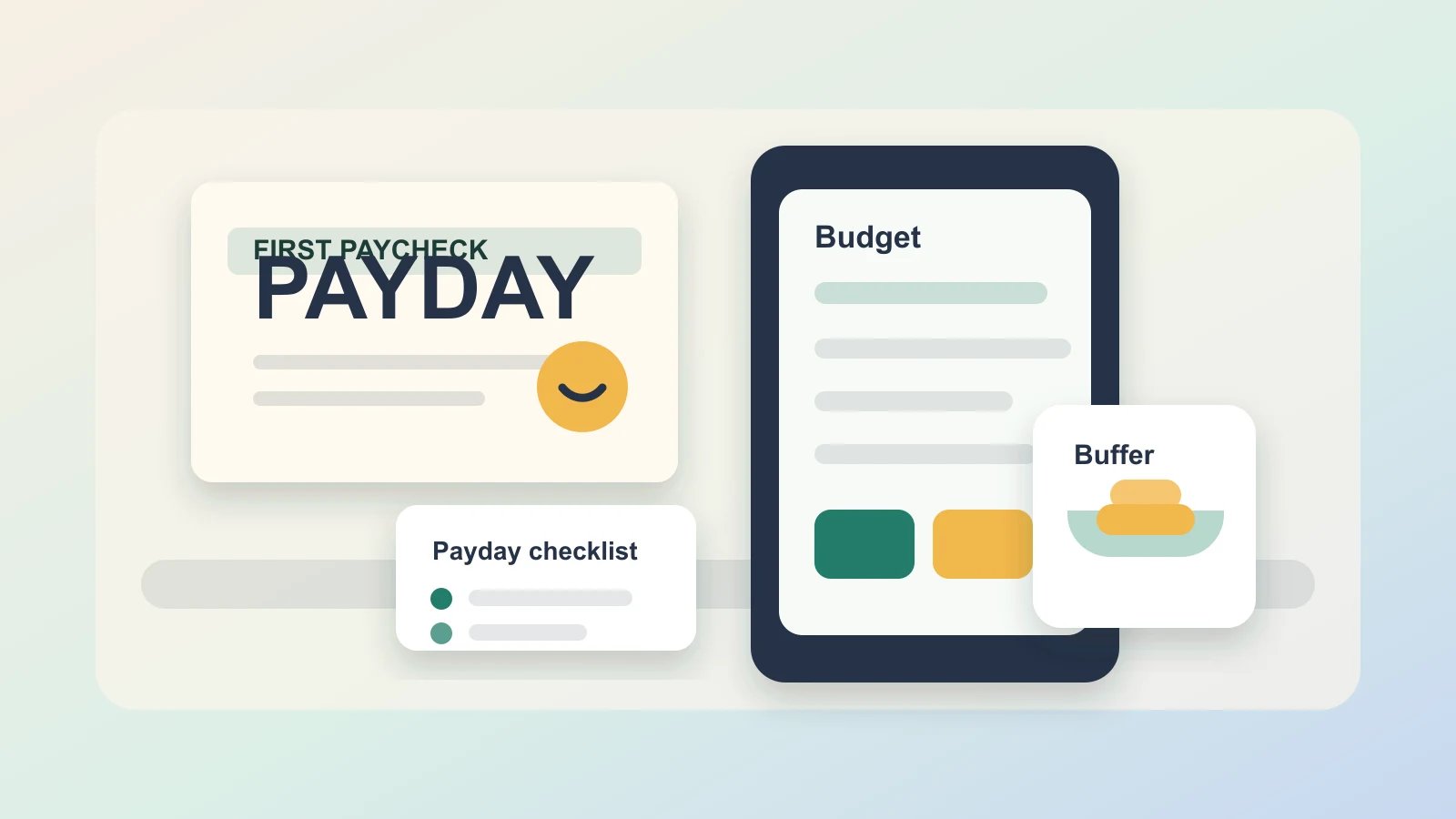
A first paycheck budget helps you turn new income into clear priorities before small upgrades quietly become permanent bills.
The 24-hour rule for spending gives you a simple pause between wanting something and buying it, so your budget has time to catch up with your impulses.

Charitable giving is an important part of maintaining a healthy society. Not only does it provide much-needed financial support for those in need, but it can also have a positive impact on the giver. This article will discuss the many benefits of charitable giving, both for the receiver and the giver.

Teaching kids the value of money is an important life skill that parents should be introducing from a young age. Teaching children about the basics of money and how to manage it can help them become responsible adults and make sound financial decisions. This guide provides tips for parents on how to teach their kids about money and the value of a dollar.

The banking industry is on the brink of major transformation. Technology is advancing at a rapid pace and is revolutionizing the banking experience. Banks are now moving away from traditional banking models and embracing the modern digital age, which is transforming the way customers interact with their banks.

Cryptocurrency is a digital asset designed to act as a medium of exchange. It is a decentralized form of digital money, which means that it does not require a bank or other financial institution to create and store the funds. Cryptocurrency is created through a process called "mining," which involves solving complex mathematical equations.

Real estate investing can be a great way to create wealth, but it can also be a complex and difficult process. This guide provides an overview of the basics of real estate investing for beginners, including advice on getting started, understanding market cycles, and building a portfolio.

A 529 plan is an investment savings plan that is specifically designed to help families save for college. This guide provides an overview of 529 plans and explains how they work, how to pick the right plan, and how to maximize their benefits.
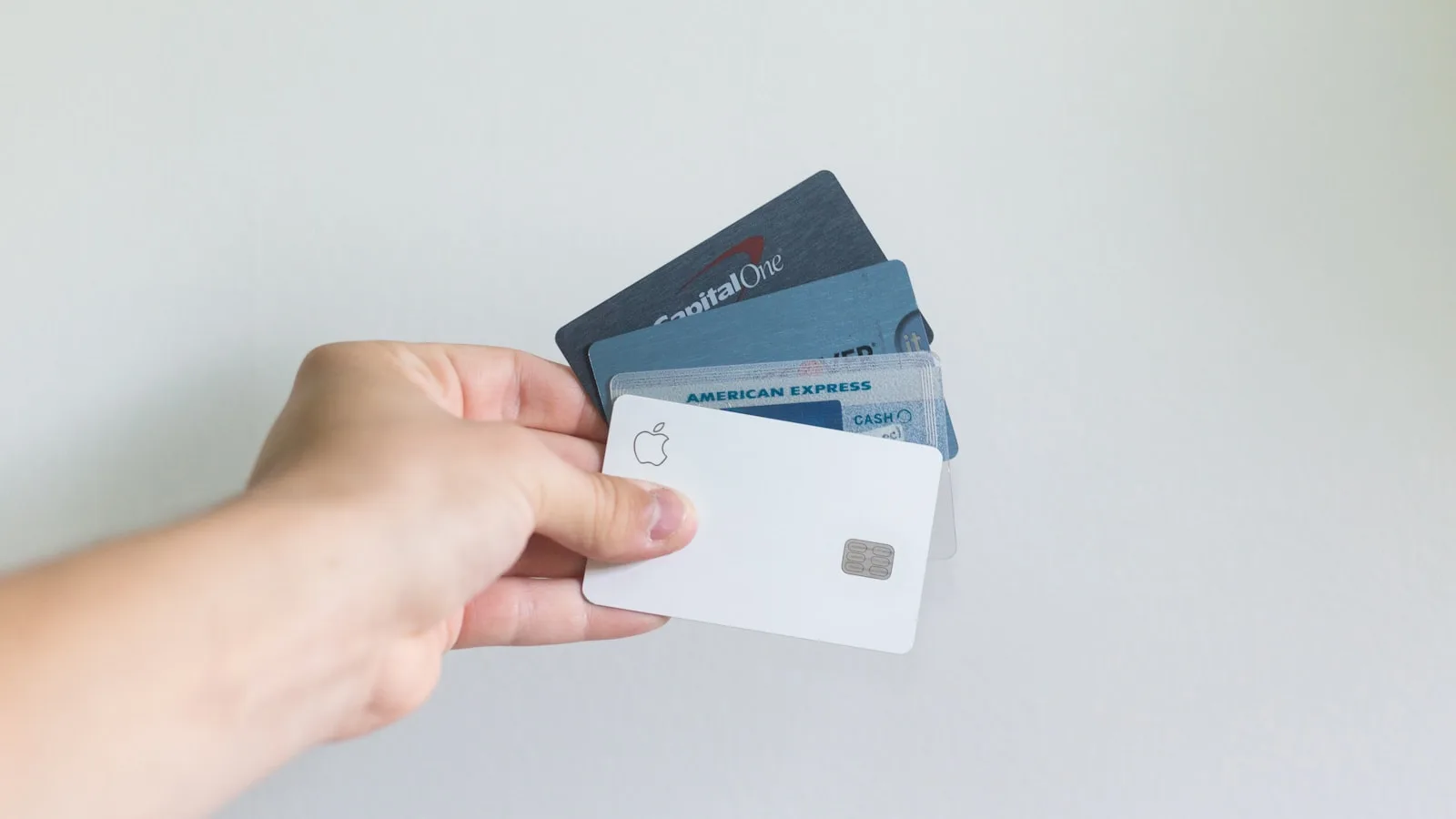
Your credit score is an important measure of your financial health. Understanding what factors impact your credit score, and taking proactive steps to improve and maintain a high credit score, can help you save money and open doors to financial opportunities. Having a high credit score is an important part of financial health.

FIRE" stands for Financial Independence Retire Early. It is a lifestyle goal of achieving financial independence and retiring early. This post will provide tips and strategies to help you on your journey to FIRE. Are you tired of the 9-5 grind? Do you want to gain financial freedom and retire early?

In this post, we will discuss how to build a strong credit score and avoid debt. We will provide tips on budgeting, using credit responsibly, and reducing spending. We will also discuss the dangers of debt and strategies for getting out of it. By following the advice in this post, you can improve your credit score and reduce debt.

Creating a budget and sticking to it can be a great way to pay off debt faster. This post will discuss the steps you need to take to create an effective budget and how you can use that budget to pay off debt.

Negotiating with creditors can be a stressful experience, but it doesn't have to be. Knowing the dos and don'ts of negotiating with creditors can help you get the best deal and save money. In this article, we'll discuss the dos and don'ts of negotiating with creditors so you can make informed decisions and get the best outcome.

Debt settlement" is a process of negotiating with creditors to reduce the amount you owe. While it can offer relief from overwhelming debt, it's important to understand the pros and cons of debt settlement before making a decision. Debt settlement can be a tricky business.

Managing your loans, whether they're for a car, home or other large purchase, is an important part of financial responsibility. However, it's easy to make mistakes that can cost you in the long run. Here are five of the most common mistakes to avoid when managing your loans.

Debt consolidation can be a great tool for getting your finances back on track. It can help you reduce your monthly payments and save on interest. But it can also have some risks. Before deciding if debt consolidation is right for you, consider both the benefits and risks.
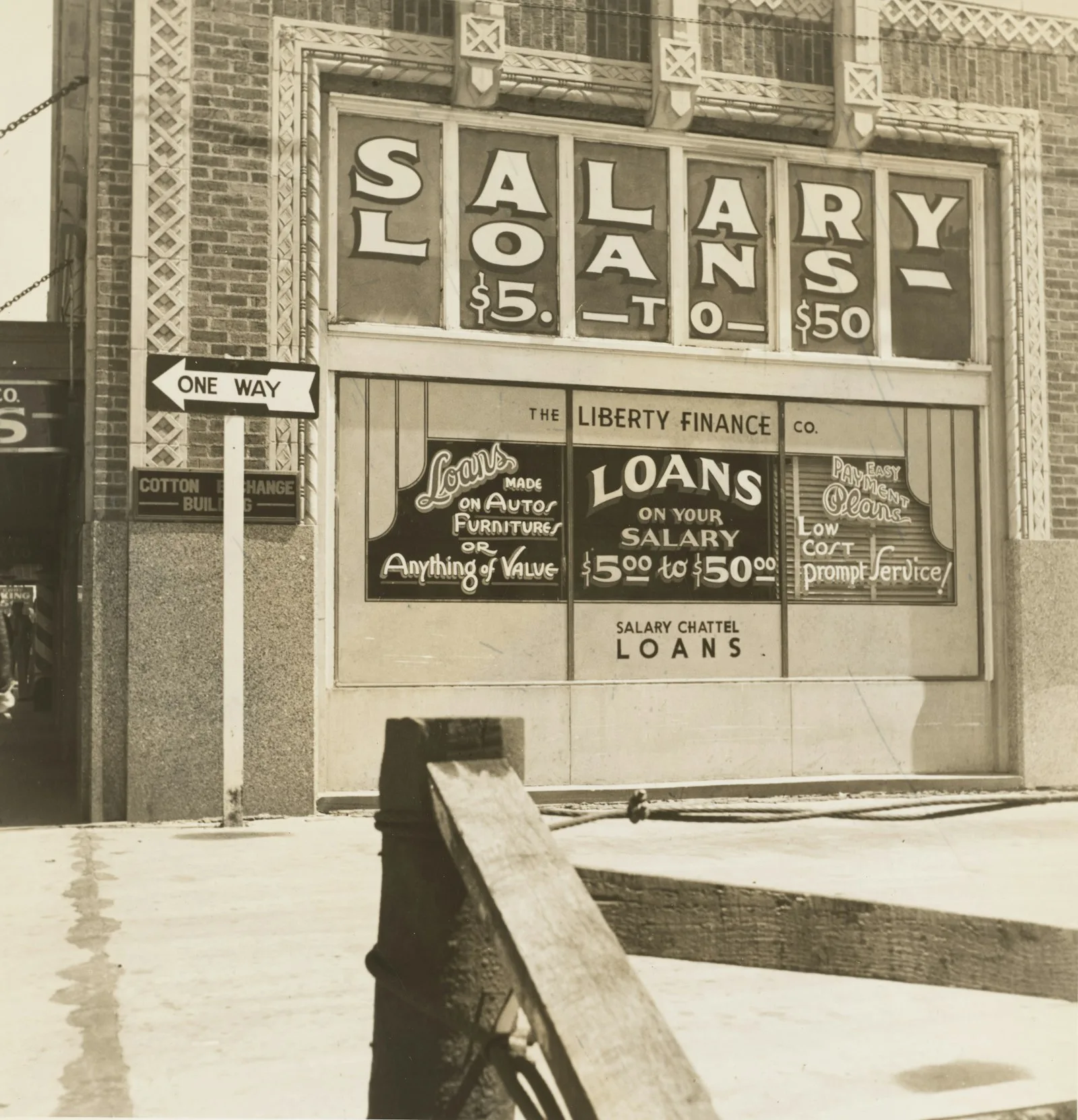
Debt consolidation is a popular way to manage multiple debts and lower your monthly payments. But it’s not always the best option for everyone. This guide will explain the pros and cons of debt consolidation, when it’s a good idea and when it’s not, and the best ways to go about it.
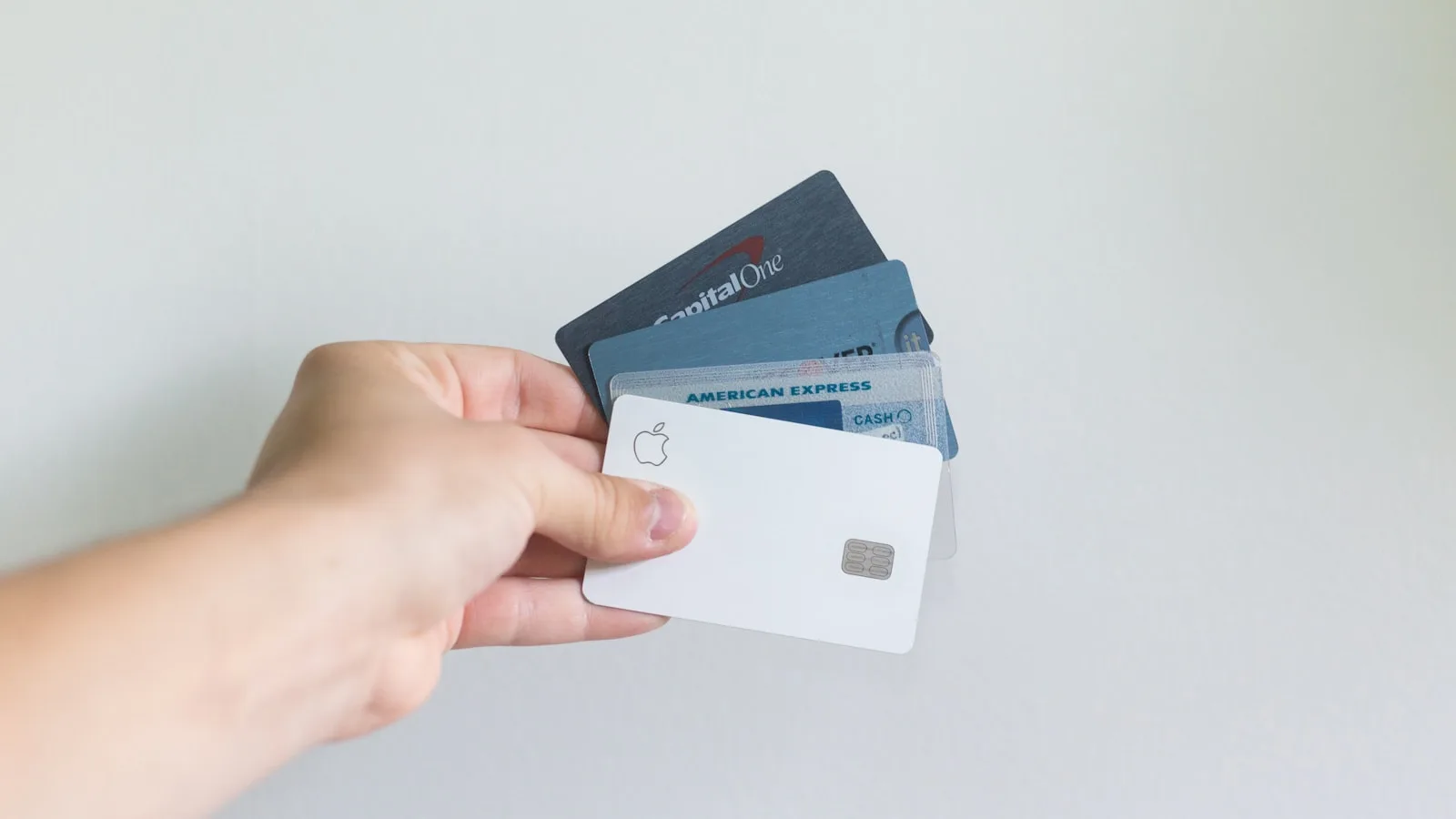
Debt 101" is an article that provides a breakdown of the various types of debt / loan, from secured loan to unsecured loan, and explains how each type of / loan works. The article also covers the consequences of not managing loan properly, such as bankruptcy and collection proceedings.
If you’re feeling overwhelmed by debt, you’re not alone. Many people struggle with debt and lack the knowledge to reduce it in a sustainable way. Here are five tips to help you manage and reduce your debt.

This article discusses the pros and cons of selling or renting out a home. It also provides an overview of the factors you should consider when deciding between these two options. When you’re looking to move, you have two main options: sell your house or rent it out.